
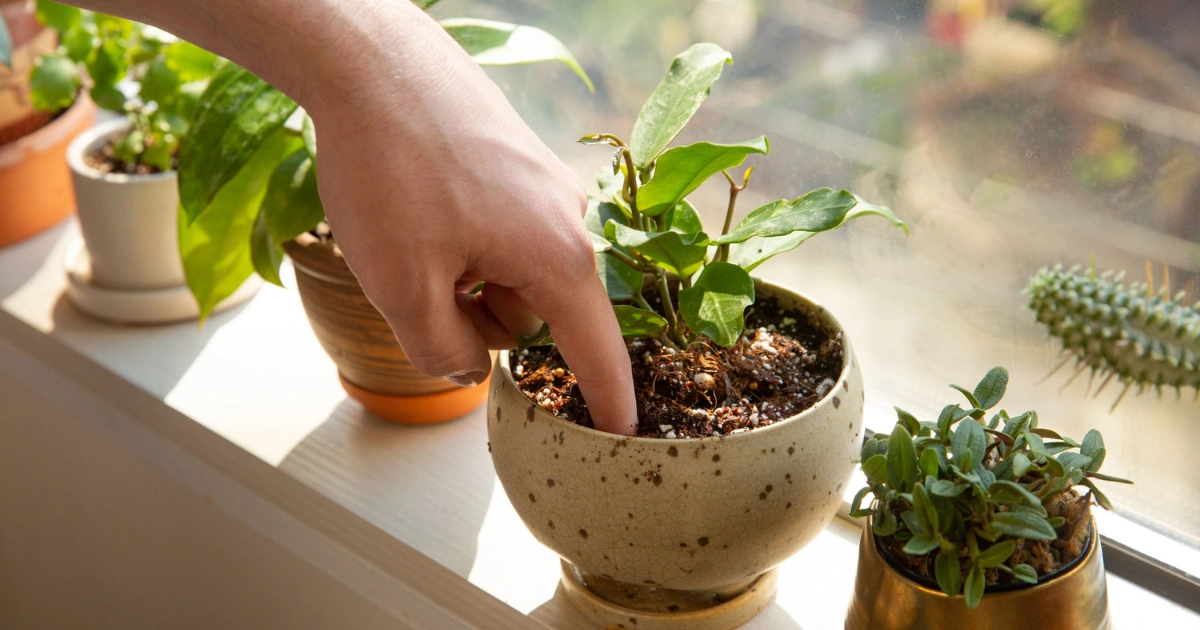
One of the most common reasons houseplants struggle indoors is improper watering. Some plants suffer from dry soil, while many others decline because they receive too much water. Understanding how often different houseplants need moisture is essential for healthy roots, strong growth, and long-lasting indoor greenery.
There is no single watering schedule that works for every plant. Factors such as light exposure, humidity, pot size, soil type, and season all influence how quickly soil dries out. However, grouping plants by general watering frequency can help indoor gardeners build healthier routines and avoid common mistakes.
This guide explains how often popular houseplants typically need watering and how to recognize the signs of both overwatering and underwatering.
Why Proper Watering Matters
Water supports nearly every function inside a plant.
Healthy Watering Helps Plants
- Transport nutrients
- Maintain leaf structure
- Support root development
- Encourage new growth
- Prevent stress
Too much or too little water can weaken plants over time.
Houseplants That Usually Need Water Once a Week
Many tropical houseplants prefer lightly moist soil and benefit from weekly watering under normal indoor conditions.
Common Weekly-Watering Plants
Examples include:
- Spider Plant
- Boston Fern
- Peace Lily
- Pothos
- Dracaena
- Calathea
- Tradescantia
- Anthurium
- Ficus
- Begonia
- Schefflera
- Peperomia
Why These Plants Need More Frequent Watering
These plants often come from humid environments and prefer soil that stays slightly moist rather than completely dry.
Spider Plant
Spider plants are beginner-friendly and adaptable.
Watering Needs
They generally prefer:
- Slightly moist soil
- Moderate humidity
- Consistent watering
Allowing the top layer of soil to dry slightly between waterings helps prevent root problems.
Peace Lily
Peace lilies are famous for visibly drooping when thirsty.
Signs It Needs Water
- Drooping leaves
- Dry soil surface
- Reduced vigor
Peace lilies typically recover quickly after watering.
Boston Fern
Boston ferns prefer humid conditions and steady moisture.
Important Tip
Fern soil should not dry out completely for long periods.
Dry indoor air can quickly stress ferns, especially during winter heating seasons.
Plants That Often Need Water Every Two Weeks
Some indoor plants prefer moderate drying between waterings.
Common Biweekly-Watering Plants
- Monstera Adansonii
- Philodendron Birkin
- Pilea
- Hoya
- Syngonium
- Dieffenbachia
- Indoor Palm
These plants often tolerate mild drying better than moisture-loving tropical species.
Monstera Adansonii
Monsteras prefer moist but not soggy soil.
Watering Advice
Water when:
- The top few centimeters of soil feel dry
- Leaves begin slightly curling
- Growth slows during warm months
Good drainage is essential.
Hoya Plants
Hoyas store some moisture in their thick leaves.
Why They Need Less Frequent Watering
Their semi-succulent nature allows them to tolerate short dry periods better than many tropical plants.
Overwatering is a common issue with Hoyas.
Plants That Often Need Water Once a Month
Some hardy indoor plants prefer drying out almost completely between waterings.
Common Monthly-Watering Plants
- ZZ Plant
- Cast Iron Plant
- Lucky Bamboo
- Snake Plant
- Aglaonema
- Dracaena Marginata
- Yucca
These species are often excellent choices for beginners.
Snake Plant
Snake plants are among the most drought-tolerant houseplants.
Common Watering Mistake
Overwatering causes more damage than underwatering.
Snake plants prefer:
- Dry soil
- Bright indirect light
- Minimal moisture during winter
ZZ Plant
ZZ plants are extremely resilient indoor plants.
Why They Tolerate Dry Conditions
Their underground rhizomes store water efficiently, allowing them to survive occasional neglect.
Succulents and Cacti
Succulents and cacti require the least frequent watering of most indoor plants.
Popular Low-Water Plants
- Cactus
- Aloe Vera
- Haworthia
- Echeveria
- Gasteria
- String of Pearls
- Mixed Succulents
Why Succulents Need Less Water
These plants evolved in dry climates and store moisture in their leaves, stems, or roots.
Aloe Vera
Aloe vera is highly sensitive to excess moisture.
Best Watering Method
Allow soil to dry almost completely before watering thoroughly.
Containers must have excellent drainage.
String of Pearls
String of Pearls is a trailing succulent known for its bead-like foliage.
Watering Needs
This plant prefers:
- Bright light
- Dry conditions
- Minimal watering
Soggy soil can quickly cause root rot.
How Seasons Affect Watering Frequency
Indoor plants rarely need the same amount of water year-round.
Seasonal Changes Matter
Plants often need:
- More water during spring and summer
- Less water during winter dormancy
Cool temperatures and lower light reduce moisture usage.
Signs of Overwatering
Overwatering is one of the most common causes of houseplant decline.
Warning Signs Include
- Yellow leaves
- Mushy stems
- Fungus gnats
- Root rot smell
- Wilting despite wet soil
Constantly wet soil deprives roots of oxygen.
Signs of Underwatering
Dry plants show stress differently.
Common Symptoms
- Crispy leaf edges
- Drooping
- Curling leaves
- Dry compact soil
- Slow growth
Some plants recover quickly once watered properly.
Why Pot Size Changes Watering Needs
Larger pots retain moisture longer than smaller containers.
Other Important Factors
Watering frequency also depends on:
- Soil type
- Drainage holes
- Indoor humidity
- Air circulation
- Sunlight intensity
No watering chart replaces observing the actual soil.
The Best Way to Check Soil Moisture
Experienced plant owners often avoid strict schedules.
Better Method
Check soil manually by:
- Touching the top soil layer
- Using a moisture meter
- Lifting pots to feel weight differences
Dry topsoil does not always mean the root zone is dry.
Should You Mist Houseplants?
Some tropical plants appreciate extra humidity, but misting alone is often insufficient.
Better Humidity Solutions
- Pebble trays
- Humidifiers
- Grouping plants together
High-humidity species like Calatheas and ferns benefit most.
FAQ
How often should I water indoor plants?
It depends on the species, light conditions, humidity, and season. Some need weekly watering, while succulents may need water only monthly.
What is the biggest watering mistake?
Overwatering is the most common problem for indoor plants.
Can I follow a strict watering schedule?
General schedules help, but checking soil moisture is more reliable than watering by calendar alone.
Why are my plant leaves turning yellow?
Yellow leaves often indicate excess water, poor drainage, or root stress.
Do plants need less water in winter?
Yes. Most houseplants grow more slowly during winter and use less moisture.
Final Thoughts
Proper watering is one of the most important skills in indoor gardening. While some houseplants thrive with consistent weekly moisture, others prefer long dry periods between waterings. Understanding each plant’s natural habitat helps explain why tropical ferns, pothos, and peace lilies need more frequent watering than snake plants, succulents, or cacti.
Instead of relying entirely on rigid schedules, successful indoor gardeners observe soil moisture, lighting conditions, seasonal changes, and plant behavior. With careful attention and balanced watering habits, houseplants can remain healthy, vibrant, and productive for many years.
Suggested Internal Links for secretsofthegreengarden.com
- Best Low-Maintenance Houseplants for Beginners
- How to Prevent Root Rot in Indoor Plants
- Easy Indoor Plants That Thrive in Low Light