
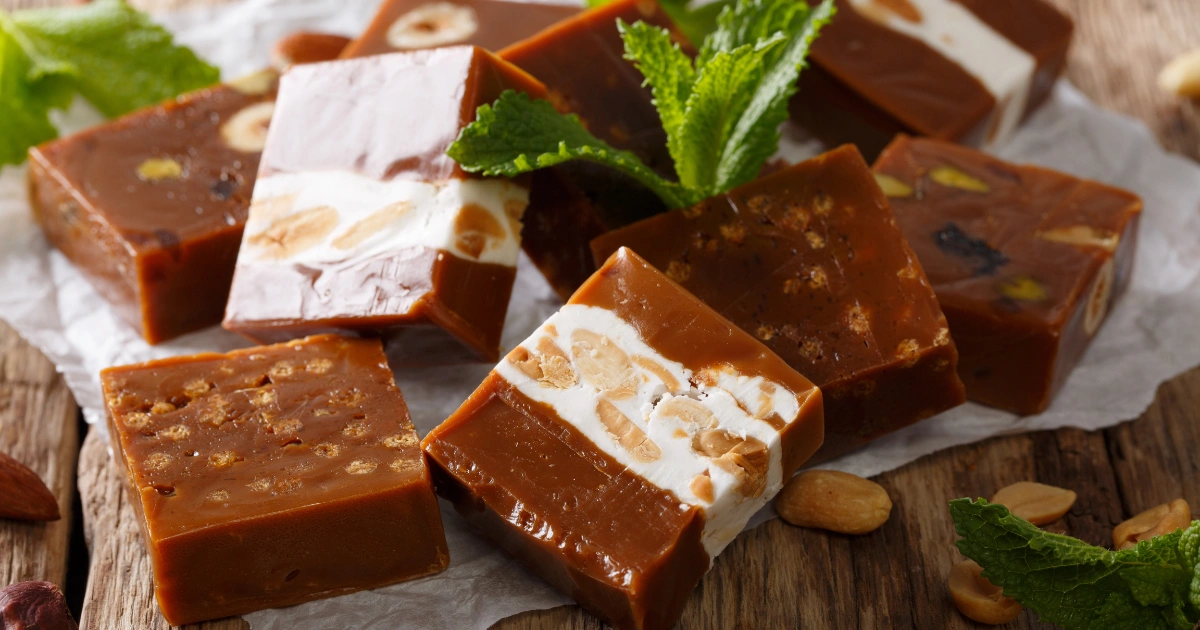
Many desserts and candies use rich brown sugar flavors that people often confuse with one another. Caramel, toffee, and butterscotch may appear similar at first glance, but each has its own ingredients, cooking method, texture, and flavor profile.
Understanding the difference between these classic sweet treats can help home bakers improve recipes, choose the right ingredient for desserts, and avoid common cooking mistakes. Whether you are making cookies, sauces, candies, or cakes, knowing how caramel, toffee, and butterscotch work can completely change the final result.
Why People Confuse Caramel, Toffee, and Butterscotch
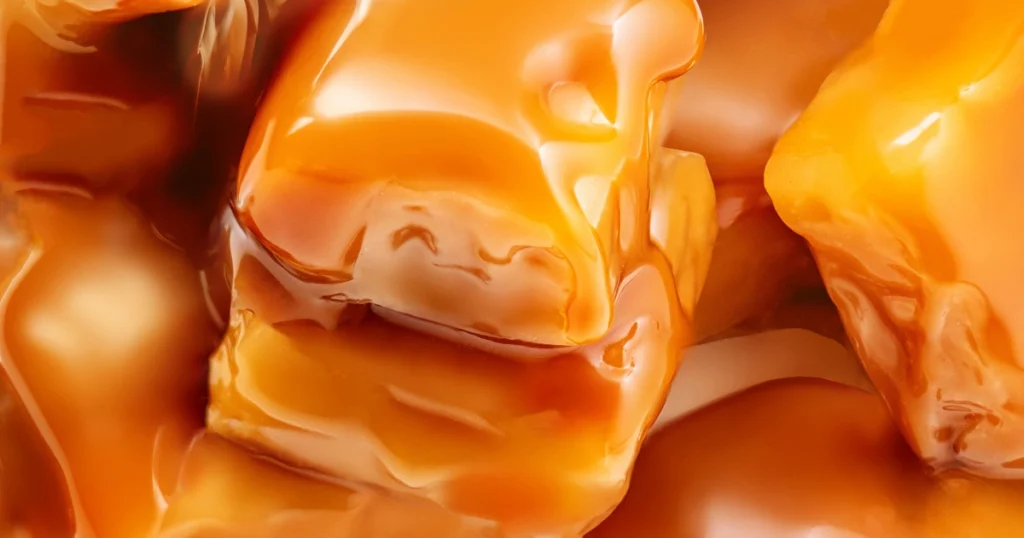
All three are:
- Made with sugar and butter
- Cooked at high temperatures
- Golden to deep brown in color
- Rich and sweet in flavor
However, the similarities stop there. The cooking temperature, sugar type, and added dairy create major differences in:
- Texture
- Flavor intensity
- Color
- Brittleness
- Moisture content
What Is Caramel?
Caramel Explained
Caramel is created when white granulated sugar is heated until it breaks down and browns through a process called caramelization.
This process creates:
- Nutty notes
- Toasted flavors
- Deep sweetness
- Golden brown color
Cream and butter are often added afterward to create caramel sauce.
How Caramel Is Made
Traditional caramel usually involves:
- White sugar
- Heat
- Cream
- Butter
The sugar melts first before dairy is incorporated.
Typical Caramel Temperature
Caramel is commonly cooked between:
- 320°F to 340°F
- 160°C to 170°C
This stage produces smooth caramel suitable for:
- Sauces
- Candy fillings
- Flan
- Ice cream toppings
Flavor Profile of Caramel
Caramel has:
- Rich sweetness
- Slight bitterness
- Toasted sugar notes
- Smooth buttery finish
The darker the caramel becomes, the deeper and slightly more bitter the flavor.
Common Uses for Caramel
Caramel appears in:
- Caramel sauce
- Crème caramel
- Candy bars
- Coffee drinks
- Cheesecake toppings
- Popcorn coatings
What Is Toffee?
Toffee Explained
Toffee is made by boiling sugar and butter together to a much higher temperature than caramel.
Unlike caramel:
- The butter cooks with the sugar from the beginning
- The mixture reaches the hard crack stage
- The final texture becomes crunchy and brittle
How Toffee Is Made
Traditional toffee recipes contain:
- Sugar
- Butter
- Sometimes nuts or chocolate
Some recipes use brown sugar, while others use white sugar.
Typical Toffee Temperature
Toffee is cooked to:
- 300°F to 310°F
- 149°C to 154°C
This creates the classic crisp snap associated with hard candy.
Flavor Profile of Toffee
Toffee tastes:
- Deeply buttery
- Toasted
- Slightly nutty
- Rich and concentrated
Because of the higher cooking temperature, it develops more intense cooked sugar flavors than caramel.
Common Uses for Toffee
Toffee is popular in:
- English toffee
- Chocolate bark
- Candy bars
- Cookies
- Ice cream mix-ins
What Is Butterscotch?
Butterscotch Explained
Butterscotch is traditionally made with brown sugar and butter. The molasses in brown sugar gives butterscotch its signature warm flavor.
Unlike caramel:
- Brown sugar is essential
- The cooking temperature is lower
- The flavor is softer and creamier
How Butterscotch Is Made
Classic butterscotch recipes usually include:
- Brown sugar
- Butter
- Cream
- Vanilla
The ingredients cook together gently until thickened.
Typical Butterscotch Temperature
Butterscotch is commonly cooked between:
- 270°F to 290°F
- 132°C to 143°C
This lower temperature helps preserve its smooth texture.
Flavor Profile of Butterscotch
Butterscotch tastes:
- Creamy
- Warm
- Buttery
- Slightly molasses-like
The brown sugar creates a softer, richer sweetness compared to caramel.
Common Uses for Butterscotch
Popular uses include:
- Butterscotch pudding
- Dessert sauces
- Cookies
- Blondies
- Candies
- Pie fillings
The Science Behind the Differences
Sugar Type Matters
The type of sugar changes both flavor and texture.
White Sugar
Used mainly in:
- Caramel
- Some toffee recipes
Produces:
- Cleaner sweetness
- Pure caramelized flavor
Brown Sugar
Used mainly in:
- Butterscotch
- Some toffee recipes
Produces:
- Deeper flavor
- Molasses notes
- Softer sweetness
Cooking Temperature Changes Everything
Temperature determines:
- Texture
- Moisture content
- Brittleness
- Flavor concentration
Lower Temperatures
Result in:
- Soft sauces
- Creamier textures
- More moisture
Higher Temperatures
Result in:
- Crunchy candy
- Hard crack texture
- Strong toasted flavor
Texture Comparison
Caramel
- Soft
- Chewy
- Smooth
Toffee
- Hard
- Brittle
- Crunchy
Butterscotch
- Creamy
- Thick
- Velvety
Common Cooking Mistakes
Burning the Sugar
Sugar can go from golden to burnt very quickly.
Stirring Too Aggressively
This may cause crystallization.
Using High Heat
Rapid heating often creates uneven cooking.
Incorrect Temperature
Without a thermometer, textures become unpredictable.
Best Tools for Candy Making
Helpful equipment includes:
- Candy thermometer
- Heavy-bottom saucepan
- Silicone spatula
- Heat-resistant gloves
A thermometer is especially important for accuracy.
How the Maillard Reaction Affects Flavor
The Maillard reaction occurs when proteins and sugars react under heat.
This creates:
- Complex flavor compounds
- Nutty aromas
- Rich brown color
It plays a larger role in:
- Toffee
- Butterscotch
Pure caramelization dominates traditional caramel.
Which One Is Best for Baking?
Use Caramel For:
- Drizzles
- Sauces
- Cheesecakes
- Flans
Use Toffee For:
- Crunch
- Candy
- Cookie mix-ins
Use Butterscotch For:
- Soft desserts
- Puddings
- Frostings
- Warm dessert sauces
Storage Tips
Caramel
Store refrigerated in airtight containers.
Toffee
Keep dry to prevent stickiness.
Butterscotch
Refrigerate and reheat gently before serving.
Frequently Asked Questions
Is caramel the same as butterscotch?
No. Caramel uses white sugar, while butterscotch traditionally uses brown sugar.
Why is toffee crunchy?
Toffee is cooked to a higher temperature, reaching the hard crack stage.
Can you make caramel without cream?
Yes. Basic caramel only requires sugar and heat.
Does butterscotch taste like caramel?
They are similar, but butterscotch has a warmer, molasses-rich flavor because of brown sugar.
Why did my caramel become grainy?
Grainy caramel usually happens when sugar crystals form during cooking.
Final Thoughts
Caramel, toffee, and butterscotch may share similar ingredients, but they are distinctly different creations shaped by sugar type, cooking method, and temperature. Caramel offers smooth richness, toffee delivers crisp buttery crunch, and butterscotch provides creamy brown sugar warmth.
Understanding these differences allows home cooks and bakers to choose the right flavor and texture for every dessert. Whether you are preparing candy, cookies, sauces, or cakes, mastering these classic sweet preparations can elevate your cooking and improve recipe results.