
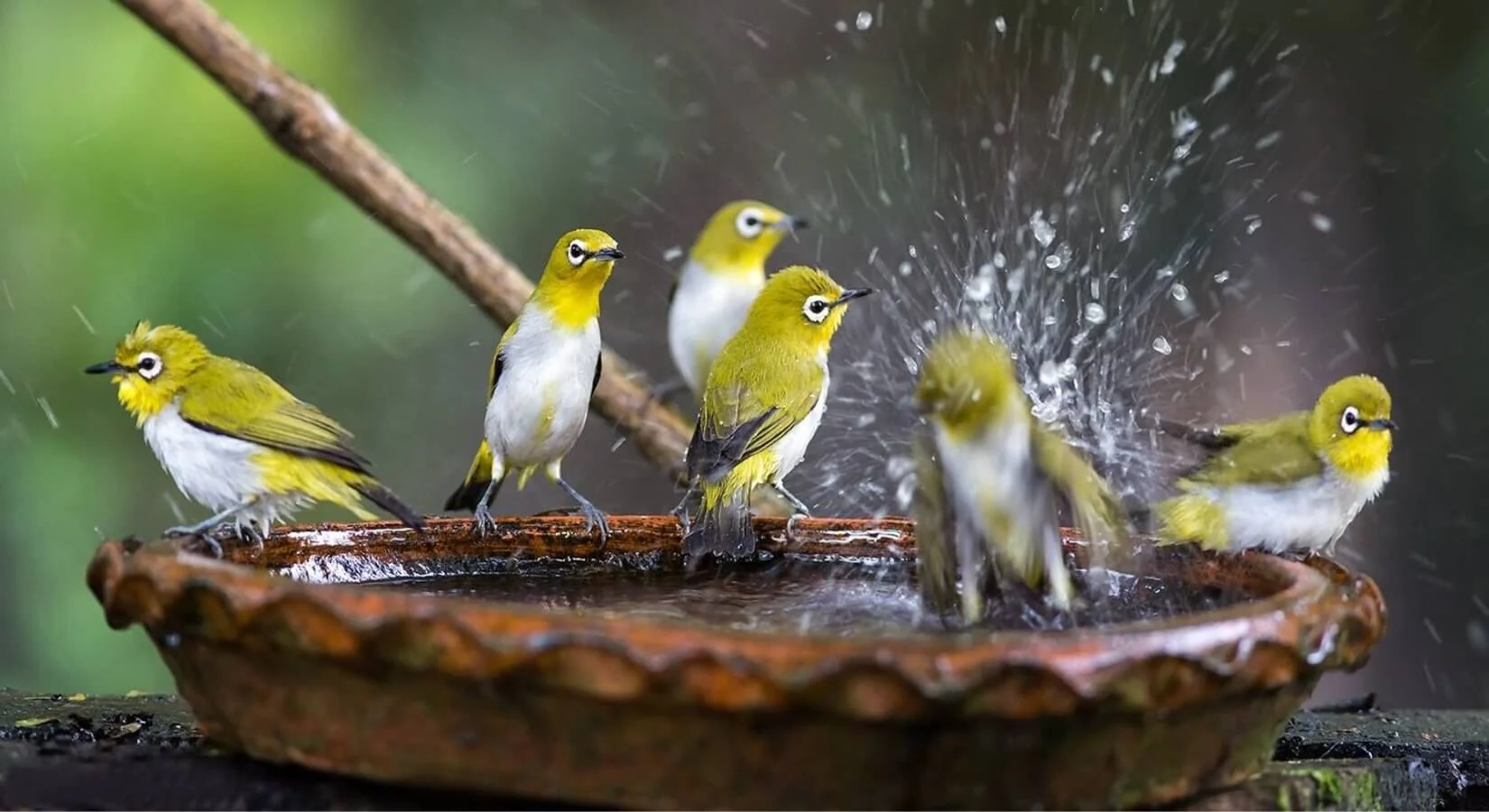
A bird bath for the garden can attract visitors that may completely ignore traditional seed feeders. Food preferences vary enormously between bird species, but virtually all birds depend on water in some form, whether obtained by drinking directly or through their natural diet.
Providing a clean, shallow source of water therefore makes a garden useful to a much wider range of wildlife. Insect-eating birds, fruit specialists and species that rarely visit feeders may still investigate a safe place to drink or bathe.
Better still, creating one does not require an expensive ornamental bird bath. A shallow container, sensible placement and regular cleaning are enough to get started.
Why Water Can Attract Birds That Feeders Miss
Seed feeders naturally favor species that are comfortable eating seeds, grains or nuts. Many other garden birds have completely different diets.
Depending on where you live, insect-eating birds, thrushes and other fruit- or invertebrate-feeding species may show little interest in a feeder filled with sunflower seeds. Some obtain much of their moisture from food as well, but accessible fresh water can still provide an additional resource.
A garden water source for birds can therefore complement feeders rather than replace them.
This is particularly valuable if your goal is to create a wildlife-friendly garden instead of simply attracting common feeder species.
Why Birds Need Water
Birds do not have sweat glands like humans. They regulate body temperature through several physiological and behavioral mechanisms, including respiratory heat loss, seeking shade and adjusting their activity.
Their exact drinking requirements vary by species, diet, climate and season. A bird eating juicy fruit or insects may obtain considerable moisture from food, while birds consuming relatively dry foods may need to drink more frequently.
For gardeners, the practical lesson is straightforward: providing reliable fresh water for wild birds gives them another safe resource, particularly during hot or dry conditions.
Bird Bathing Helps Maintain Healthy Feathers
A bird bath is useful for more than drinking.
Birds devote substantial time to maintaining their plumage. Bathing can help remove dirt and loosen debris before preening, when birds carefully arrange their feathers and distribute oils from the preen gland in species that possess a well-developed one.
Good feather condition matters because plumage plays several important roles, including:
- insulation
- waterproofing in many species
- aerodynamic performance
- protection of the skin
Watching a bird splash vigorously may look playful, but bathing is also part of normal plumage maintenance.
How to Set Up a Bird Bath for the Garden
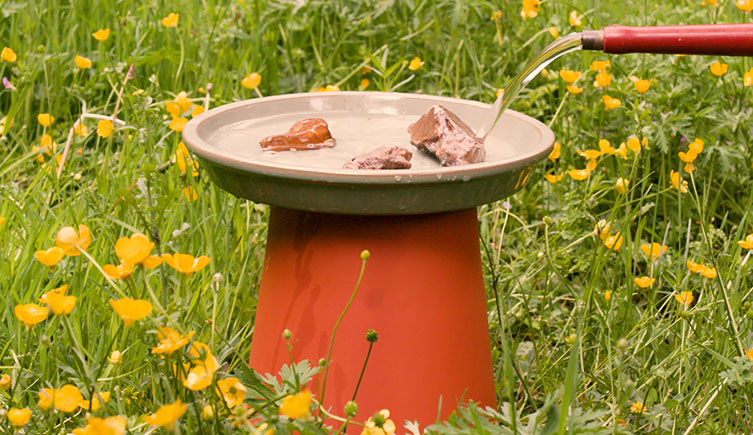
You do not need an elaborate fountain. In many gardens, a wide plant saucer or similarly shallow container can work well.
Keep the Water Shallow
Small birds generally prefer shallow water where they can stand comfortably.
Rather than creating a deep basin with steep sides, provide a gradual, secure area. If an existing container is deeper than ideal, stones can create shallower sections and places for birds to stand.
Provide Secure Footing
Very smooth surfaces can be difficult for birds to grip.
A textured basin is useful, while clean stones or pebbles can provide additional footing. Make sure anything added is stable and cannot trap a small bird.
Consider Moving Water
Gentle movement can make water easier for birds to notice. A dripper, bubbler or small fountain may increase the visibility and sound of the water source.
Moving water may also make the basin less suitable for mosquitoes, but it should not be treated as complete mosquito control. Regularly emptying, cleaning and replacing the water remains important.
Give Birds an Escape Route
Birds often prefer water sources with vegetation nearby because shrubs and trees provide somewhere to retreat if danger appears.
However, placing the bath immediately beside dense ground-level vegetation can give outdoor cats or other predators a hiding place. Aim for a location that provides nearby cover while maintaining good visibility around the basin.
Keeping a Bird Bath Clean
Cleanliness is one of the most important parts of maintaining a safe bird bath.
Feathers, droppings, leaves and other organic material can quickly accumulate in standing water. During warm weather, algae can develop as well.
Replace the water regularly and clean the container whenever it becomes dirty. Avoid allowing old water and organic debris to remain for long periods.
If unusually high numbers of sick or dead birds are being reported locally, follow recommendations from the relevant wildlife or veterinary authorities concerning feeders and bird baths.
Providing Water for Birds in Winter
Winter can make accessible liquid water difficult to find in regions where ponds, puddles and other shallow sources regularly freeze.
Birds have several natural ways of obtaining moisture. Some can eat snow, while others obtain water from food or locate unfrozen streams and other water sources. However, a dependable source of liquid water can still be useful during prolonged freezing weather.
A heated bird bath designed for outdoor use can prevent water from freezing. Alternatively, an outdoor-rated bird-bath heater may be suitable when used exactly according to the manufacturer’s safety instructions.
Never add salt, antifreeze or other chemicals to keep a bird bath from freezing.
For Portugal and other regions with relatively mild winters, freezing conditions vary considerably by altitude and location. The greater priority in many gardens will be keeping water available and clean during hot, dry periods.
A Simple Wildlife-Friendly Upgrade
Creating a bird-friendly garden does not have to begin with expensive feeders or elaborate landscaping.
Start with a shallow container filled with clean water. Position it where birds have good visibility and access to nearby shelter, then maintain it consistently.
Combine the water source with native vegetation, reduced pesticide use and varied plant structure, and the garden becomes useful not only to familiar feeder birds but also to insect-eating and fruit-eating species.
A simple bird bath for the garden can therefore be one small component of a much richer habitat.
FAQ
What is the best depth for a bird bath?
Shallow water with gradual access is generally preferable for small garden birds. Stones can provide secure standing areas if part of the basin is deeper.
Where should a bird bath be placed?
Choose a visible location with some natural cover nearby. Avoid positioning it directly beside dense hiding places that could allow cats to approach unnoticed.
How often should bird bath water be changed?
Replace it regularly and immediately whenever it becomes visibly dirty. Hot weather, heavy bird activity and falling vegetation can make more frequent maintenance necessary.
Does moving water attract more birds?
A dripper or gentle fountain can make water more noticeable through movement and sound. Individual species respond differently, so moving water is helpful but not essential.
Should birds have water during winter?
Where natural water regularly freezes, maintaining an unfrozen source can be beneficial. Any heater or heated bird bath should be specifically designed and rated for outdoor use.
SEO Information
Main keyword: bird bath for the garden
LSI/NLP keywords used: fresh water for wild birds, garden water source for birds, safe bird bath, heated bird bath, bird-friendly garden, attracting garden birds, bird bathing, wildlife-friendly garden
Internal Link Suggestions from TesourosdoJardim.com
- Corujas-das-torres no inverno — useful for connecting the article to seasonal support for wild birds.
- Cantinho “desarrumado” para polinizadores — relevant when discussing creating a broader wildlife-friendly garden.
- Cagarra: regresso noturno e vida no ninho — suitable for readers interested in learning more about Portuguese bird ecology.
External Link Suggestions
Cornell Lab of Ornithology – All About Birds — reliable species identification, behavior and natural-history information.
BirdLife International – Bird conservation and habitat guidance — authoritative information about bird ecology and conservation.
RSPB – Helping birds with water and bird baths — practical guidance on providing water safely for garden birds.