
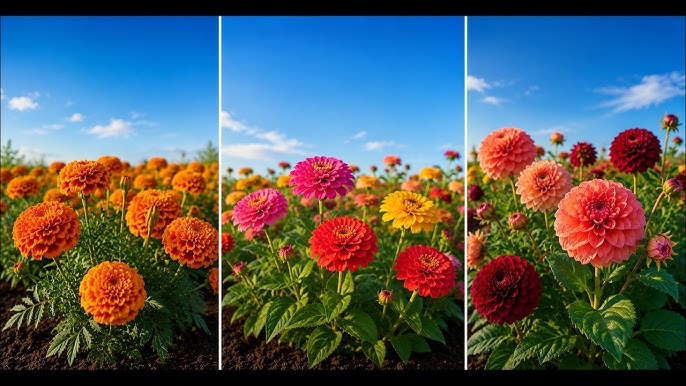
August may feel like the end of the gardening season, but for many flowers, it can be the beginning of next year’s display. Flowers to sow in August include hardy annuals and biennials that can establish before winter and return with vigorous growth when temperatures rise.
The exact timing depends on your climate. Gardeners in mild regions can often sow directly outdoors, while those facing severe winters may need to start certain seeds in a protected location or wait for another suitable sowing window.
The key is choosing flowers suited to your growing conditions rather than treating August planting as a one-size-fits-all rule.
Why Sow Flower Seeds in August?
Late summer offers warm soil that can encourage relatively fast germination. Once seedlings become established, cooler autumn temperatures can help hardy plants develop without the intense heat of midsummer.
The Royal Horticultural Society recommends sowing hardy annuals toward the end of August in suitable climates so they can overwinter and flower the following season.
Biennials work somewhat differently. Many spend their first growing period developing leaves and roots before producing flowers the following year. Foxgloves, wallflowers, honesty, Sweet William, and forget-me-nots are familiar examples of plants commonly grown this way.
10 Flowers to Sow in August
1. Larkspur
Larkspur (Consolida species) produces tall flower spikes that bring vertical structure to cottage gardens and cut-flower beds.
It prefers sunny conditions and well-drained soil. Because larkspur generally dislikes root disturbance, direct sowing can be preferable where climate conditions permit.
In regions with harsh winters, autumn-sown seedlings may require protection, making local planting recommendations particularly important.
2. Cornflower
Cornflowers (Centaurea cyanus), also known as bachelor’s buttons, are hardy annuals valued for their distinctive blue flowers, although pink, purple, and white cultivars are also available.
Choose a sunny location with well-drained soil. Penn State Extension specifically lists bachelor’s buttons among flowers that can be sown in August for blooms the following season.
3. Shirley Poppy
Shirley poppies are forms of Papaver rhoeas known for delicate, papery flowers in shades ranging from red and pink to white.
Poppies are generally best direct-sown because their developing roots dislike transplantation. Scatter seeds thinly over prepared soil and avoid burying them deeply.
In climates where autumn sowing is appropriate, seedlings can establish before winter and resume development as conditions improve.
4. Love-in-a-Mist
Love-in-a-mist (Nigella damascena) combines finely divided foliage with distinctive blue, white, pink, or purple flowers.
It prefers sunshine and free-draining soil. The decorative seed heads are another attraction, making nigella valuable long after flowering has finished.
It is also capable of self-seeding when conditions are favorable.
5. Foxglove
Foxgloves (Digitalis) are excellent choices for woodland-style gardens and partially shaded borders.
Many common foxgloves are biennials. They initially develop leafy rosettes before sending up their characteristic flower spikes the following year. The RHS notes that foxgloves can be propagated from seed, with some varieties suitable for August or September sowing.

Important: Foxgloves are toxic if eaten, so consider their placement carefully in gardens used by children or pets.
6. Sweet William
Sweet William (Dianthus barbatus) produces dense clusters of flowers in combinations of red, pink, white, and other shades.
It is commonly treated as a biennial, making summer sowing useful for establishing plants that can flower the following year.
Provide good drainage and plenty of light. Once established, the plants work especially well along border edges and in traditional cottage-garden planting schemes.
7. Honesty
Honesty (Lunaria annua) is grown for both its flowers and its distinctive translucent seed pods.
It is commonly cultivated as a biennial, developing vegetative growth before flowering. It performs well in many garden situations and can be particularly attractive in informal or wildlife-friendly borders.
Allowing some seed pods to mature can encourage future generations of plants.
8. California Poppy
California poppy (Eschscholzia californica) thrives in sunny, well-drained locations and is especially suited to relatively dry conditions.
In mild-winter climates, late-summer or autumn establishment can work well. In colder regions, spring sowing may be more reliable.
Avoid rich, heavily fertilized soil. California poppies generally perform best in leaner conditions with excellent drainage.
9. Wallflower
Wallflowers (Erysimum species and hybrids) provide richly colored flowers that can complement spring bulbs beautifully.
Traditional bedding wallflowers are often grown as biennials. Seeds are started ahead of their flowering season, allowing plants to establish before producing their main display.
Give them a bright location and well-drained soil. In colder climates, choose hardy varieties and follow locally appropriate overwintering advice.
10. Forget-Me-Not
Forget-me-nots (Myosotis sylvatica) are excellent for creating informal carpets of small blue flowers beneath taller spring plants.
They are particularly useful around shrubs and in lightly shaded areas where the soil remains reasonably moist. Forget-me-nots often self-seed, which explains why established patches can appear to return year after year.
They pair particularly well with spring bulbs, helping cover otherwise bare soil.
How to Get Better Results From August Sowing
Before planting flowers to sow in August, remove weeds and loosen the upper layer of soil. Water dry ground before sowing rather than placing seeds into extremely hot, dusty soil.
For better establishment:
- Follow the seed packet’s recommended sowing depth.
- Keep the seedbed consistently moist during germination.
- Protect young seedlings from slugs and snails where necessary.
- Thin overcrowded seedlings once they become established.
- Avoid excessive nitrogen fertilizer, which can encourage foliage at the expense of flowers.
- Check local frost dates before relying on outdoor overwintering.
USDA hardiness zones describe average minimum winter temperatures, but they do not tell the whole story. Summer heat, rainfall, winter moisture, elevation, and local microclimates can also determine whether August sowing succeeds.
Frequently Asked Questions
Is August too late to sow flower seeds?
No. Certain hardy annuals and biennials can be sown during late summer, although suitable species and timing depend on local climate conditions.
What flower seeds can be planted in August?
Potential choices include cornflowers, poppies, love-in-a-mist, foxgloves, Sweet William, honesty, wallflowers, and forget-me-nots. Some are better suited to mild winters than extremely cold regions.
Will flowers planted in August bloom the same year?
Usually not when the goal is overwintering. Hardy annuals may establish before winter and flower the following season, while many biennials concentrate on roots and foliage before flowering later.
Can I sow directly into the garden in August?
Yes, for species suited to direct sowing and where local conditions are appropriate. Poppies and larkspur are particularly useful candidates because they generally prefer minimal root disturbance.
Do August seedlings need winter protection?
That depends on the plant and climate. Hardy seedlings may overwinter outdoors successfully, while severe freezes, waterlogged soil, or exposed conditions can damage less-established plants.
Final Thoughts
August does not have to signal the end of seed sowing. With careful plant selection, it can become an important month for preparing next year’s flower garden.
Hardy annuals can establish roots before winter, while biennials use the extra growing time to prepare for future flowering. Match each species to your local climate, keep newly sown beds adequately moist, and avoid assuming that hardiness zones alone determine planting success.
A small amount of work in late summer can reward you with a garden already prepared to burst into color when the next growing season arrives.
SEO Information
Main keyword: flowers to sow in August
LSI/NLP keywords used: August flower seeds, flowers for spring blooms, hardy annuals, biennial flowers, autumn sowing, direct sowing flower seeds, spring flowering plants, late summer planting
Internal Link Suggestions from Tesouros do Jardim
- How to Collect and Save Flower Seeds — use when discussing saving seeds from established flowers.
- How to Create a Pollinator-Friendly Garden — suitable for the section about flowering plants that benefit insects.
- How to Prepare Garden Beds for Autumn — relevant when explaining soil preparation before late-summer sowing.
External Link Suggestions
Royal Horticultural Society – August Flower Gardening Advice — authoritative seasonal guidance on sowing hardy annuals.
Penn State Extension – August Garden Tasks — university extension guidance that includes late-summer flower sowing.
Royal Horticultural Society – Growing Annuals and Biennials — useful reference for understanding annual and biennial flower life cycles.