
Introduction
A tomato plant suddenly wilts in the middle of a hot afternoon. Hydrangea leaves droop dramatically despite moist soil. Pepper plants stop producing flowers, lettuce bolts unexpectedly, and cucumbers begin dropping tiny fruits.
For many gardeners, these symptoms immediately suggest disease, nutrient deficiency, or a lack of water. Fertilizer is applied, fungicides are sprayed, or even more water is added. Yet in many cases, none of these treatments addresses the real problem.
The culprit is often heat stress.
As global temperatures rise and heatwaves become more frequent in many regions, heat stress has become one of the most common challenges facing home gardeners. Unlike drought stress, which is caused primarily by insufficient water, heat stress occurs when temperatures exceed a plant’s ability to maintain normal physiological processes—even when adequate moisture is available.
Recognizing the difference is essential. Misdiagnosing heat stress can lead to unnecessary watering, excessive fertilization, or inappropriate pesticide applications that waste time, money, and sometimes make plant health even worse.
What Is Heat Stress?
Heat stress occurs when air and tissue temperatures rise beyond the range a plant can comfortably tolerate.
Every plant species has an optimal temperature range for:
- Photosynthesis.
- Water uptake.
- Root growth.
- Flower production.
- Fruit development.
- Respiration.
Once temperatures exceed those limits, the plant begins activating survival mechanisms rather than focusing on growth.
Some crops tolerate temperatures above 95°F (35°C) relatively well, while cool-season vegetables may experience stress at much lower temperatures.
Why High Temperatures Affect Plants
Plants constantly balance two essential processes:
- Capturing sunlight for photosynthesis.
- Losing water through tiny pores called stomata.
Under moderate conditions, these processes work efficiently together.
During extreme heat, however, plants face a difficult choice.
They can:
- Keep stomata open to cool themselves through transpiration.
- Close stomata to conserve water.
Closing stomata reduces water loss but also limits carbon dioxide entering the leaves, slowing photosynthesis and reducing growth.
This is why plants may appear healthy after watering yet continue growing slowly during prolonged heat.
The Most Common Signs of Heat Stress
Heat stress often produces symptoms that resemble other gardening problems.
Afternoon Wilting
Perhaps the most common symptom is temporary wilting during the hottest part of the day.
Many gardeners assume this means immediate watering is necessary.
However, if plants recover naturally during the evening while the soil remains moist, the problem is often heat rather than drought.
Temporary wilting helps reduce leaf exposure and water loss during extreme temperatures.
Leaf Curling
Leaves may curl inward or upward.
This reduces the amount of sunlight reaching the leaf surface and decreases moisture loss.
Tomatoes frequently display this response during hot weather.
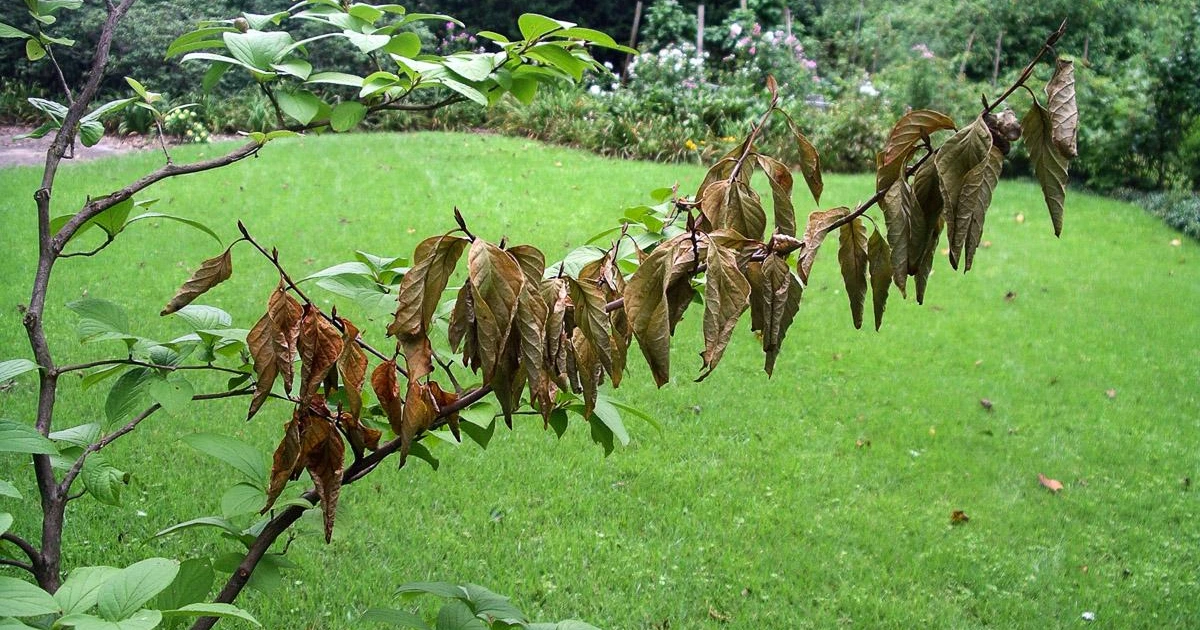
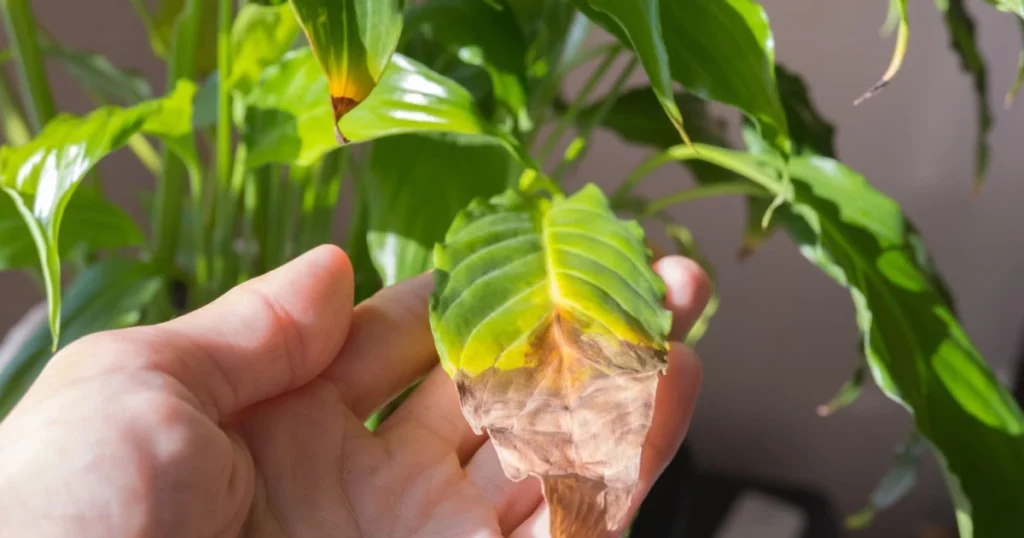
Leaf Scorch
Leaf margins may become:
- Brown.
- Crispy.
- Dry.
Unlike many fungal diseases, heat scorch often appears first on the most exposed leaves receiving intense afternoon sun.
Yellowing Leaves
Heat stress may accelerate aging in older foliage.
Lower leaves sometimes yellow as the plant reallocates resources toward younger tissues.
This differs from many nutrient deficiencies, which usually follow characteristic patterns related to specific nutrients.
Flower Drop
One of the most frustrating consequences of heat stress occurs before fruit even develops.
Many vegetables—including tomatoes, peppers, and beans—may produce healthy flowers that simply fall off.
This happens because high temperatures interfere with successful pollination and fertilization.
For tomatoes, daytime temperatures consistently above approximately 90–95°F (32–35°C), combined with warm nighttime temperatures, can significantly reduce fruit set.
Fruit Problems
Even after pollination, extreme heat may affect developing fruit.
Possible symptoms include:
- Sunscald.
- Blossom drop.
- Poor fruit set.
- Small fruit.
- Misshapen fruit.
- Premature fruit drop.
These problems often occur despite otherwise healthy plants.
Why Heat Stress Is Often Misdiagnosed
Several common plant problems produce similar symptoms.
Mistaken for Underwatering
Wilting naturally suggests dry soil.
Before watering, check moisture several inches below the surface.
If soil remains adequately moist, additional irrigation may provide little benefit.
Mistaken for Nutrient Deficiency
Yellow leaves often prompt fertilizer applications.
However, nutrients cannot overcome temperatures that exceed the plant’s physiological limits.
Overfertilizing during heat may increase plant stress.
Mistaken for Disease
Leaf scorch sometimes resembles fungal infections.
Unlike disease, heat damage often appears suddenly across many unrelated plant species immediately following extremely hot weather.
How Heat Affects Photosynthesis
Photosynthesis becomes less efficient as temperatures rise beyond the plant’s optimum range.
High temperatures may:
- Slow carbon fixation.
- Increase respiration.
- Reduce sugar production.
- Lower growth rates.
In severe cases, proteins involved in photosynthesis begin losing efficiency, limiting the plant’s ability to produce energy.
Root Systems Also Suffer
Heat does not affect only the leaves.
Soil temperatures can become extremely high, particularly in containers or raised beds exposed to full sun.
Excessively warm soils may:
- Reduce root growth.
- Decrease water uptake.
- Alter microbial activity.
- Increase moisture loss.
Mulch helps moderate soil temperatures while conserving moisture.
Which Plants Are Most Vulnerable?
Some crops struggle more than others.
Cool-season vegetables include:
- Lettuce.
- Spinach.
- Peas.
- Broccoli.
- Cabbage.
These often experience heat stress quickly.
Warm-season crops generally tolerate higher temperatures.
Examples include:
- Tomatoes.
- Peppers.
- Eggplants.
- Okra.
- Sweet potatoes.
Even these plants, however, have upper temperature limits beyond which flowering and fruit production decline.
Container Plants Face Greater Risk
Plants growing in containers often experience heat stress sooner than those planted directly in the ground.
Containers:
- Heat up rapidly.
- Dry faster.
- Restrict root expansion.
- Experience larger temperature fluctuations.
Dark-colored containers may become especially hot under direct summer sunlight.
How to Help Heat-Stressed Plants
The goal is not to cool plants dramatically but to reduce additional stress.
Water Deeply
Provide thorough watering early in the morning.
Deep irrigation encourages stronger root systems while minimizing evaporation.
Avoid frequent shallow watering.
Apply Mulch
Organic mulch helps:
- Reduce soil temperature.
- Retain moisture.
- Suppress weeds.
- Improve soil health over time.
A layer of 2–3 inches is sufficient for most gardens.
Provide Temporary Shade
During severe heatwaves, shade cloth can reduce leaf temperatures.
Shade levels around 30–50% are commonly used for many vegetables during extreme conditions.
Delay Fertilization
Plants under severe heat stress are not actively growing at their normal rate.
Heavy fertilizer applications rarely solve the problem and may increase stress.
Resume regular feeding once temperatures moderate.
Should You Mist Leaves?
Light misting provides only temporary cooling.
In humid climates, prolonged leaf wetness may even increase the risk of certain fungal diseases.
Cooling the root zone through proper irrigation is generally more effective than repeatedly misting foliage.
Preventing Heat Stress
Planning ahead greatly reduces damage.
Helpful strategies include:
- Plant heat-sensitive crops early.
- Choose heat-tolerant varieties.
- Mulch heavily.
- Improve soil organic matter.
- Install drip irrigation.
- Use shade cloth during heatwaves.
- Maintain healthy soil biology.
Healthy plants generally tolerate stress better than weak plants.
Practical Tips
- Water early in the morning whenever possible.
- Check soil moisture before watering wilted plants.
- Mulch exposed soil to reduce heat.
- Protect container plants during heatwaves.
- Delay heavy fertilization until temperatures improve.
- Observe whether plants recover naturally in the evening before assuming disease.
Common Mistakes
Watering Repeatedly Without Checking Soil
Excess water cannot eliminate heat stress and may reduce root oxygen.
Applying Fertilizer During Heatwaves
Plants rarely benefit from heavy feeding while under severe heat stress.
Removing Wilted Leaves Immediately
Temporary wilting often reverses naturally as temperatures fall.
Assuming Every Brown Leaf Indicates Disease
Heat scorch often appears after periods of extreme sunlight and high temperatures without any pathogen being involved.
Frequently Asked Questions
How can I tell the difference between heat stress and underwatering?
Check the soil. If it remains moist several inches below the surface and the plant recovers in the evening, heat stress is the more likely cause.
Should I fertilize heat-stressed plants?
Generally, no. Wait until temperatures become more moderate and active growth resumes before applying significant amounts of fertilizer.
Can plants recover from heat stress?
Yes. Many plants recover well once temperatures moderate, provided roots remain healthy and adequate moisture is available.
Does mulching really reduce heat stress?
Yes. Organic mulch helps keep soil cooler, conserves moisture, and creates more stable conditions for roots.
Which vegetables tolerate heat best?
Okra, sweet potatoes, eggplants, peppers, and many warm-season crops generally tolerate higher temperatures better than lettuce, spinach, broccoli, or peas.
Conclusion
Heat stress is one of the most misunderstood problems in the garden because its symptoms closely resemble drought, nutrient deficiencies, and disease. Wilting, leaf scorch, yellowing, flower drop, and slow growth often trigger well-intentioned treatments that fail to solve the underlying issue.
The key is to observe both the plant and the environment. A wilted plant growing in moist soil during a 100°F afternoon is telling a different story than one wilting because it hasn’t been watered for days. By learning to recognize the distinctive signs of heat stress, gardeners can respond appropriately—protecting roots, conserving moisture, providing temporary shade, and avoiding unnecessary fertilizers or pesticides.
In an era of increasingly frequent heatwaves, understanding how plants respond to high temperatures is becoming just as important as knowing how to water, feed, or prune them. Sometimes the healthiest response isn’t doing more—it’s recognizing that the plant is simply waiting for cooler weather.
Internal Linking
Learn why August feeding requires a different approach during late summer:
https://secretsofthegreengarden.com/august-garden-feeding/
Discover how buried clay pots reduce water loss during hot weather:
https://secretsofthegreengarden.com/olla-irrigation-clay-pot-watering/
Improve your soil so it retains more moisture during heatwaves:
https://secretsofthegreengarden.com/why-not-leave-bare-soil-winter/
Choose vegetables that thrive even in challenging growing conditions:
https://secretsofthegreengarden.com/best-vegetables-herbs-for-shaded-gardens/
Recommended External Sources
- Royal Horticultural Society (RHS): https://www.rhs.org.uk
- University of California Agriculture and Natural Resources: https://ucanr.edu
- USDA Agricultural Research Service (ARS): https://www.ars.usda.gov