
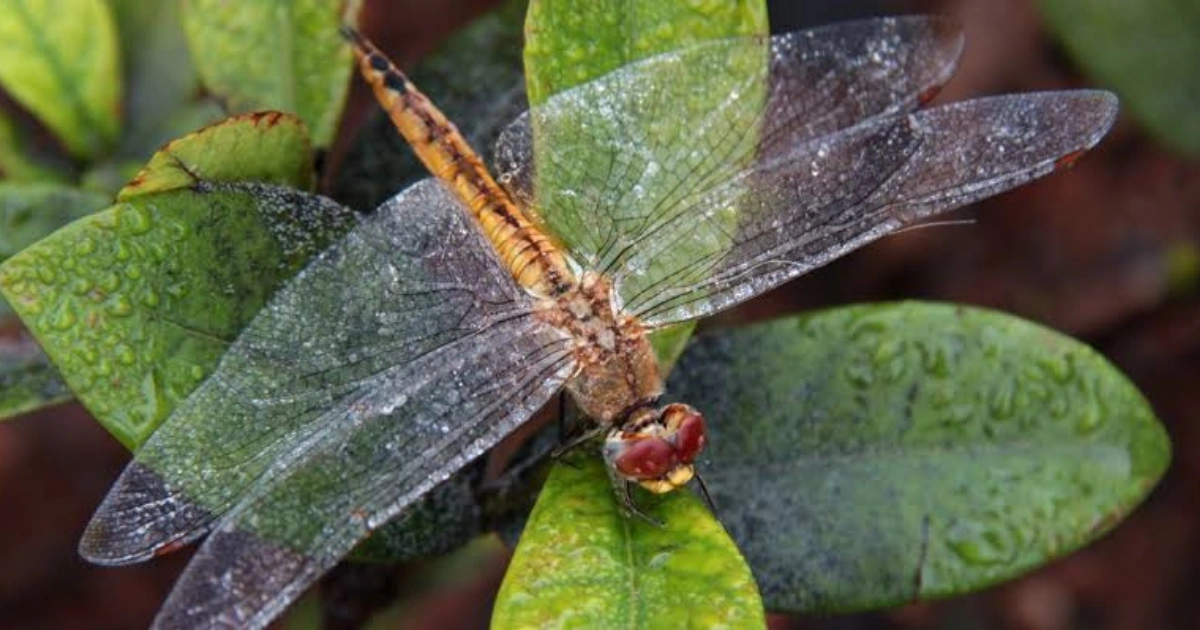
Discover the beneficial garden insects and other helpful garden creatures that naturally control pests, improve soil health, and support a thriving ecosystem without relying on chemical pesticides.
Many gardeners assume that every bug they find among their plants is a pest. In reality, some of the most effective garden protectors are insects and small invertebrates working quietly behind the scenes. These natural allies help control harmful pests, pollinate flowers, recycle organic matter, and improve soil quality.
Understanding which creatures deserve protection can help you create a healthier, more balanced garden while reducing the need for synthetic chemicals.
In this guide, we’ll explore eight beneficial garden insects and garden helpers that contribute to a productive and sustainable landscape.
Why Beneficial Insects Matter in the Garden
A healthy garden is not pest-free. Instead, it contains a balance of organisms that naturally regulate one another.
Beneficial insects help by:
- Controlling aphids and other plant pests
- Pollinating flowers and crops
- Breaking down organic matter
- Improving soil fertility
- Supporting biodiversity
- Reducing dependence on pesticides
When gardeners encourage beneficial species, they often experience fewer pest outbreaks and healthier plants.
1. Earwigs: Misunderstood Nighttime Predators
Earwigs often have an undeserved reputation due to their pincers and unusual appearance.
However, these insects can be valuable garden allies because they feed on:
- Aphids
- Mites
- Small insect eggs
- Soft-bodied pests
Most earwig activity occurs at night, making them effective pest hunters when many other beneficial insects are inactive.
Benefits of Earwigs
- Natural pest control
- Reduced aphid populations
- Minimal damage to established plants
While earwigs may occasionally nibble tender seedlings, their overall contribution to pest management is often beneficial.
2. Tiger Beetles: Fast and Efficient Hunters
Tiger beetles are among the most aggressive insect predators found in gardens.
Their remarkable speed and powerful jaws allow them to capture:
- Caterpillars
- Small grubs
- Ants
- Various insect larvae
These colorful beetles patrol garden beds and pathways, helping suppress populations of destructive pests.
Why Gardeners Should Welcome Tiger Beetles
- Excellent biological control agents
- Active hunters during daylight hours
- No threat to plants
3. Garden Centipedes: Underground Pest Controllers
Garden centipedes spend most of their lives beneath the soil surface, where they play an important role in pest control.
They feed on:
- Soil-dwelling larvae
- Small insects
- Worm-like pests
- Insect eggs
Unlike millipedes, which primarily consume decaying matter, centipedes are predators.
Soil Health Benefits
By reducing populations of underground pests, centipedes help protect plant roots and improve overall garden health.
4. Garden Orb-Weaver Spiders
Although spiders are not insects, they are among the most valuable garden predators.
Orb-weavers create intricate circular webs that capture:
- Flies
- Mosquitoes
- Moths
- Flying agricultural pests
These spiders are generally harmless to humans and play a significant role in maintaining ecological balance.
Advantages of Orb-Weavers
- Continuous pest control
- Reduction of nuisance insects
- No plant damage
Many gardeners find that allowing orb-weavers to remain in the garden significantly reduces flying insect populations.
5. Hoverflies: Pollinators and Aphid Hunters
Hoverflies are often mistaken for bees or wasps due to their yellow-and-black coloration.
However, they are harmless flies with two important functions:
Adult Hoverflies
Adults serve as highly effective pollinators, visiting flowers throughout the growing season.
Hoverfly Larvae
The larvae are voracious predators that consume:
- Aphids
- Scale insects
- Small caterpillars
A single hoverfly larva may eat hundreds of aphids before reaching adulthood.
Why Hoverflies Are Valuable
- Pollination services
- Natural aphid control
- Safe around people and pets
6. Walking Sticks: Gentle Members of the Ecosystem
Walking sticks are masters of camouflage and often resemble twigs or small branches.
Although they feed on leaves, they rarely cause significant damage to healthy plants.
Ecological Role
Walking sticks contribute to:
- Biodiversity
- Natural food chains
- Ecosystem stability
Their presence is often a sign of a balanced and diverse garden environment.
7. Dung Beetles: Nature’s Recycling Experts
Dung beetles perform one of the most important sanitation services in nature.
By breaking down animal waste, they help:
- Recycle nutrients
- Improve soil structure
- Reduce fly populations
- Enhance water infiltration
Their tunneling activity also improves soil aeration.
Benefits for Garden Soil
Healthy soil supports stronger plants, better root development, and increased resistance to environmental stress.
8. Pill Bugs (Roly-Polies): Essential Decomposers
Pill bugs, often called roly-polies, are crustaceans rather than insects.
They specialize in breaking down:
- Dead leaves
- Decaying wood
- Organic debris
- Plant litter
This decomposition process releases nutrients back into the soil.
How Pill Bugs Help Gardens
- Improve nutrient cycling
- Enhance soil quality
- Support composting processes
In most gardens, their benefits far outweigh any occasional feeding on very young seedlings.
How to Attract Beneficial Garden Insects
Creating a welcoming habitat is the best way to encourage helpful species.
Plant Diverse Flowers
Choose flowering plants that bloom throughout the growing season.
Excellent choices include:
- Yarrow
- Dill
- Fennel
- Coreopsis
- Coneflowers
- Native wildflowers
Reduce Pesticide Use
Broad-spectrum insecticides often kill beneficial insects alongside pests.
Consider:
- Integrated pest management (IPM)
- Hand removal of pests
- Biological controls
- Targeted treatments only when necessary
Provide Shelter
Beneficial insects need places to hide and reproduce.
Include:
- Mulch
- Leaf litter
- Native shrubs
- Ground covers
- Insect-friendly habitat areas
Leave Some Natural Areas
A perfectly tidy garden often supports fewer beneficial species than one with a little natural diversity.
Common Garden Myths About Insects
Myth 1: All Bugs Are Harmful
Many insects actively protect plants by preying on destructive pests.
Myth 2: Spiders Should Be Removed
Most garden spiders are harmless and provide valuable pest control.
Myth 3: More Pesticides Mean Healthier Plants
Overuse of pesticides often disrupts natural predator-prey relationships and can lead to larger pest outbreaks.
Frequently Asked Questions
What are the most beneficial insects for a vegetable garden?
Hoverflies, lady beetles, lacewings, tiger beetles, and predatory wasps are among the most beneficial species for vegetable gardens.
Are earwigs good or bad for gardens?
Earwigs are generally beneficial because they consume aphids, mites, and other pests, although they may occasionally feed on tender plant tissue.
Do pill bugs damage plants?
Pill bugs primarily consume decaying organic matter. They rarely become serious plant pests in healthy gardens.
Should I remove spider webs from my garden?
In most cases, no. Orb-weaver spiders help control flies, mosquitoes, and other flying insects.
How can I attract more beneficial insects naturally?
Plant diverse flowering species, avoid broad-spectrum pesticides, provide shelter, and maintain a variety of habitats throughout your landscape.
Final Thoughts
A thriving garden depends on more than healthy plants—it relies on a diverse community of beneficial organisms working together. Earwigs, tiger beetles, centipedes, orb-weaver spiders, hoverflies, walking sticks, dung beetles, and pill bugs each contribute to a healthier ecosystem in their own way.
Rather than viewing every insect as a threat, gardeners can achieve better long-term results by learning to recognize and protect these valuable allies. Encouraging beneficial garden insects helps create a more resilient landscape, reduces pest problems naturally, and supports a thriving environment for plants and wildlife alike.
SEO Information
Primary Keyword: Beneficial garden insects
Related Keywords:
- Helpful garden insects
- Natural pest control
- Garden ecosystem
- Beneficial bugs
- Pollinator insects
- Soil-improving insects
- Organic gardening
- Biological pest management
Internal Linking Suggestions (secretsofthegreengarden.com)
- How to Create a Pollinator-Friendly Garden
- Natural Ways to Control Aphids Without Chemicals
- The Importance of Healthy Soil in Organic Gardening
External Linking Suggestions
- University of California Integrated Pest Management Program
- USDA Natural Resources Conservation Service Pollinator Resources
- Xerces Society for Invertebrate Conservation
Meta Description: Learn about 8 beneficial garden insects and helpful garden creatures that naturally control pests, improve soil health, support pollination, and create a healthier, more sustainable garden ecosystem.