
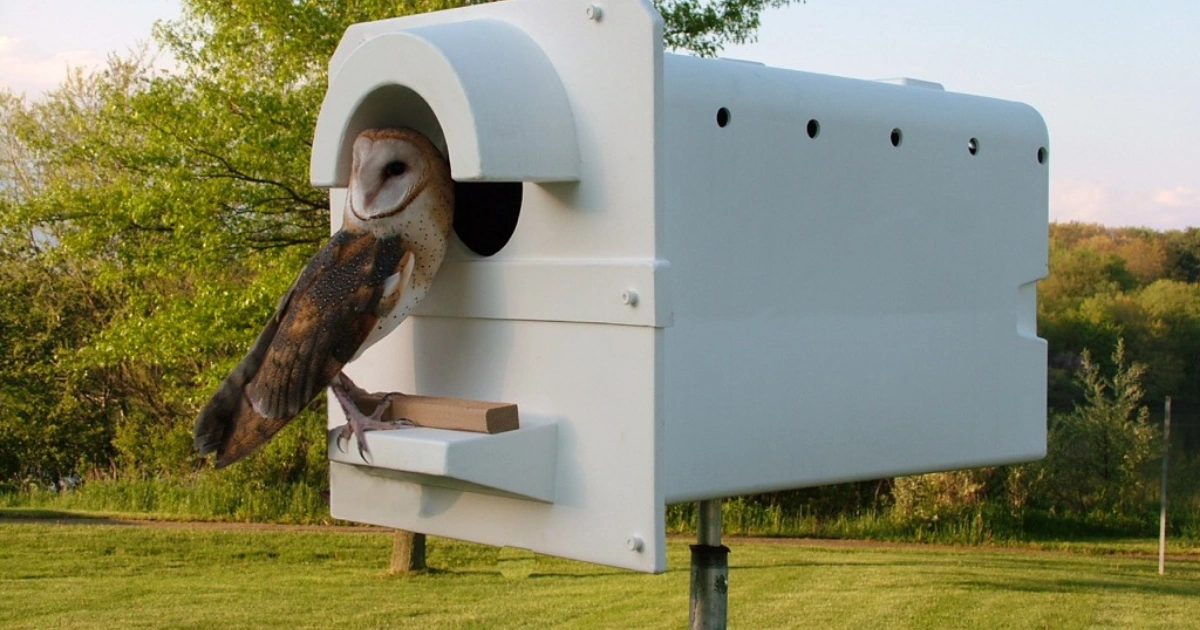
Discover how owl nest boxes support natural rodent control, reduce reliance on poisons, and encourage beneficial wildlife on farms, homesteads, and rural properties.
Rodents can cause serious problems for gardeners, farmers, and property owners. Mice, voles, and rats damage crops, contaminate feed, chew wiring, and multiply rapidly when food and shelter are abundant. While chemical rodenticides are often used to address infestations, they can harm non-target wildlife and disrupt local ecosystems.
One of the most effective natural solutions comes from an unexpected ally: owls. By providing suitable nesting habitat, landowners can encourage owl families to establish territories and help manage rodent populations year-round.
In this guide, you’ll learn why owl nest boxes are valuable, how they support natural pest control, and what features make a successful owl house.
Why Owls Are Nature’s Rodent Controllers
Owls are highly specialized predators that primarily hunt small mammals.
Depending on the species and habitat, their diet may include:
- Mice
- Rats
- Voles
- Shrews
- Small rabbits
- Other nuisance rodents
Because owls hunt mostly at night, they provide pest control during hours when many other predators are inactive.
A breeding pair raising young can consume thousands of rodents over the course of a year, making owls one of the most effective forms of biological rodent management.
The Benefits of Natural Rodent Control
Encouraging owls offers advantages beyond reducing rodent numbers.
Reduced Dependence on Rodenticides
Poisoned rodents can create secondary poisoning risks for wildlife.
Predators affected may include:
- Owls
- Hawks
- Eagles
- Foxes
- Coyotes
Natural predation helps reduce the need for toxic chemicals.
Long-Term Pest Management
Unlike traps or poisons that require constant replacement, established owl populations provide ongoing rodent control.
Environmental Benefits
Supporting native predators helps maintain ecological balance and biodiversity across rural and suburban landscapes.
Why Owl Nest Boxes Matter
Modern landscapes often lack the natural cavities owls need for nesting.
Factors contributing to habitat loss include:
- Removal of dead trees
- Intensive land management
- Urban development
- Loss of mature woodland habitat
Nest boxes provide safe alternatives that can encourage owls to breed successfully.
For many species, the availability of nesting sites is one of the primary factors limiting local populations.
Key Features of an Effective Owl Nest Box
A successful owl box should prioritize safety, durability, and adequate space.
Spacious Interior
Owls require enough room for:
- Adult birds
- Developing chicks
- Nesting material
- Movement during feeding
Larger species generally require larger boxes.
Appropriate Entrance Size
The entrance opening should:
- Allow easy access for the target owl species
- Discourage larger predators
- Provide protection from weather
Entrance dimensions vary depending on the species being supported.
Durable Construction
Quality nest boxes are typically made from:
- Exterior-grade plywood
- Untreated lumber
- Weather-resistant materials
Boxes should withstand years of exposure to sun, rain, and temperature fluctuations.
Easy Cleaning Access
A hinged side or access panel allows annual maintenance and inspection without damaging the structure.
Ventilation and Drainage
Proper airflow helps regulate temperature and moisture levels, creating a healthier environment for nesting birds.
Where to Install an Owl Box
Location plays a major role in nest box success.
Height Above Ground
Most owl boxes are installed:
- On poles
- On sturdy trees
- On outbuildings
Placement height depends on the owl species and surrounding habitat.
Face Away from Prevailing Winds
Positioning the entrance away from strong winds helps keep the interior dry and protected.
Choose Open Hunting Areas
Owls often prefer nesting locations near:
- Fields
- Pastures
- Meadows
- Orchards
- Agricultural land
These environments provide abundant hunting opportunities.
Avoid Excessive Disturbance
Install boxes away from:
- Frequent human activity
- Bright outdoor lighting
- Heavy machinery traffic
Quiet locations improve nesting success.
Which Owl Species Use Nest Boxes?
Several owl species readily occupy artificial nesting structures.
Common examples include:
Barn Owls
Barn owls are among the most widely recognized rodent predators.
They frequently inhabit:
- Agricultural areas
- Open grasslands
- Rural properties
Screech Owls
Smaller than barn owls, screech owls often use nest boxes in suburban and woodland environments.
Tawny Owls and Other Cavity-Nesting Species
In suitable regions, various native owl species may adopt well-designed nest boxes.
Always research local species before selecting a box design.
Avoiding Rodent Poisons Helps Protect Owls
One of the greatest threats to owls is secondary poisoning.
When rodents consume poison bait, toxins can remain in their bodies.
Owls that eat contaminated prey may suffer:
- Internal bleeding
- Reproductive problems
- Immune system damage
- Death
Reducing rodenticide use is one of the most effective ways to protect local owl populations.
Additional Ways to Attract Owls
Nest boxes work best when combined with owl-friendly habitat.
Maintain Natural Areas
Allow some areas to remain less manicured.
This supports healthy prey populations.
Preserve Mature Trees
Large trees provide:
- Roosting sites
- Shelter
- Additional nesting opportunities
Minimize Nighttime Disturbance
Owls depend on darkness for effective hunting.
Reducing unnecessary outdoor lighting can improve habitat quality.
Protect Open Foraging Habitat
Fields, meadows, and natural grasslands provide ideal hunting grounds.
Common Mistakes When Installing Owl Boxes
Choosing the Wrong Box Size
Different owl species require different dimensions.
A box designed for barn owls may not suit smaller species.
Installing Too Low
Boxes placed too close to the ground may be vulnerable to predators and disturbance.
Ignoring Maintenance
Annual cleaning helps maintain healthy nesting conditions.
Using Treated Wood
Some pressure-treated materials may contain chemicals unsuitable for wildlife habitat.
Frequently Asked Questions
How many rodents can an owl family eat in a year?
Consumption varies by species and habitat, but a breeding owl family may capture thousands of rodents annually while raising young.
Do owl boxes really work?
Yes. Properly designed and correctly placed nest boxes are widely used in conservation and agricultural programs to support owl populations.
How long does it take for owls to use a nest box?
Some boxes are occupied within the first season, while others may take several years depending on local owl populations and habitat conditions.
Should I place nesting material inside an owl box?
Many owl species benefit from a layer of untreated wood shavings placed inside the box before installation.
Are owl boxes suitable for suburban gardens?
Smaller owl species may use nest boxes in suburban areas if suitable habitat and food sources are available nearby.
Final Thoughts
Owls are among nature’s most effective rodent predators, providing valuable pest control services without the environmental risks associated with poisons. Installing a well-designed owl nest box can help support local owl populations while encouraging a healthier, more balanced ecosystem.
Whether you manage a farm, homestead, orchard, or large backyard, creating nesting opportunities for owls is a practical step toward sustainable rodent control. By combining nest boxes with wildlife-friendly habitat management, you can support these remarkable birds and benefit from their natural hunting abilities for years to come.
SEO Information
Primary Keyword: Owl nest box
Related Keywords:
- Natural rodent control
- Barn owl box
- Owl house plans
- Backyard owl habitat
- Wildlife-friendly pest control
- Rodent management
- Owl conservation
- Nesting boxes for owls
Internal Linking Suggestions (secretsofthegreengarden.com)
- Beneficial Garden Wildlife Every Property Owner Should Encourage
- Natural Ways to Control Garden and Farm Pests
- How to Create a Wildlife-Friendly Backyard Habitat
External Linking Suggestions
- Cornell Lab of Ornithology NestWatch Program
- The Owl Research Institute Conservation Resources
- USDA Natural Resources Conservation Service Wildlife Habitat Resources
Meta Description: Learn how an owl nest box can provide natural rodent control, support local owl populations, and reduce reliance on harmful poisons. Discover placement tips, habitat requirements, and conservation benefits.