
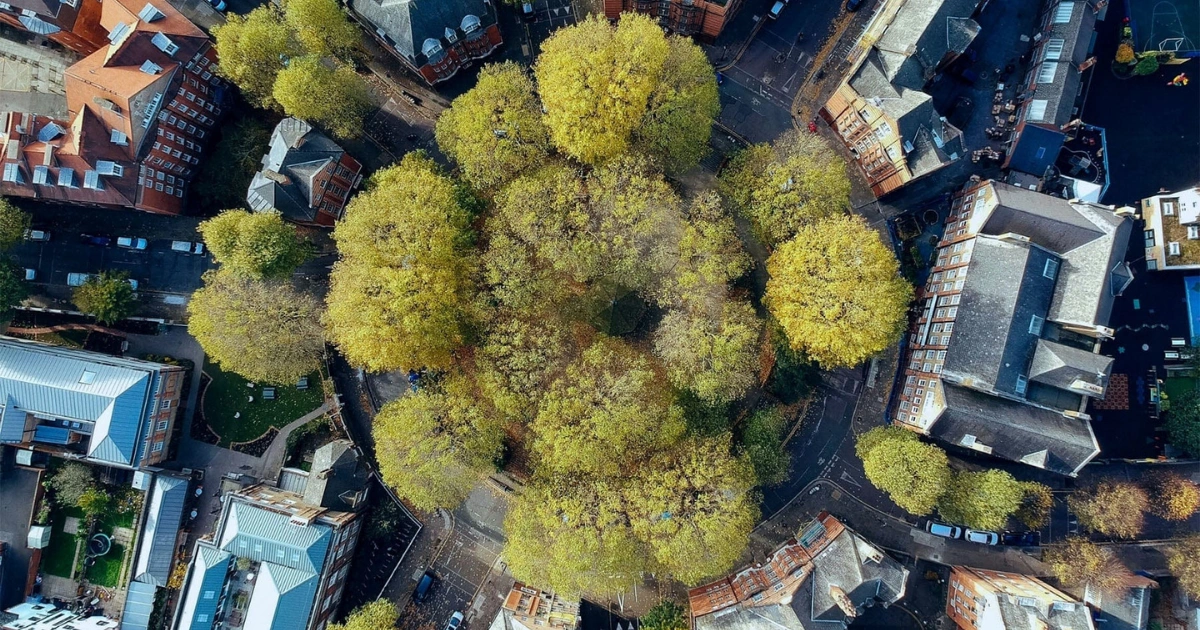
As cities continue to grow, many communities face a common challenge: rising temperatures. Concrete, asphalt, buildings, and vehicles absorb and retain heat throughout the day, creating what scientists call the urban heat island effect. During summer, some city neighborhoods can be significantly warmer than nearby rural areas.
While air conditioning provides relief indoors, trees offer a remarkable natural cooling system that benefits entire neighborhoods. Through shade and a biological process known as transpiration, urban trees help lower temperatures, improve air quality, and make cities more comfortable and resilient.
Primary Keyword: urban tree cooling
What Causes Urban Heat Islands?
Urban heat islands develop when natural landscapes are replaced with materials that absorb and store solar energy.
Common contributors include:
- Asphalt roads
- Concrete sidewalks
- Buildings
- Parking lots
- Limited vegetation
These surfaces heat up during the day and slowly release that heat, keeping urban areas warmer even after sunset.
Why This Matters
Higher urban temperatures can lead to:
- Increased energy consumption
- Reduced outdoor comfort
- Greater heat stress risks
- Higher cooling costs
- Increased strain on infrastructure
This is why many cities are investing in urban forestry programs.
How Air Conditioning Affects Outdoor Temperatures
Air conditioners cool indoor spaces by transferring heat outdoors.
How Mechanical Cooling Works
When an air conditioning unit operates, it:
- Removes heat from inside a building
- Releases that heat outdoors
- Consumes electricity in the process
This process is highly effective for indoor comfort but does not remove heat from the broader urban environment.
Instead, the heat is relocated.
In densely populated neighborhoods with many air conditioning units, this can contribute to warmer street-level temperatures.
How Trees Cool the Environment
Unlike mechanical cooling systems, trees actively reduce ambient temperatures through several natural processes.
Shade Reduction
The most visible cooling benefit comes from shade.
Tree canopies:
- Block direct sunlight
- Reduce surface temperatures
- Protect sidewalks and buildings
- Lower pavement temperatures
Research has shown that shaded surfaces can be dramatically cooler than those exposed to full sun.
Evapotranspiration
The second cooling mechanism is even more impressive.
Trees absorb water through their roots and release moisture through tiny openings in their leaves.
This process is called transpiration.
As water evaporates from leaves, heat energy is absorbed from the surrounding air, creating a cooling effect similar to natural evaporation from human skin.
Together, evaporation and transpiration are often referred to as evapotranspiration.
The Cooling Power of a Mature Tree
A healthy mature tree can move substantial amounts of water through its system each day.
Depending on species, climate, and growing conditions, large trees may transpire dozens of gallons of water daily.
This continuous movement of water contributes to localized cooling and helps moderate temperatures across larger areas.
Neighborhood Benefits
Groups of trees can create:
- Cooler streets
- More comfortable parks
- Reduced heat exposure
- Improved outdoor living conditions
Unlike air conditioners, these benefits extend to everyone in the surrounding environment.
Additional Benefits of Urban Trees
Urban tree cooling is only one part of the story.
Trees also provide numerous environmental and social benefits.
Improved Air Quality
Trees help filter pollutants by capturing:
- Dust particles
- Airborne contaminants
- Certain pollutants
This can contribute to healthier urban environments.
Stormwater Management
Tree roots improve water infiltration and help reduce runoff.
Benefits include:
- Reduced flooding
- Improved groundwater recharge
- Better soil stability
Wildlife Habitat
Urban trees support:
- Birds
- Pollinators
- Beneficial insects
- Small mammals
Even a single mature tree can provide valuable habitat in developed areas.
Carbon Storage
Trees absorb carbon dioxide as they grow, helping store carbon in their wood and roots.
Best Trees for Urban Cooling
The most effective cooling trees generally share several characteristics.
Large Canopy Trees
Species with broad canopies often provide the greatest cooling benefits.
Examples vary by region but may include:
- Oaks
- Maples
- Elms
- Sycamores
- Plane trees
Native Species
Native trees are often well-adapted to local conditions and provide additional benefits for local wildlife.
Selecting regionally appropriate species improves long-term success.
Designing Cooler Neighborhoods
Urban planners increasingly recognize the importance of tree canopy coverage.
Effective strategies include:
Street Tree Planting
Trees along roads can:
- Shade pavement
- Reduce heat absorption
- Improve pedestrian comfort
Park Expansion
Green spaces create cooling zones that benefit surrounding communities.
Parking Lot Shading
Strategically placed trees can significantly reduce surface temperatures in parking areas.
Residential Tree Planting
Homeowners can help increase canopy coverage by planting suitable shade trees around their properties.
Challenges Facing Urban Trees
Despite their benefits, urban trees face numerous obstacles.
Common challenges include:
- Limited root space
- Soil compaction
- Drought
- Pollution
- Construction damage
Proper planning and maintenance are essential for long-term success.
Frequently Asked Questions
How do trees cool cities?
Trees cool cities through shade and transpiration, which reduces surrounding air temperatures and lowers heat absorption by surfaces.
What is transpiration?
Transpiration is the process by which trees release water vapor through their leaves, creating a natural cooling effect.
Can trees reduce air conditioning costs?
Yes. Strategically placed shade trees can reduce solar heat gain on buildings, often lowering cooling demands during hot weather.
What is the urban heat island effect?
The urban heat island effect occurs when cities become warmer than surrounding areas because buildings, roads, and pavement absorb and retain heat.
Are native trees better for urban cooling?
Native trees often provide excellent cooling benefits while supporting local wildlife and adapting well to regional conditions.
Conclusion
Urban tree cooling demonstrates how nature can help address one of the most pressing challenges facing modern cities. While air conditioning provides valuable indoor comfort, trees offer community-wide benefits by reducing temperatures, improving air quality, supporting wildlife, and enhancing quality of life.
As cities continue to expand, increasing tree canopy coverage remains one of the most effective and sustainable strategies for combating urban heat. Whether through municipal planting programs or individual landscaping choices, every new tree contributes to a cooler, healthier, and more resilient urban environment.
Suggested Internal Links for SecretsoftheGreenGarden.com
Consider linking to:
- Why Native Trees Are Essential for Wildlife
- How to Create a Pollinator-Friendly Backyard
- The Benefits of Shade Trees in Home Landscapes
Suggested External Resources
For science-based information, consider referencing:
- U.S. Environmental Protection Agency Urban Heat Island Resources
- USDA Forest Service Urban Forestry Program
- National Oceanic and Atmospheric Administration Climate Resources
Related Keywords: urban forestry, heat island effect, tree canopy benefits, sustainable cities, climate resilience, evapotranspiration, shade trees, urban greening, environmental cooling.