
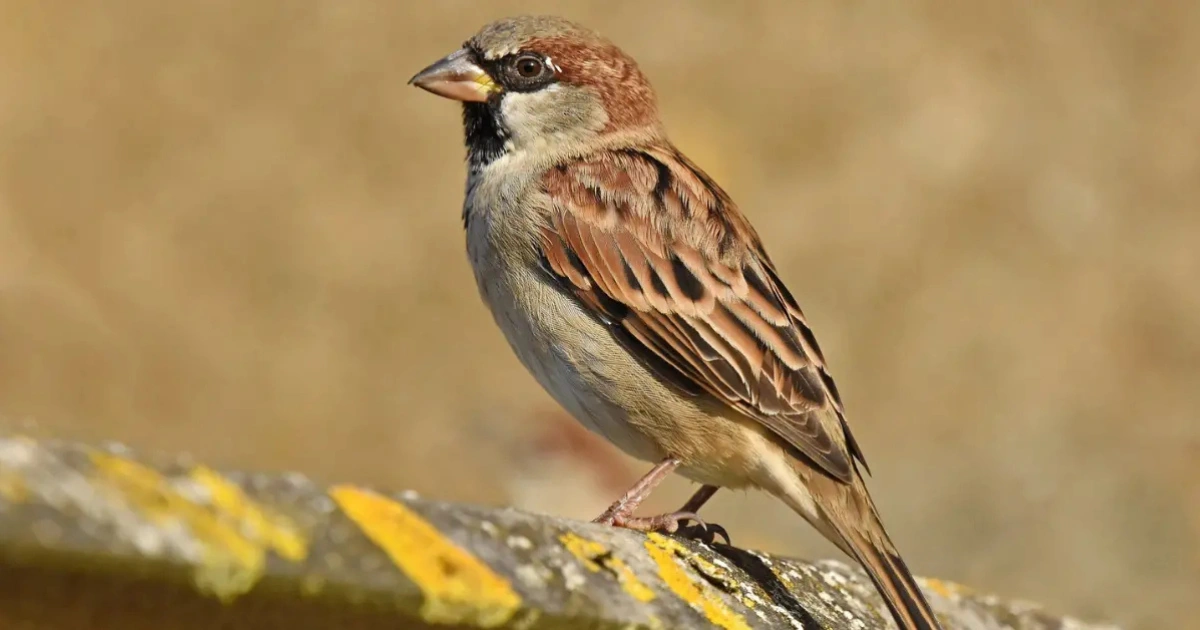
Birdwatching is one of the easiest and most rewarding ways to connect with nature. Whether you have a large backyard, a small garden, or simply a feeder outside your window, chances are you’ve already encountered several common bird species without knowing their names.
Learning to identify backyard birds can transform ordinary moments into exciting wildlife discoveries. By paying attention to color patterns, beak shapes, behaviors, and calls, anyone can become a more confident bird observer.
This guide introduces nine of the most frequently seen backyard birds across North America and explains how to recognize them quickly.
Primary Keyword: backyard bird identification
Why Backyard Bird Identification Matters
Birds are more than beautiful visitors. They play important ecological roles by:
- Controlling insect populations
- Pollinating certain plants
- Dispersing seeds
- Supporting healthy ecosystems
Learning backyard bird identification can also help gardeners create habitats that support local wildlife.
1. Northern Cardinal (Cardinalis cardinalis)
The Northern Cardinal is one of the easiest birds to recognize.
Key Identification Features
- Bright red plumage in males
- Prominent crest on the head
- Thick orange-red conical beak
- Black facial mask around the bill
Females are typically light brown with reddish highlights.
Favorite Foods
Cardinals commonly eat:
- Sunflower seeds
- Safflower seeds
- Berries
- Insects
Habitat
They are year-round residents throughout much of the eastern and central United States.
2. American Robin (Turdus migratorius)
The American Robin is often associated with the arrival of spring.
Key Identification Features
- Orange-rust breast
- Gray-brown back
- White markings around the eyes
- Upright posture
Favorite Foods
Robins feed on:
- Earthworms
- Insects
- Fruits
- Berries
Habitat
They are commonly found in lawns, parks, gardens, and suburban neighborhoods.
3. Blue Jay (Cyanocitta cristata)
Blue Jays are intelligent, vocal birds known for their striking appearance.
Key Identification Features
- Bright blue wings and tail
- Crest on the head
- Black collar around the neck
- White underparts
Favorite Foods
Blue Jays enjoy:
- Acorns
- Peanuts
- Sunflower seeds
- Insects
Interesting Behavior
They are known for their problem-solving abilities and excellent memory.
4. Black-Capped Chickadee (Poecile atricapillus)
Small but energetic, chickadees are favorites among bird enthusiasts.
Key Identification Features
- Black cap
- Black throat patch
- White cheeks
- Gray wings and back
Favorite Foods
They eat:
- Seeds
- Insects
- Suet
- Small berries
Distinctive Call
Their familiar “chick-a-dee-dee-dee” call makes them easy to identify even before they are seen.
5. Mourning Dove (Zenaida macroura)
The Mourning Dove is one of the most widespread birds in North America.
Key Identification Features
- Soft gray-brown coloration
- Small head
- Long pointed tail
- Black wing spots
Favorite Foods
They primarily consume:
- Seeds
- Grains
- Small plant materials
Behavior
These birds often forage on the ground beneath feeders.
6. American Goldfinch (Spinus tristis)
The American Goldfinch adds vibrant color to summer gardens.
Key Identification Features
During breeding season, males display:
- Bright yellow feathers
- Black wings
- Black cap
Females are generally more subdued in color.
Favorite Foods
They prefer:
- Thistle seeds
- Sunflower seeds
- Native wildflower seeds
Habitat Tip
Planting native flowers can help attract goldfinches naturally.
7. White-Breasted Nuthatch (Sitta carolinensis)
This unique bird has a behavior that immediately sets it apart.
Key Identification Features
- White face and chest
- Blue-gray back
- Long pointed bill
Signature Behavior
Unlike most birds, nuthatches often move headfirst down tree trunks while searching for insects.
Favorite Foods
They eat:
- Insects
- Seeds
- Nuts
- Suet
8. House Finch (Haemorhous mexicanus)
House Finches have adapted exceptionally well to urban and suburban environments.
Key Identification Features
Male House Finches display:
- Red forehead and face
- Brown streaked body
- Thick seed-cracking bill
Females lack the red coloration and appear mostly brown.
Favorite Foods
They frequently visit feeders for:
- Sunflower seeds
- Nyjer seed
- Small fruits
Habitat
They are among the most common feeder birds in many cities.
9. Downy Woodpecker (Dryobates pubescens)
The Downy Woodpecker is the smallest woodpecker species commonly found in North America.
Key Identification Features
- Black-and-white plumage
- Small bill
- White back stripe
Male birds have a small red patch on the back of the head.
Favorite Foods
They consume:
- Insects
- Larvae
- Suet
- Seeds
Behavior
These woodpeckers frequently visit backyard feeders, especially during winter.
How to Attract More Backyard Birds
Creating a bird-friendly landscape increases the diversity of species visiting your yard.
Provide Food Sources
Offer:
- Black oil sunflower seeds
- Nyjer seed
- Suet
- Native berry-producing plants
Supply Fresh Water
Bird baths provide:
- Drinking water
- Bathing opportunities
- Increased wildlife activity
Plant Native Vegetation
Native plants support:
- Insects that birds feed on
- Nesting sites
- Natural shelter
Reduce Pesticide Use
Healthy insect populations provide an essential food source for many bird species.
Tips for Better Bird Identification
Observe Beak Shape
Different beak types reveal feeding habits.
Watch Behavior
Movement patterns often help narrow identification quickly.
Listen to Calls
Many species are easier to identify by sound than appearance.
Note Habitat Preferences
Some birds prefer trees, while others spend more time on the ground.
Frequently Asked Questions
What is the easiest backyard bird to identify?
The Northern Cardinal is often considered one of the easiest due to its bright red coloration and distinctive crest.
Which backyard bird is known for its red breast?
The American Robin is famous for its orange-red breast and is one of North America’s most recognizable birds.
What bird climbs down trees headfirst?
The White-Breasted Nuthatch is known for moving down tree trunks upside down while searching for food.
Which bird is bright yellow in summer?
The American Goldfinch develops vibrant yellow plumage during the breeding season.
How can I attract more birds to my backyard?
Providing food, water, native plants, and shelter while minimizing pesticide use can significantly increase bird activity.
Conclusion
Learning backyard bird identification opens the door to a deeper appreciation of local wildlife. From the bright red Northern Cardinal to the energetic Black-Capped Chickadee and the colorful American Goldfinch, these birds bring beauty, movement, and ecological value to gardens across North America.
By observing their colors, behaviors, calls, and feeding preferences, even beginners can quickly become skilled birdwatchers. A well-planned backyard habitat not only attracts birds but also contributes to healthier local ecosystems for years to come.
Suggested Internal Links for SecretsoftheGreenGarden.com
Consider linking to:
- How to Create a Pollinator-Friendly Backyard
- Native Plants That Attract Birds and Butterflies
- American Robin Nesting Season: What Homeowners Should Know
Suggested External Resources
For authoritative bird information, consider referencing:
- Cornell Lab of Ornithology All About Birds
- National Audubon Society Bird Guide
- U.S. Fish & Wildlife Service Bird Conservation Resources
Related Keywords: bird identification guide, backyard birds, North American birds, birdwatching, garden wildlife, bird feeder birds, native birds, bird habitat, common songbirds.