
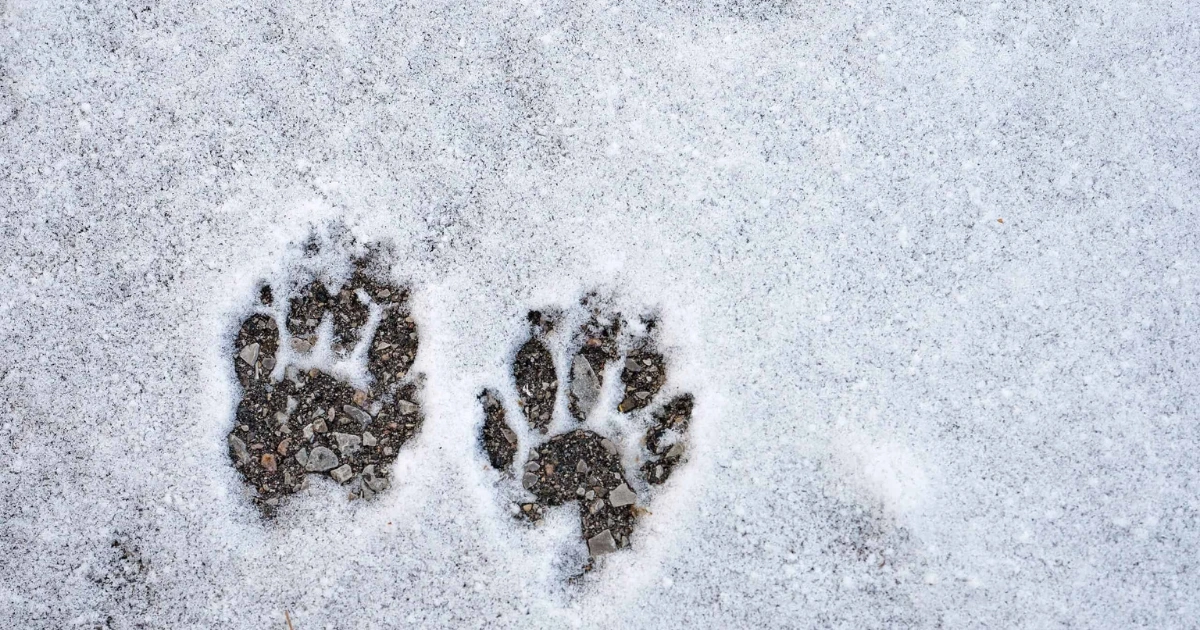
Primary Keyword: backyard animal tracks
Have you ever noticed mysterious footprints crossing your garden, lawn, or muddy pathway and wondered which animal left them behind? Learning to identify backyard animal tracks is a fascinating way to connect with local wildlife and gain insight into the creatures sharing your environment.
Animal tracks tell stories about feeding habits, movement patterns, habitat use, and even behavior. Whether you live in a rural setting, suburban neighborhood, or near woodland areas, recognizing common footprints can help you better understand the hidden world of backyard wildlife.
This guide explores how to identify some of the most frequently encountered animal tracks, including raccoons, deer, foxes, rabbits, squirrels, and domestic animals.
Why Learn to Identify Backyard Animal Tracks?
Tracking animals is one of the oldest wildlife observation skills. Understanding backyard animal tracks offers several benefits:
- Encourages a deeper appreciation for local wildlife
- Helps identify beneficial or problematic visitors
- Provides educational opportunities for children and families
- Supports wildlife-friendly gardening practices
- Enhances outdoor observation skills
- Offers clues about animal behavior and movement patterns
Tracks can reveal much more than simply which species visited your yard.
What to Look for When Identifying Tracks
Successful identification depends on observing several important characteristics.
Track Shape
Examine:
- Number of toes
- Presence or absence of claw marks
- Overall footprint shape
- Relative size of front and hind feet
Gait Patterns
Animals move differently depending on their anatomy.
Common gait patterns include:
- Waddling walks
- Bounding movements
- Direct-register walking
- Diagonal stepping patterns
Stride Length
Measure the distance between repeated footprints.
Stride length can help distinguish between similar species.
Habitat Clues
Consider where the tracks were found:
- Near water sources
- Along fences
- Under trees
- In gardens
- Around bird feeders
Context often supports accurate identification.
Raccoon Tracks: Tiny Handprints in the Mud
Raccoons are among the easiest backyard animal tracks to recognize.
Key Characteristics
- Five long fingers on each foot
- Hand-like appearance
- Hind feet longer than front feet
- Prominent claw marks
Gait Pattern
Raccoons typically exhibit a waddling gait.
Tracks often appear in alternating patterns with stride lengths ranging from approximately 10 to 15 inches.
Where You May Find Them
Raccoon tracks frequently appear near:
- Bird feeders
- Compost bins
- Water features
- Garbage containers
- Fruit trees
Their dexterous front paws help them manipulate food and objects.
White-Tailed Deer Tracks: Distinctive Hoof Prints
White-tailed deer are common visitors in many suburban and rural landscapes.
Key Characteristics
- Split hoof impression
- Heart-shaped appearance
- Pointed front tips
- Large track size compared to smaller mammals
Gait Pattern
Deer often use a direct register walk, meaning hind feet land close to the impressions made by front feet.
Typical stride lengths range from 2 to 3 feet.
Signs of Deer Activity
In addition to tracks, look for:
- Browsed plants
- Rub marks on trees
- Droppings
- Well-worn travel routes
Opossum Tracks: Unique Thumb-Like Hind Feet
Opossums leave distinctive footprints that differ from most other backyard mammals.
Key Characteristics
Front feet:
- Five finger-like toes
- Claw impressions visible
Hind feet:
- Opposable thumb without a claw
- Hand-like appearance
Gait Pattern
Opossums display a slow waddling gait.
Stride lengths typically measure 8 to 12 inches.
Why Opossums Are Beneficial
Opossums contribute positively to backyard ecosystems by consuming:
- Slugs
- Snails
- Insects
- Carrion
They are generally non-aggressive and beneficial neighbors.
Red Fox Tracks: Elegant Single-File Walkers
Foxes are skilled predators often active during dawn and dusk.
Key Characteristics
- Four toes
- Oval footprint shape
- Claw marks usually visible
- Compact, symmetrical appearance
Gait Pattern
Red foxes frequently move in a neat single-file diagonal pattern.
This efficient gait creates remarkably straight track lines.
Typical stride lengths range from 18 to 24 inches.
Additional Signs
Fox activity may also include:
- Small prey remains
- Scat deposits
- Paths along field edges
Skunk Tracks: Small Prints with Long Claws
Skunks possess easily recognizable footprints.
Key Characteristics
- Five toes on each foot
- Prominent claw marks
- Front claws longer than hind claws
Gait Pattern
Skunks exhibit a waddling walk similar to raccoons and opossums.
Stride lengths generally range from 6 to 10 inches.
Ecological Benefits
Skunks help control:
- Grubs
- Beetles
- Insect larvae
- Small rodents
They provide natural pest management services.
Cottontail Rabbit Tracks: The Bounding Pattern
Rabbit tracks are among the most common backyard animal tracks found in snowy or muddy conditions.
Key Characteristics
- Large hind feet
- Smaller front feet
- Four-track grouping pattern
Gait Pattern
Rabbits move using a bounding sequence.
The larger hind footprints land ahead of the smaller front prints.
Typical stride lengths range from 1 to 3 feet.
Where Rabbits Travel
Common locations include:
- Garden edges
- Shrub borders
- Meadow areas
- Fence lines
Squirrel Tracks: Tiny Bounders
Squirrel footprints resemble rabbit tracks but are much smaller.
Key Characteristics
- Four front toes
- Five hind toes
- Small footprint size
Gait Pattern
Squirrels use a bounding movement.
Hind feet usually land ahead of front feet.
Stride lengths typically range from 6 to 12 inches.
Additional Clues
Look for:
- Gnawed nuts
- Digging activity
- Seed husks beneath feeders
Domestic Cat Tracks: Silent Predators
Domestic cats leave distinctive footprints often confused with fox tracks.
Key Characteristics
- Four toes
- Rounded overall shape
- Claw marks usually absent
- Prominent central pad
Gait Pattern
Cats often use a direct register walk, placing hind feet within front footprints.
Stride lengths commonly measure 8 to 12 inches.
Distinguishing Cats from Canines
Unlike dogs and foxes:
- Cat tracks appear rounder.
- Claw marks are usually hidden.
- Toe arrangement differs slightly.
Tips for Finding Backyard Animal Tracks
If you want to improve your tracking skills:
Check Soft Surfaces
Tracks are easiest to observe in:
- Mud
- Snow
- Sand
- Damp soil
Explore Early Morning
Fresh tracks are often most visible after overnight animal activity.
Photograph Tracks
Taking pictures allows for later comparison with field guides.
Measure Footprints
Record:
- Width
- Length
- Stride distance
Accurate measurements improve identification accuracy.
Frequently Asked Questions About Backyard Animal Tracks
How can I tell raccoon tracks from opossum tracks?
Raccoon tracks resemble tiny hands with evenly spaced fingers, while opossum hind feet feature a distinctive opposable thumb.
Do fox tracks look like dog tracks?
Fox tracks are typically narrower, more symmetrical, and often appear in a straight single-file pattern.
Why don’t cat tracks show claw marks?
Cats retract their claws while walking, so claw impressions are usually absent.
What animal leaves heart-shaped footprints?
White-tailed deer produce characteristic split-hoof tracks that resemble heart shapes.
Are skunks beneficial in the garden?
Yes. Skunks consume many insects and larvae that can damage lawns and gardens.
Internal Linking Suggestions for Secretsofthegreengarden.com
Consider linking this article to related content using anchor text such as:
- How to Create a Wildlife-Friendly Backyard
- Natural Pest Control Through Beneficial Wildlife
- Building a Garden That Supports Local Biodiversity
These internal links strengthen topical authority and encourage readers to explore related wildlife gardening topics.
Recommended External Resources
For additional wildlife tracking information, consider referencing:
- National Wildlife Federation – Backyard Wildlife Resources: https://www.nwf.org
- U.S. Fish & Wildlife Service – Wildlife Identification Guides: https://www.fws.gov
- Project Noah – Wildlife Observation and Citizen Science: https://www.projectnoah.org
These trusted organizations provide educational resources for wildlife identification and conservation.
Final Thoughts
Learning to recognize backyard animal tracks transforms ordinary outdoor spaces into living stories of wildlife activity. Each footprint offers clues about the species that visit your property, their behaviors, and the ecological relationships shaping your local environment.
Whether you’re identifying the hand-like tracks of raccoons, the elegant path of a fox, or the bounding footprints of rabbits and squirrels, tracking encourages a deeper appreciation for the diverse creatures that share our neighborhoods. The next time you spot footprints in the mud or snow, take a closer look—you may discover that your backyard is far more active than you realized.