
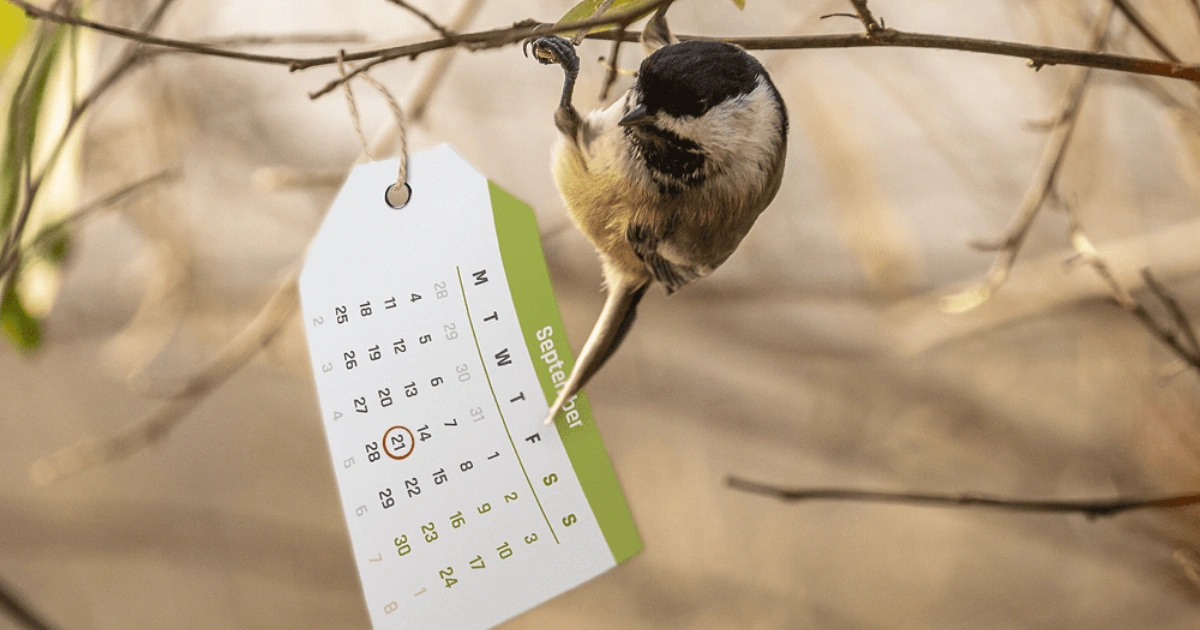
Primary Keyword: backyard bird calendar
Bird activity changes dramatically throughout the year. From winter feeding flocks to spring nesting behaviors and autumn migration, understanding your local birds’ seasonal needs can transform your garden into a thriving wildlife haven. A backyard bird calendar helps bird enthusiasts anticipate these changes, providing the right food, shelter, and resources exactly when birds need them most.
Whether you’re an experienced birder or simply enjoy watching feathered visitors from your window, learning the rhythms of the avian year can deepen your connection with nature while supporting local biodiversity.
Why Follow a Backyard Bird Calendar?
Birds face different challenges and opportunities with each season. By understanding these cycles, gardeners and wildlife enthusiasts can:
- Provide appropriate food sources year-round
- Support nesting and breeding success
- Assist migrating birds during critical journeys
- Improve habitat quality
- Increase bird diversity in the backyard
- Enjoy more meaningful birdwatching experiences
A well-planned backyard bird calendar allows you to adapt your garden to changing wildlife needs throughout the year.
Winter (December to February): Survival and Shelter
Winter can be one of the most challenging seasons for backyard birds. Food becomes scarce, water sources freeze, and harsh weather increases energy demands.
Common Winter Backyard Birds
Depending on your region, winter visitors may include:
- Chickadees
- Blue Jays
- Cardinals
- Nuthatches
- Finches
- Woodpeckers
- Sparrows
- Juncos
How to Help Birds in Winter
Offer High-Energy Foods
Provide calorie-rich options such as:
- Black oil sunflower seeds
- Suet cakes
- Peanuts
- Nyjer seed for finches
- Mixed seed blends
Keep Feeders Clean
Regular cleaning helps prevent the spread of disease among flocking birds.
Provide Fresh Water
Use heated bird baths or refresh water daily where freezing temperatures occur.
Maintain Shelter
Evergreen shrubs and dense vegetation provide protection from cold winds and predators.
Winter bird feeding can significantly improve survival rates during periods of extreme weather.
Early Spring (March to April): Courtship and Territory
As temperatures rise, birds begin preparing for the breeding season.
The backyard bird calendar enters one of its busiest phases as birds establish territories and search for mates.
Common Spring Behaviors
You may notice:
- Increased singing
- Territorial displays
- Courtship feeding
- Nest site selection
- Competition among males
How to Support Birds in Spring
Continue Supplemental Feeding
Natural food sources may still be limited early in the season.
Install Nest Boxes
Different species prefer different cavity sizes.
Nest boxes can benefit:
- Chickadees
- Wrens
- Bluebirds
- Tree swallows
Preserve Native Vegetation
Trees and shrubs provide natural nesting opportunities.
Avoid excessive pruning during peak nesting periods.
Late Spring (May): Nesting and Raising Young
By late spring, many birds are actively feeding nestlings.
Species such as robins, wrens, sparrows, and bluebirds may be particularly active.
Increased Protein Needs
Parent birds often switch from seeds to insects because growing chicks require protein-rich diets.
Important natural food sources include:
- Caterpillars
- Beetles
- Spiders
- Larvae
- Earthworms
How to Help During Nesting Season
Limit Pesticide Use
Insects are essential for chick development.
Reducing pesticide applications helps maintain healthy food supplies.
Offer Safe Water Sources
Shallow bird baths assist adults during periods of intense activity.
Summer (June to July): Feeding Fledglings and Pollinator Activity
Summer brings abundant life to wildlife-friendly gardens.
Young birds leave the nest while learning to forage independently.
Common Summer Visitors
Depending on your location, you may observe:
- Hummingbirds
- Goldfinches
- Swallows
- Robins
- Wrens
- Bluebirds
Hummingbird Activity Peaks
Many regions experience increased hummingbird visits during summer.
Hummingbird Support Tips
Provide:
- Clean nectar feeders
- Native flowering plants
- Fresh water sources
- Insect-rich habitats
Replace nectar frequently during hot weather.
Encourage Pollinator Plants
Summer flowers benefit both birds and pollinators.
Excellent choices include:
- Bee balm
- Coneflowers
- Salvia
- Cardinal flower
- Native milkweed
Late Summer (August): Seed Production and Molting
As summer progresses, many birds enter molting periods while plants begin producing seeds.
Goldfinch Season
American Goldfinches often nest later than many songbirds because they rely heavily on mature seed crops.
Favorite plants include:
- Sunflowers
- Coneflowers
- Thistles
- Native grasses
How to Help Birds in Late Summer
Leave Seed Heads Standing
Seed-producing flowers provide valuable natural food.
Continue Providing Water
High temperatures increase hydration needs.
Clean bird baths regularly to maintain water quality.
Autumn (September to October): Migration and Preparation
Migration is one of the most extraordinary events in the backyard bird calendar.
Millions of birds travel vast distances between breeding and wintering grounds.
Signs of Autumn Migration
You may observe:
- Larger mixed-species flocks
- Increased feeding activity
- New transient species
- Raptors moving through the area
How to Support Migrating Birds
Provide Energy-Rich Foods
Migrating birds benefit from:
- Sunflower seeds
- Native berries
- Suet
- Fruit-bearing shrubs
Plant Native Berry-Producing Species
Excellent options include:
- Serviceberry
- Elderberry
- Viburnum
- Dogwood
- Winterberry holly
Reduce Window Collisions
Migration periods increase collision risks.
Consider:
- Window decals
- External screens
- Moving feeders closer to windows
Year-Round Habitat Features Birds Need
A successful bird-friendly garden includes more than feeders.
Native Plants
Native vegetation provides:
- Insect prey
- Seeds
- Shelter
- Nesting materials
Water Sources
Fresh water supports:
- Drinking
- Bathing
- Feather maintenance
Dense Shrubs
Shrubs offer:
- Protection from predators
- Nesting opportunities
- Weather shelter
Dead Trees and Snags
Where safe, dead trees provide habitat for:
- Woodpeckers
- Chickadees
- Nuthatches
- Owls
Brush Piles
Natural debris piles create refuge for birds and other wildlife.
Common Mistakes Backyard Bird Enthusiasts Make
Avoid these common errors when following your backyard bird calendar.
Neglecting Feeder Hygiene
Dirty feeders can spread disease.
Clean feeders every one to two weeks.
Removing All Natural Debris
Seed heads, leaf litter, and brush provide essential habitat.
Using Pesticides Excessively
Healthy insect populations support breeding birds.
Offering Inappropriate Foods
Avoid:
- Bread
- Salty snacks
- Processed human foods
Stick with bird-appropriate options.
Frequently Asked Questions About Backyard Bird Calendars
Should I feed birds year-round?
Yes. Supplemental feeding can benefit birds throughout the year, although natural food sources remain most important.
When should I stop feeding hummingbirds?
Many experts recommend continuing feeders until several weeks after the last hummingbird sighting to support migrating individuals.
What is the best winter bird seed?
Black oil sunflower seeds are among the most widely accepted options.
Why are birds singing more in spring?
Singing helps establish territories and attract mates during breeding season.
Do birds use bird baths in winter?
Yes. Open water can be especially valuable during freezing conditions.
Internal Linking Suggestions for Secretsofthegreengarden.com
Consider linking this article to related content using anchor texts such as:
- How to Create a Wildlife-Friendly Backyard
- Best Native Plants for Supporting Backyard Birds
- Common Bird Feeding Mistakes to Avoid
These internal links improve topical authority while encouraging readers to explore related wildlife gardening resources.
Recommended External Resources
For additional bird conservation and identification information, consider referencing:
- Cornell Lab of Ornithology – All About Birds: https://www.allaboutbirds.org
- National Audubon Society – Bird-Friendly Communities: https://www.audubon.org
- BirdLife International – Bird Conservation Resources: https://www.birdlife.org
These organizations provide science-based guidance for supporting birds throughout the year.
Final Thoughts
A backyard bird calendar reveals that every season brings new opportunities to observe and support local bird populations. From winter feeding stations to summer pollinator gardens and autumn migration stopovers, thoughtful habitat management can make your backyard a valuable sanctuary for birds year-round.
By understanding the changing needs of your feathered visitors, you not only enhance your birdwatching experience but also contribute to the conservation of species that enrich our landscapes with beauty, song, and ecological value. Small actions taken consistently throughout the year can have a lasting impact on the wildlife that shares our communities.