
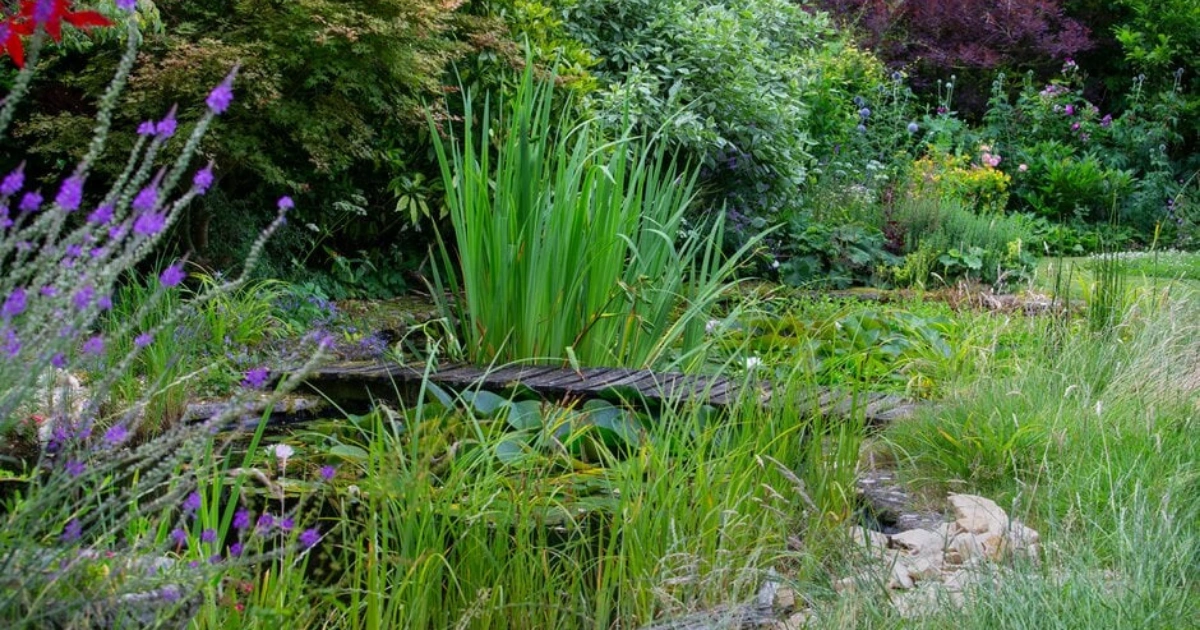
Primary Keyword: wildlife pond benefits
A well-designed wildlife pond can transform an ordinary garden into a thriving ecosystem filled with frogs, dragonflies, birds, and beneficial aquatic insects. Beyond their beauty, the many wildlife pond benefits include natural mosquito control, increased biodiversity, support for pollinators, and valuable habitat for countless species.
Contrary to popular belief, a healthy pond does not automatically become a mosquito breeding ground. In fact, when balanced correctly, a wildlife pond often helps reduce mosquito populations naturally through predator-prey relationships.
Whether you have a large backyard or a small naturalistic garden, creating a wildlife pond is one of the most impactful ways to support local ecosystems.
Why Wildlife Ponds Are Important
Natural wetlands have declined significantly worldwide due to urbanization, agriculture, and habitat fragmentation. Even small garden ponds can help compensate by providing essential resources for wildlife.
The many wildlife pond benefits include:
- Supporting amphibian populations
- Providing habitat for beneficial insects
- Encouraging birds and pollinators
- Improving local biodiversity
- Contributing to natural pest management
- Enhancing garden aesthetics
- Offering educational opportunities for families
A pond quickly becomes one of the most biologically active areas in a garden.
Can Wildlife Ponds Help Control Mosquitoes?
One of the most surprising wildlife pond benefits is their ability to reduce mosquito problems naturally.
Mosquitoes thrive in stagnant water lacking predators. Healthy ponds, however, support a variety of species that feed on mosquito larvae.
Natural Mosquito Predators Found in Wildlife Ponds
Several pond inhabitants help regulate mosquito populations, including:
- Dragonfly larvae
- Tadpoles (certain species)
- Small fish
- Aquatic insects
- Water beetles
These predators create a balanced ecosystem where mosquito larvae rarely reach problematic levels.
Dragonflies: The Garden’s Aerial Hunters
Dragonflies are among the most effective mosquito predators.
Dragonfly Larvae (Nymphs)
Before becoming flying adults, dragonflies spend months underwater as aquatic nymphs.
During this stage, they actively prey on:
- Mosquito larvae
- Small aquatic insects
- Tiny invertebrates
Adult Dragonflies
Adult dragonflies continue providing pest control by feeding on:
- Mosquitoes
- Gnats
- Small flying insects
Encouraging dragonflies is one of the greatest wildlife pond benefits for gardeners seeking natural solutions.
Frogs and Tadpoles: Essential Amphibian Allies
Frogs are valuable members of pond ecosystems.
Benefits of Adult Frogs
Adult frogs consume large numbers of garden pests, including:
- Mosquitoes
- Slugs
- Beetles
- Flies
- Various insects
Role of Tadpoles
Tadpoles contribute by:
- Grazing on algae
- Recycling nutrients
- Supporting aquatic food webs
Although tadpole diets vary by species, their presence often indicates a healthy aquatic environment.
Providing amphibian habitat is one of the most rewarding wildlife pond benefits.
The Importance of Pond Zones
A successful wildlife pond includes varying depths that accommodate different species.
Shallow Marginal Zone
The shallow edges support:
- Tadpoles
- Emergent plants
- Water striders
- Amphibian access points
This area also provides safe entry and exit routes for wildlife.
Deeper Water Zone
Deeper sections offer:
- Temperature stability
- Refuge during hot weather
- Habitat for fish and aquatic invertebrates
- Protection during winter in colder climates
Combining both zones increases ecological diversity.
Beneficial Pond Inhabitants
A balanced pond ecosystem supports numerous helpful organisms.
Water Striders
These fascinating insects glide across the water surface and help regulate populations of smaller aquatic organisms.
Freshwater Snails
Species such as ramshorn snails contribute by:
- Consuming decaying plant material
- Recycling nutrients
- Supporting food chains
Moderate snail populations are generally beneficial.
Freshwater Shrimp
Small freshwater shrimp assist with:
- Algae management
- Organic debris breakdown
- Maintaining water quality
They also serve as food sources for other wildlife.
Small Fish
Species such as minnows may help consume mosquito larvae.
However, gardeners should avoid introducing invasive fish species that may negatively affect amphibians.
Choosing Plants for a Wildlife Pond
Plants are essential for maximizing wildlife pond benefits.
They provide:
- Oxygen production
- Shelter for aquatic organisms
- Breeding habitat
- Shade that limits algae growth
Floating Plants
Examples include:
- Water lilies
- Frogbit
- Native floating vegetation
Benefits:
- Reduce sunlight penetration
- Provide resting sites for insects
- Offer protection for tadpoles
Submerged Oxygenating Plants
Common examples include:
- Hornwort (Ceratophyllum demersum)
- Anacharis (Egeria densa)
Benefits:
- Improve oxygen levels
- Absorb excess nutrients
- Support aquatic invertebrates
Marginal Plants
Plants around pond edges may include:
- Cattails
- Rushes
- Sedges
- Native moisture-loving perennials
These species provide valuable shelter for frogs and insects.
Birds and Wildlife Ponds
Birds quickly discover pond habitats.
A wildlife pond offers birds:
- Drinking water
- Bathing opportunities
- Access to insects for feeding young
Swallows, robins, and other insect-eating species contribute additional natural pest control.
Bird activity further enhances the overall wildlife pond benefits experienced by gardeners.
How to Create a Wildlife-Friendly Pond
Establishing a successful pond requires thoughtful planning.
Include Gradual Slopes
Sloping edges allow:
- Easy wildlife access
- Safe escape routes
- Habitat diversity
Avoid Chemicals
Pesticides and algaecides may harm:
- Amphibians
- Aquatic insects
- Beneficial microorganisms
Natural balance should remain the priority.
Provide Partial Shade
Some shade helps:
- Prevent overheating
- Limit excessive algae growth
- Support moisture-loving wildlife
Use Native Plants When Possible
Native species:
- Support regional biodiversity
- Require less maintenance
- Adapt better to local conditions
Common Mistakes to Avoid
To maximize wildlife pond benefits, avoid these frequent errors.
Overstocking Fish
Too many fish may reduce amphibian populations by consuming eggs and larvae.
Removing All Leaf Litter
Some organic matter supports natural food webs.
Moderate cleanup is preferable to excessive tidiness.
Using Chlorinated Water Directly
If filling a pond with tap water, allow chlorine to dissipate before introducing wildlife.
Maintaining Sterile Conditions
Wildlife ponds function best when natural ecological processes are allowed to occur.
Frequently Asked Questions About Wildlife Ponds
Do wildlife ponds attract mosquitoes?
Healthy ponds with predators such as dragonfly larvae and small fish often reduce mosquito populations rather than increase them.
What animals benefit most from wildlife ponds?
Frogs, dragonflies, birds, beneficial insects, freshwater invertebrates, and pollinators all benefit from pond habitats.
Do I need fish in a wildlife pond?
No. Many successful wildlife ponds thrive without fish, especially when supporting amphibians.
How deep should a wildlife pond be?
Including both shallow areas and deeper sections provides habitat diversity and improves ecological stability.
Are pond plants necessary?
Yes. Aquatic plants are essential for oxygenation, shelter, nutrient balance, and supporting wildlife.
Internal Linking Suggestions for Secretsofthegreengarden.com
Consider linking this article to related content using anchor text such as:
- How to Create a Toad-Friendly Garden
- Natural Ways to Control Mosquitoes in Your Backyard
- Best Plants for Supporting Pollinators and Wildlife
These internal links improve reader engagement and strengthen topical authority.
Recommended External Resources
For additional guidance on wildlife pond creation and conservation, consider referencing:
- The Wildlife Trusts – Garden Pond Advice: https://www.wildlifetrusts.org
- Royal Horticultural Society – Wildlife Pond Gardening: https://www.rhs.org.uk
- National Wildlife Federation – Certified Wildlife Habitat Program: https://www.nwf.org
These organizations provide evidence-based recommendations for creating wildlife-friendly landscapes.
Final Thoughts
The numerous wildlife pond benefits extend far beyond aesthetics. A thoughtfully designed pond supports frogs, dragonflies, birds, aquatic plants, and countless beneficial organisms that work together to create a balanced ecosystem.
Perhaps most importantly, wildlife ponds demonstrate that effective mosquito control does not require chemicals. By encouraging natural predators and promoting biodiversity, gardeners can enjoy healthier outdoor spaces that benefit both people and wildlife.
Even a small pond has the potential to become one of the most vibrant and ecologically valuable features in your garden.