
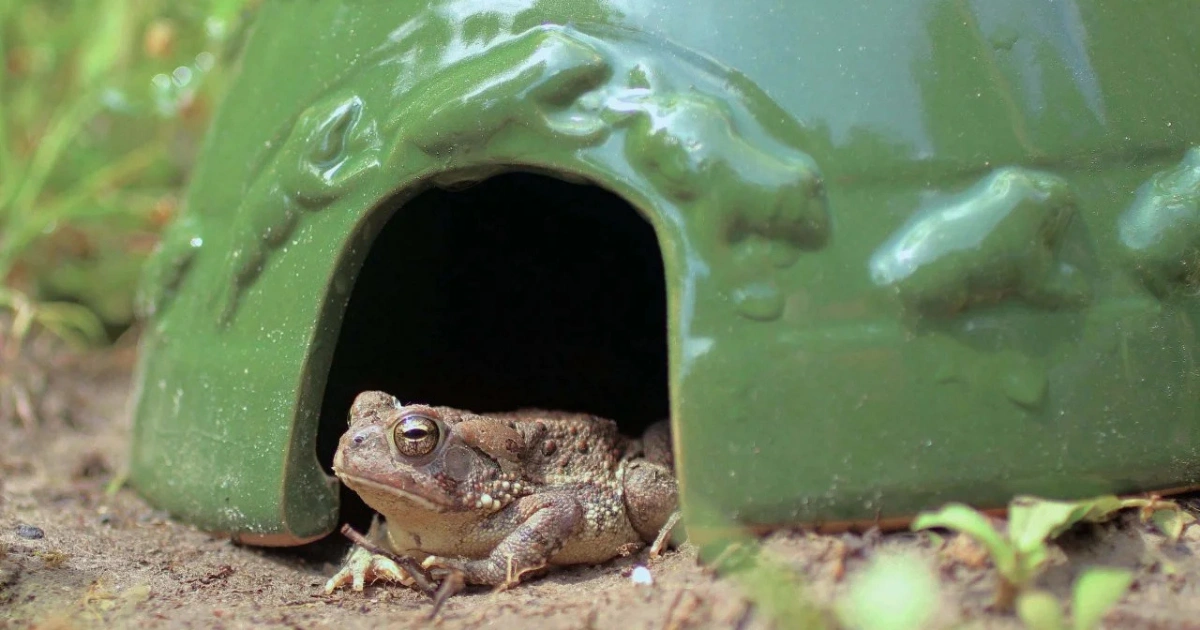
Primary Keyword: how to create a toad house
Garden toads are among the most effective natural allies for maintaining a healthy backyard ecosystem. These quiet amphibians spend their nights hunting slugs, snails, beetles, and other common garden pests, helping reduce the need for chemical treatments. One of the easiest ways to encourage these beneficial visitors is to learn how to create a toad house that provides shelter, moisture, and protection.
Building a simple toad refuge requires minimal materials, little time, and can significantly improve biodiversity in your garden. Whether you grow vegetables, flowers, or ornamental landscapes, creating a welcoming habitat for toads can support a more balanced and sustainable outdoor space.
Why Toads Are Valuable Garden Helpers
Toads play an important role in natural pest management. Unlike synthetic pesticides, they target pests without harming pollinators or disrupting the ecosystem.
A single garden toad can consume thousands of insects and other small invertebrates during the growing season, including:
- Slugs
- Snails
- Beetles
- Earwigs
- Ants
- Cutworms
- Various insect larvae
By encouraging toads to take up residence in your yard, you can support environmentally friendly pest control while promoting wildlife diversity.
Benefits of Creating a Toad House
Learning how to create a toad house offers advantages for both gardeners and local ecosystems.
Natural Pest Control
Toads provide ongoing pest management without relying on chemical insecticides.
Increased Biodiversity
Wildlife-friendly gardens support a variety of beneficial species, creating more resilient ecosystems.
Reduced Chemical Use
Encouraging natural predators may decrease the need for pesticides and slug-control products.
Educational Opportunities
Toad habitats provide an excellent opportunity for children and adults to observe native wildlife and learn about ecological relationships.
What Makes an Ideal Toad Habitat?
Toads require specific environmental conditions to thrive.
The ideal habitat should provide:
- Cool temperatures
- Consistent moisture
- Shelter from predators
- Easy access to food sources
- Protection from direct sunlight
A well-designed toad house replicates the sheltered environments toads naturally seek during the day.
Materials Needed to Build a Toad House
One of the best aspects of this project is its simplicity.
To create a basic toad shelter, you’ll need:
- An unglazed terracotta flower pot (approximately 8 inches or larger)
- Smooth stones or river pebbles
- Garden soil
- A small hand trowel
- Shallow water dish or saucer
- Leaf litter or surrounding vegetation
Unglazed pots work particularly well because they help maintain cooler temperatures and retain slight moisture levels.
Step-by-Step Guide: How to Create a Toad House
Follow these simple instructions to establish a safe refuge for your amphibian visitors.
Step 1: Choose the Right Location
Location is critical when learning how to create a toad house successfully.
Select an area that offers:
- Partial to full shade
- Protection from afternoon sun
- Naturally damp conditions
- Nearby vegetation for cover
Excellent locations include:
- Under shrubs
- Near hostas or ferns
- Along garden borders
- Close to compost areas
- Beside rain gardens
Avoid placing shelters in exposed, dry locations.
Step 2: Prepare the Ground
Toads prefer natural surfaces rather than hard materials.
Prepare the site by:
- Clearing grass or mulch from the selected area.
- Exposing bare soil beneath the shelter.
- Ensuring the ground remains slightly moist but not waterlogged.
Bare soil allows toads to burrow slightly if needed and helps maintain humidity.
Step 3: Position the Terracotta Pot
Lay the flower pot on its side to create a protected chamber.
If necessary:
- Prop the pot slightly open using flat stones.
- Ensure the entrance opening measures approximately 3 to 4 inches wide.
- Stabilize the pot to prevent movement.
The entrance should allow easy access while maintaining a secure interior environment.
Step 4: Add Moisture Sources
Toads absorb moisture through their skin, making hydration essential.
Place a shallow water source nearby, such as:
- A plant saucer
- A low-profile birdbath
- A shallow dish filled with clean water
Important safety tip:
Add small stones or pebbles inside water dishes to create escape routes for smaller wildlife.
Replace water regularly to maintain cleanliness.
Step 5: Surround the Shelter With Plants
Vegetation enhances the attractiveness of the habitat.
Suitable plants include:
- Ferns
- Hostas
- Native grasses
- Ground covers
- Shade-loving perennials
These plants provide:
- Additional shade
- Moisture retention
- Insect habitat
- Protection from predators
Dense planting encourages toads to remain in the area.
Additional Ways to Attract Toads to Your Garden
Creating a shelter is only part of the process.
To maximize success:
Avoid Chemical Pesticides
Many pesticides can harm amphibians directly or reduce their food supply.
Choose natural pest management strategies whenever possible.
Leave Leaf Litter in Some Areas
Toads use natural debris for protection and hunting.
Allow portions of your garden to remain slightly untidy.
Provide Diverse Habitat Features
Combine:
- Toad houses
- Water sources
- Dense vegetation
- Native plantings
Diverse habitats support multiple beneficial species.
Minimize Disturbance
Once toads establish themselves, avoid frequently moving shelters or disrupting their habitat.
Common Mistakes to Avoid When Creating a Toad House
Understanding these common errors improves your chances of success.
Using Glazed Pots
Glazed containers retain heat and may not regulate moisture as effectively as unglazed terracotta.
Placing Shelters in Full Sun
Excessive heat can cause dehydration and discourage occupancy.
Allowing Water Sources to Become Deep
Toads need shallow access to water.
Avoid containers that pose drowning risks.
Applying Chemicals Nearby
Fertilizers, pesticides, and herbicides may negatively affect amphibian health.
Why Toads Are Important for Ecosystem Health
Toads serve as indicators of environmental quality.
Healthy amphibian populations often reflect:
- Balanced ecosystems
- Clean water sources
- Reduced pollution levels
- Abundant insect diversity
Because amphibians possess permeable skin, they are particularly sensitive to environmental changes.
Supporting local toad populations contributes to broader conservation efforts.
Frequently Asked Questions About Toad Houses
What size should a toad house be?
A terracotta pot with a diameter of at least 8 inches generally provides sufficient space for most garden toads.
Do toad houses really work?
Yes. When placed in cool, moist, shaded locations, toad houses can provide valuable daytime shelter.
What attracts toads to a garden?
Toads are attracted by abundant insect populations, moisture, shelter, and the absence of harmful chemicals.
Should I put food inside a toad house?
No. Toads naturally hunt live insects and do not require supplemental feeding.
Can I move a toad if I find one elsewhere?
It is usually best to allow wild toads to relocate naturally rather than handling or transporting them unnecessarily.
Internal Linking Suggestions for Secretsofthegreengarden.com
Consider linking this article to related content using anchor texts such as:
- How to Encourage Beneficial Wildlife in Your Garden
- Natural Pest Control Methods That Actually Work
- Creating a Pollinator-Friendly Backyard Ecosystem
These internal links improve user engagement and strengthen topical relevance.
Recommended External Resources
For additional information about amphibian conservation and wildlife-friendly gardening, consider referencing:
- Amphibian Survival Alliance – Amphibian Conservation Resources: https://www.amphibians.org
- National Wildlife Federation – Wildlife Habitat Gardening: https://www.nwf.org
- FrogLife – Amphibian and Reptile Conservation Advice: https://www.froglife.org
These reputable organizations provide science-based guidance for supporting amphibian populations responsibly.
Final Thoughts
Learning how to create a toad house is a simple project that can deliver lasting benefits for both gardeners and local wildlife. By offering cool shelter, moisture, and safe habitat conditions, you encourage one of nature’s most effective pest-control specialists to become a regular visitor.
A thriving toad population reflects a healthy, balanced garden ecosystem. With minimal effort and a few inexpensive materials, you can help support biodiversity while reducing reliance on chemical pest management strategies. Sometimes, the best garden helpers arrive quietly and work after dark.