
Primary Keyword: borage benefits
With its brilliant star-shaped blue flowers, edible blossoms, and reputation as a companion planting powerhouse, borage (Borago officinalis) is one of the most versatile herbs gardeners can grow. Often called a “garden guardian,” this fast-growing annual offers benefits that extend far beyond its ornamental appeal.
From attracting pollinators to supporting neighboring crops, the many borage benefits make it a valuable addition to vegetable gardens, pollinator patches, and edible landscapes. Whether you’re growing tomatoes, strawberries, or squash, this traditional herb may help create a healthier and more productive garden ecosystem.
What Is Borage?
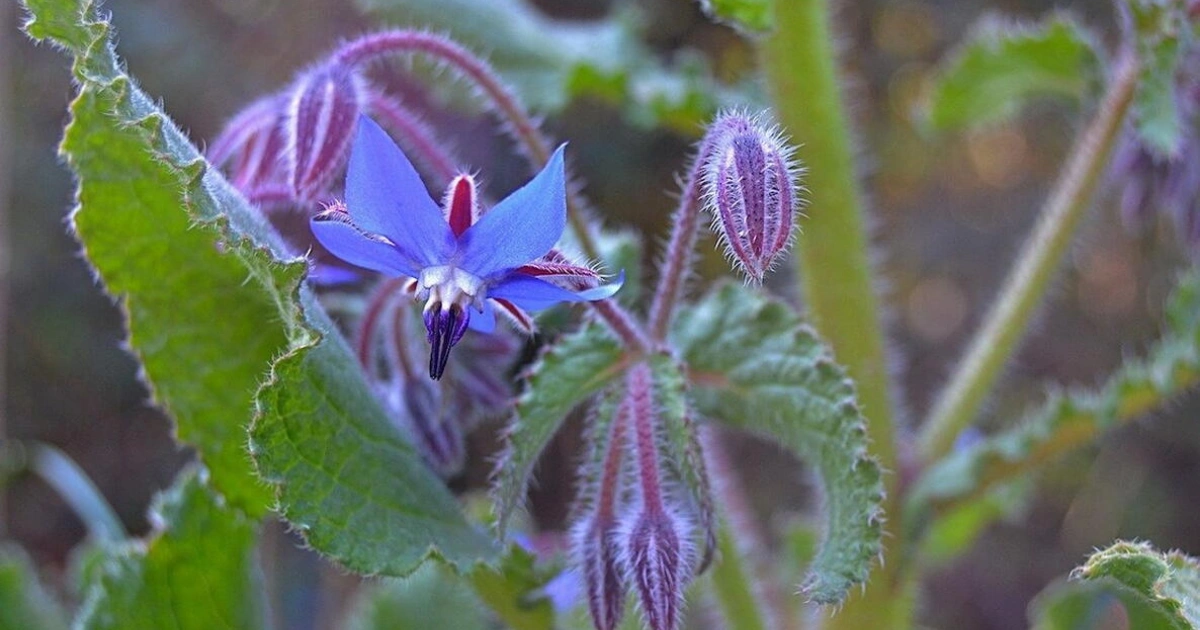
Borage (Borago officinalis) is an annual herb native to the Mediterranean region but widely cultivated around the world. It is easily recognized by:
- Bright blue, star-shaped flowers
- Soft, hairy leaves and stems
- Upright growth reaching 2–3 feet tall
- Extended blooming period from summer into autumn
Borage is prized for both its culinary uses and its ecological contributions to the garden.
Top Borage Benefits for Home Gardens
The growing popularity of borage stems from its ability to support multiple aspects of garden health simultaneously.
1. Borage Attracts Pollinators
One of the most significant borage benefits is its exceptional ability to attract pollinating insects.
Borage flowers produce abundant nectar, making them highly attractive to:
- Honeybees
- Bumblebees
- Native solitary bees
- Hoverflies
- Butterflies
Because borage blooms continuously over many months, it provides a dependable food source during periods when other plants may not be flowering.
Why Pollinators Matter
Pollinators contribute directly to improved yields in many crops, including:
- Tomatoes
- Squash
- Cucumbers
- Strawberries
- Peppers
Supporting pollinator populations helps strengthen overall garden productivity.
2. Borage Is an Excellent Companion Plant
Another important borage benefit involves its role in companion planting.
Many gardeners include borage near vegetables because it attracts beneficial insects that help maintain ecological balance.
Plants That Pair Well With Borage
Borage is commonly grown alongside:
Tomatoes
Some gardeners believe borage may help attract pollinators and beneficial insects that support tomato health.
Strawberries
Traditional companion planting practices often recommend borage near strawberries to encourage pollinator activity.
Squash and Cucumbers
The continuous blooms provide nectar resources that attract bees needed for successful fruit development.
Beneficial Insects Supported by Borage
Borage may attract insects such as:
- Predatory wasps
- Hoverflies
- Lacewings
- Lady beetles
These natural predators help regulate populations of common garden pests.
3. Borage Produces Edible Flowers
Beyond its ecological value, borage offers culinary appeal.
The striking blue petals are edible and possess a mild flavor often described as similar to cucumber.
Ways to Use Borage Flowers
Fresh borage blossoms can be added to:
- Salads
- Fruit dishes
- Desserts
- Herbal beverages
- Summer cocktails
- Ice cubes for decorative garnishes
The flowers add visual interest while contributing subtle flavor.
4. Young Borage Leaves Are Edible
Tender borage leaves have traditionally been used in various culinary preparations.
Their flavor resembles cucumber when harvested young.
Best Harvesting Practices
For the best texture:
- Harvest leaves while young and tender.
- Use before the natural hairiness becomes more pronounced.
- Wash thoroughly before preparation.
Some traditional recipes incorporate borage leaves into soups, salads, and cooked dishes.
Important Safety Considerations
Borage contains naturally occurring pyrrolizidine alkaloids, compounds that may present health concerns when consumed excessively.
Moderate Consumption Is Recommended
Most reputable horticultural and herbal sources advise:
- Enjoying borage occasionally rather than in large quantities.
- Consulting healthcare professionals before medicinal use.
- Exercising caution during pregnancy or breastfeeding.
Growing borage for pollinator support and ornamental value remains an excellent option regardless of culinary use.
5. Borage Self-Seeds Easily
Many gardeners appreciate borage for its ability to reseed naturally.
Once established, plants often return year after year with minimal effort.
Advantages of Self-Seeding
Natural reseeding can:
- Reduce annual planting costs
- Extend pollinator habitat
- Fill gaps in garden spaces
- Support sustainable gardening practices
Managing Self-Seeding
If volunteer seedlings become excessive:
- Remove unwanted plants while young.
- Deadhead flowers before seed production.
- Relocate seedlings to preferred areas.
This balance allows gardeners to maintain control while enjoying continuous blooms.
Growing Borage Successfully
Understanding proper growing conditions maximizes the many borage benefits available in the garden.
Sunlight Requirements
Borage performs best in:
- Full sun (6–8 hours daily)
- Light afternoon shade in very hot climates
Adequate sunlight encourages vigorous flowering.
Soil Preferences
Borage adapts to a range of soil conditions but prefers:
- Well-draining soils
- Moderate fertility
- Slightly acidic to neutral pH
Excessively rich soils may encourage leafy growth at the expense of flowers.
Watering Needs
Provide:
- Consistent moisture during establishment
- Moderate watering during dry periods
Once established, borage demonstrates reasonable drought tolerance.
How to Grow Borage From Seed
Borage is exceptionally easy to cultivate.
Direct Sowing Instructions
- Sow seeds outdoors after frost danger has passed.
- Plant seeds approximately ¼ to ½ inch deep.
- Space plants 12–18 inches apart.
- Keep soil lightly moist until germination.
Seedlings typically emerge within one to two weeks.
Because borage develops a taproot, direct sowing often produces the best results.
Additional Ecological Benefits of Borage
Beyond attracting pollinators, borage contributes positively to overall biodiversity.
Supports Beneficial Insect Diversity
Flower-rich gardens help maintain healthy populations of insects that contribute to:
- Pollination
- Natural pest control
- Ecosystem resilience
Enhances Garden Aesthetics
The vibrant blue flowers provide ornamental interest throughout much of the growing season.
Encourages Wildlife-Friendly Gardening
Including plants like borage promotes a more balanced approach to sustainable garden management.
Frequently Asked Questions About Borage Benefits
Is borage safe to eat?
Borage flowers and young leaves have traditionally been consumed in moderation. Due to naturally occurring alkaloids, excessive intake is not recommended.
Does borage really help tomatoes grow better?
While scientific evidence remains limited, many gardeners value borage for attracting pollinators and beneficial insects that support overall garden health.
Is borage perennial or annual?
Borage is generally grown as an annual, although it often reseeds readily and may return in subsequent seasons.
Do bees like borage?
Yes. Borage is widely regarded as one of the best nectar-producing plants for bees and other pollinators.
Does borage spread aggressively?
Borage self-seeds easily but is generally manageable through simple garden maintenance practices.
Internal Linking Suggestions for Secretsofthegreengarden.com
Consider linking this article to related content using anchor texts such as:
- Best Flowers to Attract Pollinators to Your Garden
- Companion Planting Strategies for Healthier Vegetables
- How to Create a Bee-Friendly Backyard Habitat
These internal links strengthen topical authority while encouraging readers to explore additional gardening resources.
Recommended External Resources
For evidence-based gardening and pollinator information, consider referencing:
- Royal Horticultural Society – Growing Herbs and Companion Plants: https://www.rhs.org.uk
- Xerces Society for Invertebrate Conservation – Pollinator Gardening Resources: https://www.xerces.org
- University of Minnesota Extension – Pollinator-Friendly Garden Practices: https://extension.umn.edu
These organizations provide science-based guidance for sustainable gardening and pollinator conservation.
Final Thoughts
The numerous borage benefits make this remarkable herb one of the most valuable plants for home gardens. Its ability to attract pollinators, support companion planting systems, provide edible flowers, and reseed naturally contributes to healthier and more resilient garden ecosystems.
Whether you’re cultivating tomatoes, encouraging bee populations, or simply adding beauty to your landscape, borage offers a practical and rewarding solution. By including this versatile herb in your garden plans, you can support biodiversity while enjoying one of nature’s most charming flowering plants.