
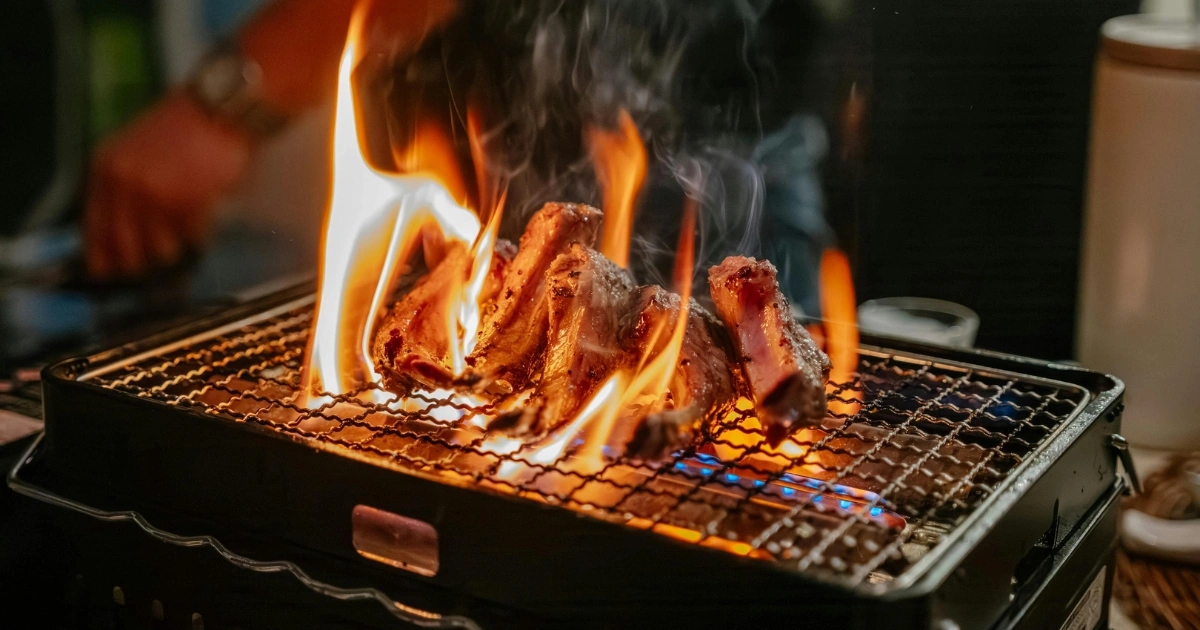
Grilling and smoking food can deliver irresistible flavors, but cooking at high temperatures can create potentially harmful compounds that pose health risks. By understanding how these chemicals form and implementing simple strategies, you can enjoy grilled meats and vegetables while minimizing exposure.
Understanding Harmful Compounds in Grilled Foods
When food is exposed to high heat, two primary chemical groups can form:
Polycyclic Aromatic Hydrocarbons (PAHs)
PAHs develop when fat and juices from meat drip onto an open flame, causing flare-ups and smoke. These compounds then settle on the food surface. High levels of PAHs have been linked to DNA damage and an increased risk of certain cancers.
Heterocyclic Amines (HCAs)
HCAs form when amino acids and creatine in muscle meats react at high temperatures, particularly on charred or well-done surfaces. Studies suggest that excessive intake of HCAs may contribute to carcinogenic activity in humans.
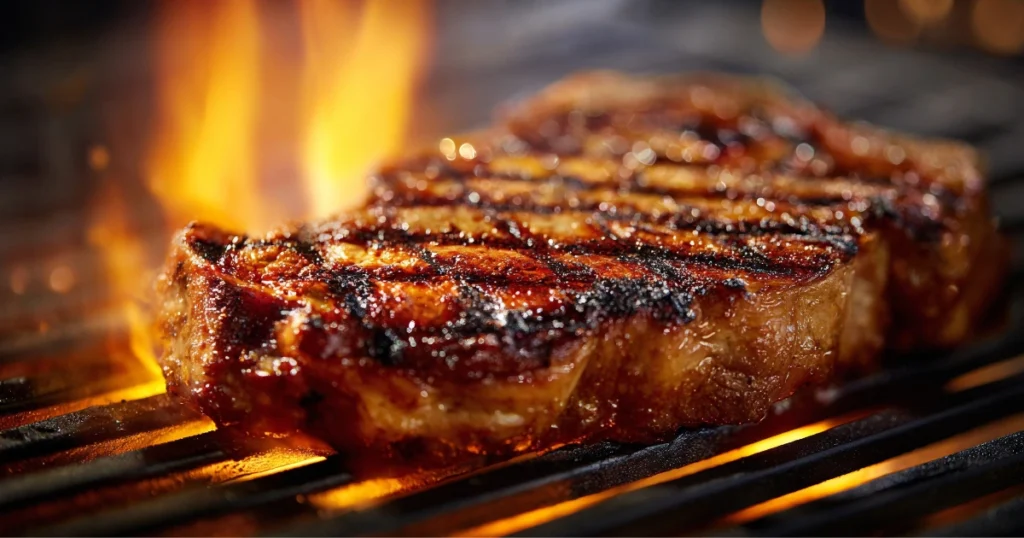
Effective Strategies for Safer Grilling
1. Avoid Direct Flames
Keeping meat and vegetables away from direct contact with open flames reduces PAH formation. Using a grill basket or placing food on a higher rack can significantly lower exposure.
2. Use Indirect Heat
Cooking over indirect heat allows food to cook thoroughly without excessive charring. This method is especially effective for thicker cuts of meat and whole poultry, ensuring even cooking while reducing chemical formation.
3. Marinate Foods
Acidic marinades, such as those containing lemon juice, vinegar, or yogurt, can lower PAH levels. Marinades with herbs and spices not only enhance flavor but also provide antioxidants that combat harmful compounds.
4. Avoid Over-Charring
Remove charred sections of meat before eating. Charring increases HCAs, so trimming blackened edges is a practical way to reduce potential risks.
5. Control Cooking Temperatures
High flames generate more PAHs and HCAs. Monitoring your grill and maintaining medium to medium-high heat prevents excessive burning and keeps chemical formation at safer levels.
6. Pre-Cook When Possible
Partially cooking meat in an oven or microwave before grilling reduces the time it is exposed to high temperatures. This approach minimizes chemical formation while still achieving a smoky, grilled flavor.
Foods That Are Safer to Grill
- Vegetables: Naturally lower in proteins and fats, they produce fewer HCAs and PAHs. Use foil or grill baskets to protect delicate vegetables.
- Seafood: Fish and shellfish cook quickly at lower temperatures, reducing chemical formation. Consider wrapping in foil with herbs and citrus.
- Lean Cuts of Meat: Less fat reduces flare-ups, which decreases PAH exposure.
Additional Tips for Health-Conscious Grilling
- Clean Your Grill: Remove old grease and char residue to prevent additional smoke and chemical contamination.
- Turn Frequently: Flipping food more often reduces the chance of excessive charring on any one side.
- Incorporate Herbs: Rosemary, thyme, and other herbs in marinades can reduce HCA formation while boosting flavor.
- Use a Drip Pan: Catching fat drips minimizes smoke and subsequent PAH transfer to food.
FAQ About Grilling Safety
Q1: Are grilled vegetables safe to eat?
Vegetables produce far fewer harmful compounds than meats. Using moderate heat and avoiding charring makes them even safer.
Q2: Does marinating really reduce harmful chemicals?
Yes. Studies show acidic and antioxidant-rich marinades significantly lower PAH and HCA levels in grilled meat.
Q3: Is it safer to grill at lower temperatures?
Absolutely. Medium to medium-high heat reduces the formation of carcinogenic compounds while still providing great flavor.
Q4: Can removing charred parts completely eliminate risks?
Trimming charred areas reduces HCAs and PAHs but does not entirely remove all potential compounds. Combine with other strategies for best results.
Q5: Are there safer alternatives to charcoal grilling?
Gas grills, electric smokers, and indoor grilling methods generally produce fewer PAHs and HCAs than charcoal, particularly when combined with indirect heat.