
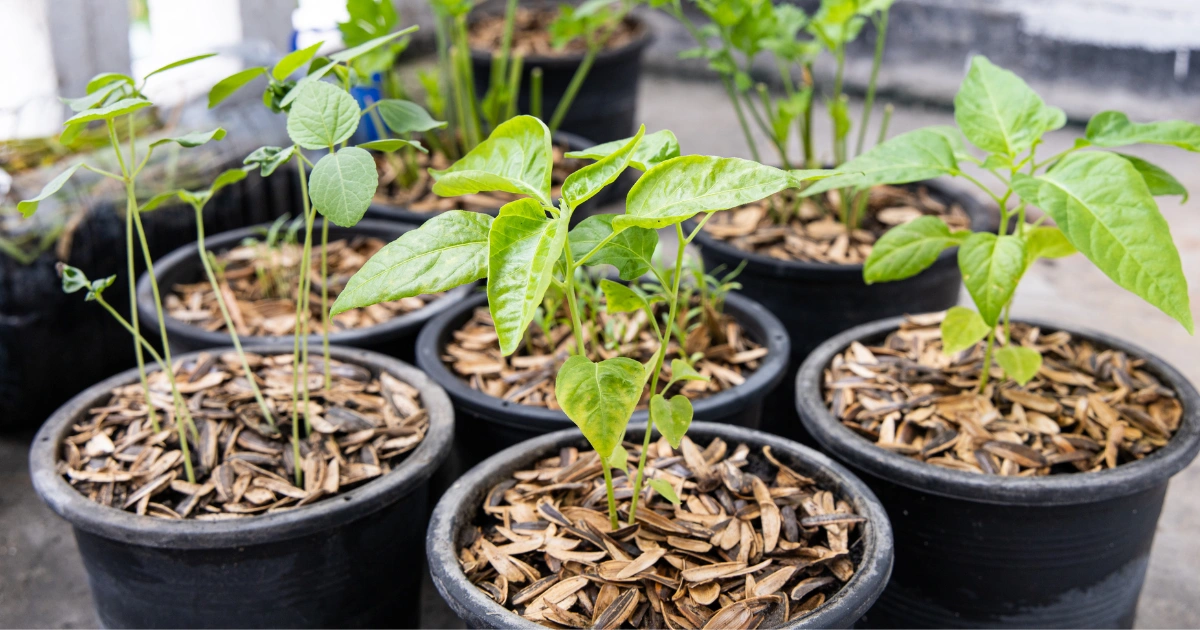
The landscape of American residential yards is undergoing a profound shift in 2026. Homeowners and municipalities alike are increasingly replacing traditional grass lawns with diverse native plantings. This movement, often referred to as the native plant revolution, not only enhances biodiversity but also supports pollinator populations and improves environmental resilience. This article explores the trends, incentives, and ecological benefits driving this shift.
From Plain Grass to Native Plant Diversity
Traditional monoculture lawns dominated by plain grass have long been a staple in American landscaping. While visually uniform, these lawns offer limited ecological benefits. Native plant landscaping, by contrast, introduces a variety of wildflowers, grasses, and shrubs adapted to local conditions. This approach:
- Increases biodiversity, supporting insects, birds, and small mammals.
- Improves drought resistance, as native species require less supplemental watering.
- Enhances soil health through deeper root systems and organic matter accumulation.
- Creates natural habitats for pollinators, such as bees and butterflies.
Replacing a conventional grass lawn with a diverse native garden is both environmentally and aesthetically beneficial. Homeowners can now enjoy colorful, seasonally dynamic landscapes while contributing to ecological health.
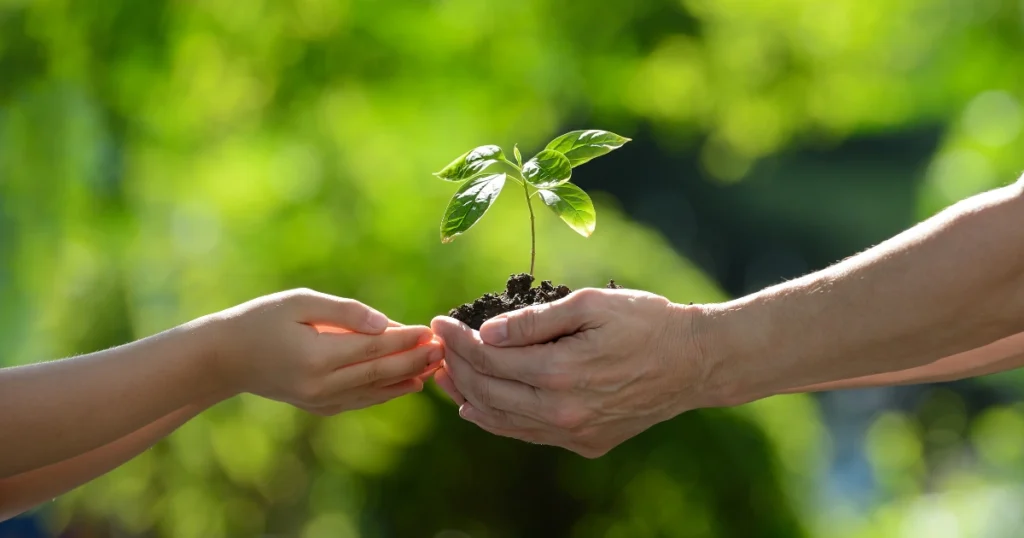
Municipal Policy Shifts Encourage Change
Municipal codes are increasingly adapting to support the native plant revolution. Many cities have relaxed or removed strict grass lawn requirements, allowing homeowners greater flexibility in landscaping. For example:
- Cities across the United States are updating ordinances to permit native plant gardens.
- Regulatory revisions promote environmentally friendly landscaping practices.
- Homeowners can now align with local conservation goals without facing penalties.
These policy changes have been instrumental in encouraging residents to adopt sustainable, native-based landscaping.
Lawn Replacement Incentives
State and local governments are offering financial and practical incentives to support homeowners transitioning from grass lawns to native plants. Key programs include:
- New Jersey Lawn Replacement Incentives: Subsidies for converting conventional lawns to native plantings.
- California Incentive Programs: Grants and tax benefits for reducing turf and increasing biodiversity.
- Colorado Prairie Restoration Initiatives: Financial support for planting native grasses and pollinator-friendly vegetation.
These programs lower barriers for homeowners, making the switch to native plants both affordable and appealing.
Native Plant Nurseries See Record Growth
With growing public interest, native plant nurseries have experienced significant sales increases. Between 2025 and 2026, sales of native plants surged by nearly 47%. This growth reflects:
- A rising awareness of pollinator needs.
- Increased demand for drought-tolerant landscapes.
- The popularity of environmentally conscious yard design.
The expanding availability of native plants makes it easier than ever for homeowners to transition from traditional lawns.
Benefits to Pollinator Ecosystems
Native plant landscaping plays a critical role in supporting pollinator populations. Pollinators, including bees, butterflies, and hummingbirds, are essential for maintaining biodiversity and supporting food production. Key advantages include:
- Providing nectar-rich resources year-round.
- Enhancing habitat diversity for insects and small wildlife.
- Supporting ecosystem services, such as nutrient cycling and soil health.
Homeowners who plant native species contribute directly to the health of local ecosystems.
Environmental and Aesthetic Advantages
Beyond ecological benefits, native plant gardens offer practical and aesthetic rewards:
- Reduced water consumption due to drought-adapted plants.
- Less lawn maintenance, as native plants require fewer fertilizers and mowing.
- Enhanced visual appeal, with seasonal blooms and diverse textures.
- Support for climate resilience, as native species are more resistant to extreme weather.
This combination of beauty and sustainability is transforming public perception of what a backyard can be.
Implementing Native Plant Landscaping
To successfully implement a native plant yard, homeowners should consider:
- Assessing Sunlight and Soil Conditions: Choose species adapted to local microclimates.
- Selecting Pollinator-Friendly Plants: Incorporate flowering species that attract bees, butterflies, and birds.
- Maintaining Diversity: Mix grasses, wildflowers, and shrubs for maximum ecological benefit.
- Using Mulch and Native Groundcovers: Reduce erosion and water loss.
- Monitoring and Adjusting: Observe plant growth and pollinator activity to optimize ecosystem function.
Consulting local native plant societies or extension services can provide additional guidance for effective planting strategies.
Frequently Asked Questions
Q1: Why are native plants better than traditional lawns?
Native plants are adapted to local conditions, requiring less water and maintenance, while supporting biodiversity and pollinators.
Q2: How do native gardens impact water usage?
Native species typically need less irrigation due to their resilience to local climate, reducing water consumption significantly.
Q3: Can I still have a lawn if I use native plants?
Yes. Homeowners can design a mixed landscape combining small turf areas with native flower and grass zones.
Q4: What are the economic incentives for planting native species?
Many states and municipalities provide grants, tax rebates, and cost-sharing programs for converting lawns to native plantings.
Q5: How quickly do native gardens benefit pollinators?
Pollinators can start visiting within the first growing season, with ecosystem benefits increasing as plant diversity matures.