
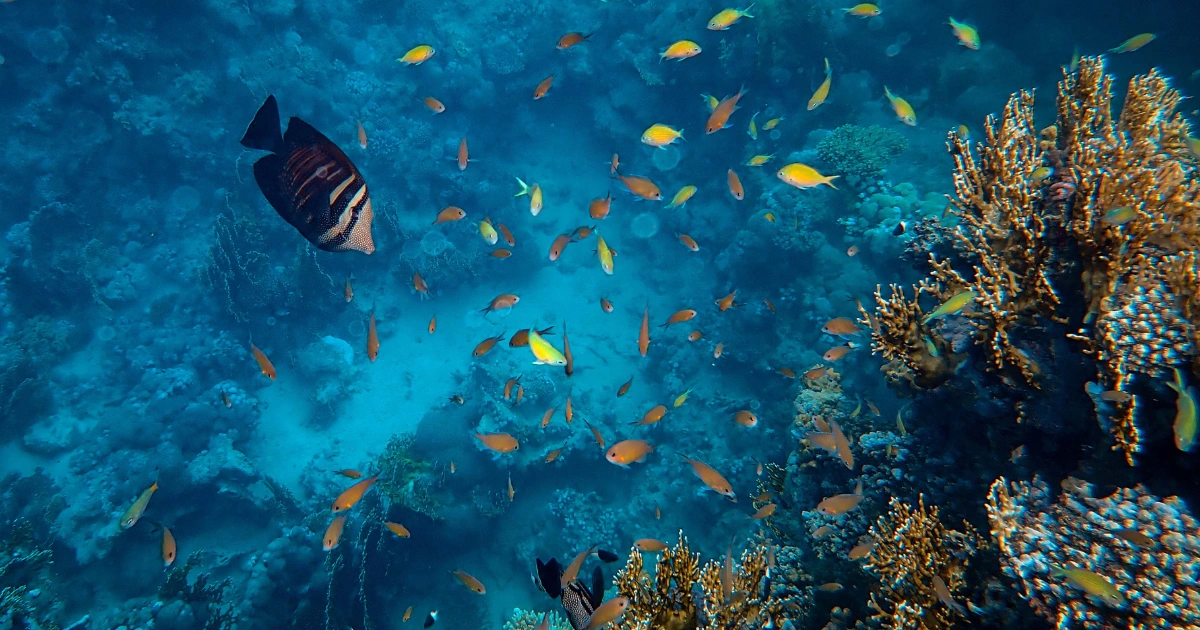
The deep sea is one of the least explored regions on Earth, and recent discoveries are revealing an astonishing array of life forms that thrive where sunlight cannot penetrate. These newly identified species have evolved unique adaptations to survive in extreme conditions, providing scientists with valuable insights into evolution, bioluminescence, and biodiversity in one of the planet’s harshest habitats.
Unusual Bioluminescence in Deep-Sea Creatures
One of the most striking features of newly discovered deep-sea species is their bioluminescence. Some organisms emit vivid blue-green and red light against the pitch-black waters of the ocean depths. This luminescence is not merely for show; it serves several critical functions, including:
- Attracting prey: Light can lure smaller creatures toward predators.
- Communication: Certain species use light to signal potential mates or rivals.
- Camouflage: Counter-illumination helps animals blend with faint light from above, hiding them from predators.
For instance, the Crocus stamen insect and other newly discovered bioluminescent species exhibit this glowing feature, highlighting the evolutionary importance of light production even in complete darkness.
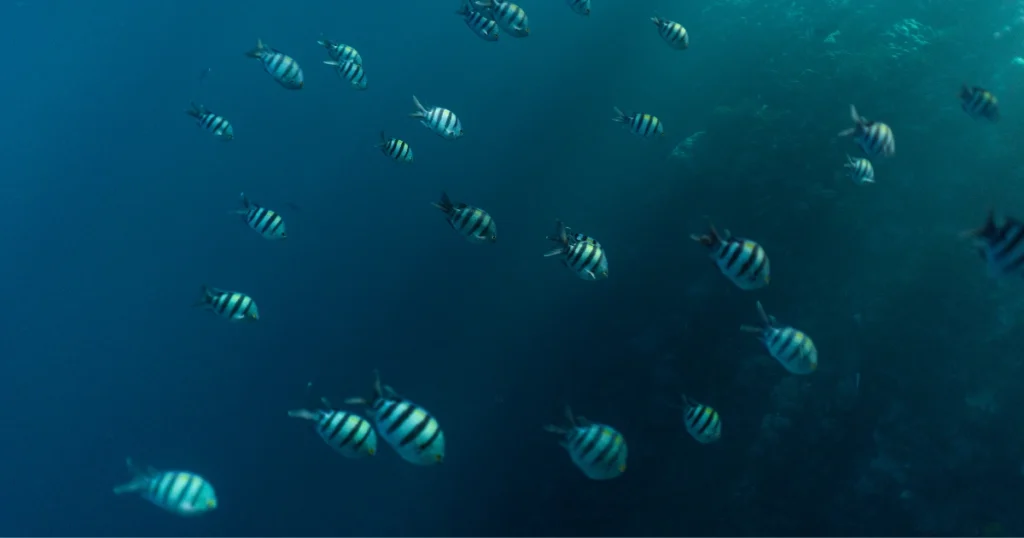
Complex Deep-Sea Forms: Anatomy and Adaptations
Deep-sea animals are not just unique in color but also in their body structure. Researchers have documented complex forms that include:
- Bilateral symmetry for efficient movement.
- Segmented bodies that allow flexibility and adaptability to underwater currents.
- Advanced sensory organs to detect prey and predators.
- Specialized digestive cavities to process scarce food sources.
These adaptations demonstrate that life at extreme depths has evolved sophisticated mechanisms, often more advanced than previously believed, to survive in an environment with high pressure, low temperatures, and minimal food availability.
Evolutionary Timeline and Species Complexity
The evolutionary history of these deep-sea organisms suggests that complex life emerged 20–30 million years earlier than once thought. Modern deep-sea discoveries have forced scientists to revise their timelines, showing that these species’ morphological and behavioral traits evolved far earlier, reflecting advanced ecological and evolutionary strategies.
Comparison with Other Planets: Deep Sea vs. Mars
Exploring deep-sea life offers more than ecological insights—it also provides a frame of reference for astrobiology. Approximately 60% of the Earth’s surface is covered by deep oceans, areas far less explored than the surface of Mars. Studying deep-sea creatures helps scientists understand how life might adapt in extreme extraterrestrial environments. The controlled exploration of Earth’s oceans, combined with morphological and ecological analysis, provides analogs for potential life on other planets.
Key Features of Newly Discovered Species
Scientists emphasize the following traits in these remarkable animals:
- Bioluminescence for hunting, communication, or camouflage.
- Unique appendages adapted for survival in high-pressure environments.
- Advanced sensory organs that provide environmental awareness despite darkness.
- Segmented body structures for mobility and feeding efficiency.
These characteristics highlight the evolutionary ingenuity and resilience of life in extreme habitats.
Implications for Science and Conservation
Discovering these species underscores the importance of conserving the deep-sea ecosystem. With human activities such as deep-sea mining, pollution, and climate change, these fragile environments face unprecedented threats. Preserving deep-sea habitats is essential to maintaining biodiversity and allowing continued scientific discovery.
Moreover, these organisms offer potential insights into biotechnology, biochemistry, and evolutionary biology. The enzymes and compounds found in deep-sea species may inspire new materials, pharmaceuticals, and techniques for sustainable human use.
Conclusion
The exploration of deep-sea environments is unveiling creatures that challenge our understanding of life. From bioluminescent insects to highly specialized organisms with complex anatomies, these discoveries illustrate that life adapts in extraordinary ways. Continued research into these ecosystems not only expands our knowledge of Earth’s biodiversity but also informs conservation strategies and offers analogs for understanding life beyond our planet.