
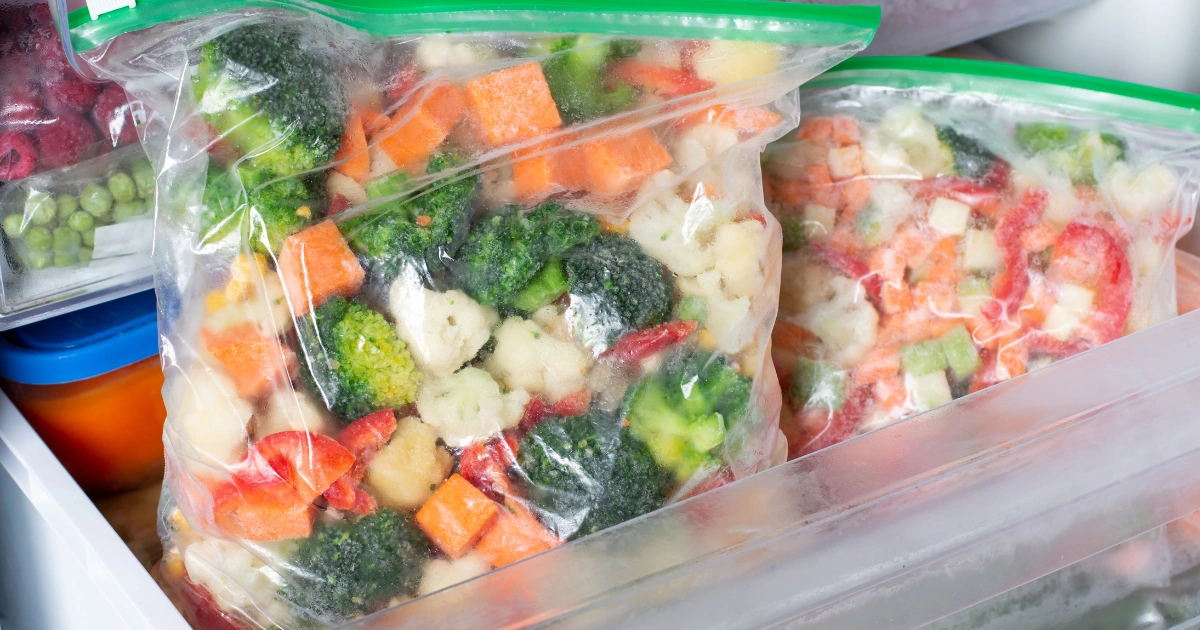
Efficient meal prep can transform your weekly routine, saving both time and stress. The freezer meal system is a revolutionary approach that allows you to prepare up to 14 complete meals in just three hours. By organizing ingredients and using proper storage techniques, you can ensure delicious, home-cooked meals are always available, even on the busiest nights.
Understanding the Freezer Meal Method
The core principle of the freezer meal system is batch cooking. Instead of preparing each meal individually, you cook components in bulk and assemble them into individual portions for freezing. This method leverages consistency, reducing waste while maximizing variety.
Key components of the system include:
- Batch Cooking Proteins: Cook proteins like chicken, beef, or tofu in large quantities and portion them into separate containers.
- Prepping Grains and Vegetables: Cook grains such as rice or quinoa and lightly steam vegetables, keeping them ready for quick assembly.
- Creating Sauce Bases: Make sauces in bulk, from pasta sauces to curry bases, ensuring flavor consistency across meals.
The Five Freezer Meal Categories
To maintain organization and simplify meal prep, categorize meals into five primary groups:
- Soups and Stews: Perfect for hearty, ready-to-eat options.
- Marinated Raw Proteins: Meats or plant-based proteins marinated for easy cooking.
- Cooked Grains in Portions: Rice, quinoa, or pasta pre-portioned for convenience.
- Sauce Bases: Tomato sauce, curry, or other bases that can be paired with proteins and grains.
- Fully Assembled Meals: Complete meals ready to be reheated and served.
Step-by-Step Freezer Meal Prep
Follow these steps to maximize efficiency and quality:
- Organize Ingredients: Gather all proteins, grains, vegetables, and sauces. Label containers and bags to avoid confusion.
- Cook Proteins in Bulk: Roast, grill, or sauté your proteins. Cool them quickly to maintain freshness.
- Prepare Grains and Vegetables: Cook grains and lightly blanch vegetables to retain nutrients and texture.
- Divide and Package: Portion proteins, grains, and sauces into individual freezer-safe bags or containers.
- Stack Strategically: Use the flat freezing method. Lay bags flat on a tray to freeze individually before stacking them like files to save space.
Time Investment vs. Reward
A typical three-hour prep session can yield up to 14 meals. This saves hours of cooking throughout the week and reduces reliance on takeout. The system not only saves time but also helps maintain a balanced diet by controlling portions and ingredients.
Tips for Optimal Freezer Meal Success
- Label Everything: Include cooking instructions and dates on each container.
- Use Quality Containers: Freezer-safe, airtight containers prevent freezer burn and maintain flavor.
- Rotate Meals: Consume older meals first to ensure freshness and variety.
- Avoid Overpacking: Leave space in containers for expansion as liquids freeze.
FAQ About Freezer Meal Systems
Q1: How long can meals be safely stored in the freezer?
A: Most meals remain safe for 2–3 months if stored properly in airtight containers.
Q2: Can vegetables freeze without losing nutrients?
A: Lightly blanching vegetables before freezing preserves most nutrients and texture.
Q3: Are freezer meals suitable for all diets?
A: Yes, you can tailor ingredients for vegetarian, vegan, keto, or low-carb diets.
Q4: Do I need to thaw meals before reheating?
A: Many meals can be reheated directly from frozen, though some proteins benefit from partial thawing.
Q5: How do I prevent freezer burn?
A: Use vacuum-sealed or tightly sealed containers, remove excess air, and maintain consistent freezer temperatures.