
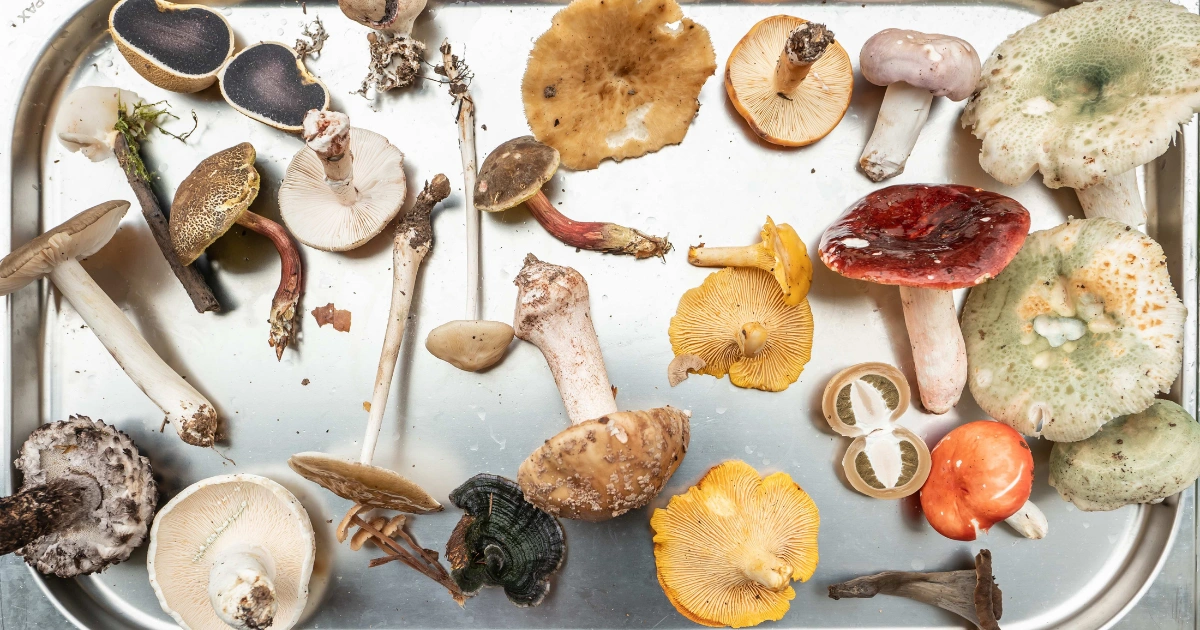
Wild mushroom foraging has become increasingly popular among nature enthusiasts, home cooks, and outdoor adventurers. However, mushroom identification can be extremely dangerous because some edible species closely resemble toxic or even deadly mushrooms.
A single identification mistake may lead to severe poisoning, organ failure, or death. While visual guides can help people understand general differences between species, no image or article should ever replace expert identification.
In this guide, we explore several well-known edible mushrooms alongside dangerous toxic lookalikes, explain the key visual differences, and highlight critical mushroom safety principles for beginners.
Why Mushroom Identification Is So Dangerous
Many poisonous mushrooms closely imitate edible species. Some toxic varieties even look nearly identical to safe mushrooms during certain growth stages.
Risks of Misidentification
Mistaken identification may result in:
- Severe digestive illness
- Liver failure
- Kidney damage
- Neurological symptoms
- Fatal poisoning
Even experienced foragers exercise extreme caution because environmental conditions can alter mushroom appearance.
Never Rely on a Single Visual Clue
Safe mushroom identification requires evaluating multiple characteristics together.
Important Identification Factors
Experts examine:
- Cap shape and color
- Gills or pores
- Stem texture
- Spore print color
- Smell
- Bruising reactions
- Habitat
- Season
- Growth patterns
One feature alone is never enough for reliable identification.
Porcini vs Satan’s Bolete
Porcini mushrooms are highly prized edible mushrooms, but some toxic boletes can resemble them.
Porcini (King Bolete)
Porcini mushrooms typically have:
- Brown caps
- Thick pale stems
- Sponge-like pores instead of gills
They are widely used in cooking because of their rich flavor.
Habitat
Porcini often grow near:
- Pine trees
- Spruce forests
- Hardwood forests
Satan’s Bolete
Satan’s Bolete is considered toxic and should never be eaten.
Warning Features
This mushroom may display:
- Pale or whitish cap
- Red pores underneath
- Bulbous stem with reddish coloration
Digestive symptoms from toxic boletes can be severe.
Chanterelle vs False Chanterelle
Chanterelles are among the most popular wild edible mushrooms worldwide.
Chanterelle
True chanterelles usually feature:
- Golden-yellow color
- Wavy caps
- Blunt ridges instead of sharp gills
They often smell fruity or apricot-like.
Habitat
Chanterelles commonly grow in:
- Mossy forests
- Hardwood woodlands
- Conifer forests
False Chanterelle
False chanterelles can resemble edible chanterelles but differ in important ways.
Distinguishing Features
False chanterelles often have:
- Bright orange coloration
- Thin true gills
- More delicate stems
Some people experience digestive issues after consuming them.
Caesar’s Mushroom vs Death Cap
This comparison is especially important because Death Caps are among the deadliest mushrooms in the world.
Caesar’s Mushroom
Caesar’s mushrooms are edible in some regions and are recognized by:
- Bright orange caps
- Yellow gills
- Cup-like base structure
Caution
Even edible Amanita species are dangerous for beginners to identify because deadly relatives exist.
Death Cap
The Death Cap contains deadly toxins that attack the liver.
Key Characteristics
Death Caps commonly feature:
- Olive-green cap
- White gills
- White stem
- Volva (cup-like base)
- Ring around the stem
Why Death Caps Are So Dangerous
Symptoms may appear delayed for several hours, which can create false reassurance before severe organ damage begins.
Immediate emergency medical treatment is critical if exposure is suspected.
Parasol Mushroom vs Deadly Dapperling
Large parasol mushrooms are edible for some experienced foragers, but toxic lookalikes exist.
Parasol Mushroom
Parasol mushrooms are generally identified by:
- Tall stems
- Large scaly caps
- Movable ring around the stem
They often grow in grassy areas and open fields.
Deadly Dapperling
Several small dapperling mushrooms contain highly dangerous toxins.
Warning Features
Toxic dapperlings may have:
- Smaller brown caps
- Slender stems
- White gills
Some species contain toxins similar to those found in Death Caps.
Why Beginner Foragers Should Be Extremely Careful
Many mushroom poisonings happen because beginners rely only on photos or social media comparisons.
Common Foraging Mistakes
- Assuming color guarantees safety
- Ignoring spore prints
- Overlooking toxic lookalikes
- Trusting unverified online advice
- Eating mushrooms without expert confirmation
Environmental conditions can significantly alter mushroom appearance.
What To Do If Mushroom Poisoning Is Suspected
Mushroom poisoning should always be treated as a medical emergency.
Immediate Steps
If poisoning is suspected:
- Seek emergency medical care immediately
- Save mushroom samples if possible
- Record time of ingestion
- Do not wait for symptoms to worsen
Early treatment improves survival chances significantly.
Safe Mushroom Foraging Tips
Responsible foraging requires patience and education.
Safety Guidelines
- Learn from experienced experts
- Use multiple field guides
- Join local mycology groups
- Never eat unidentified mushrooms
- Avoid damaged or old specimens
When uncertainty exists, do not consume the mushroom.
The Importance of Mycology Education
Mycology is the scientific study of fungi.
Why Mushroom Education Matters
Learning about fungi helps people:
- Understand ecosystems
- Avoid dangerous species
- Appreciate biodiversity
- Practice sustainable foraging
Fungi play essential ecological roles in forests and soil health.
Why Some Mushrooms Are Toxic
Toxic mushrooms produce chemical compounds that defend them from predators.
Types of Mushroom Toxins
Some toxins affect:
- The liver
- Kidneys
- Nervous system
- Digestive tract
Different species contain different toxins with varying effects.
Mushroom Foraging and Sustainability
Responsible harvesting protects ecosystems.
Ethical Foraging Practices
- Harvest only what you need
- Avoid damaging surrounding habitat
- Leave immature mushrooms behind
- Respect local regulations
Healthy fungal populations support forest ecosystems and plant health.
FAQ
Can edible mushrooms have poisonous lookalikes?
Yes. Many edible mushrooms closely resemble toxic species.
What is the deadliest mushroom shown here?
The Death Cap is considered one of the world’s deadliest mushrooms.
Are visual guides enough for safe identification?
No. Proper identification requires examining multiple characteristics and often expert verification.
Why are chanterelles different from false chanterelles?
True chanterelles have blunt ridges rather than thin true gills.
What should I do if I accidentally eat a wild mushroom?
Seek emergency medical attention immediately and keep mushroom samples if possible.
Final Thoughts
Wild mushrooms are fascinating and ecologically important organisms, but mushroom identification carries serious risks. Many edible species have dangerous toxic lookalikes that can fool even experienced foragers under certain conditions.
Learning the visual differences between mushrooms is valuable for education, but safety should always come first. No photograph, infographic, or online article can fully replace hands-on training and expert confirmation.
When it comes to wild mushrooms, caution saves lives. If there is any doubt at all, do not pick or eat the mushroom.
Suggested Internal Links for secretsofthegreengarden.com
- Beginner’s Guide to Safe Nature Foraging
- How Forest Ecosystems Depend on Fungi
- Common Wild Plants and Fungi You Should Never Eat
Backbiome is an advanced daily wellness supplement formulated to help support spinal comfort, reduce feelings of built-up tension, and promote freer, smoother movement throughout backbiome everyday life.
Boostaro is a modern men’s wellness boostaro formula created to support daily vitality, stamina, and confidence through a practical, natural routine.