
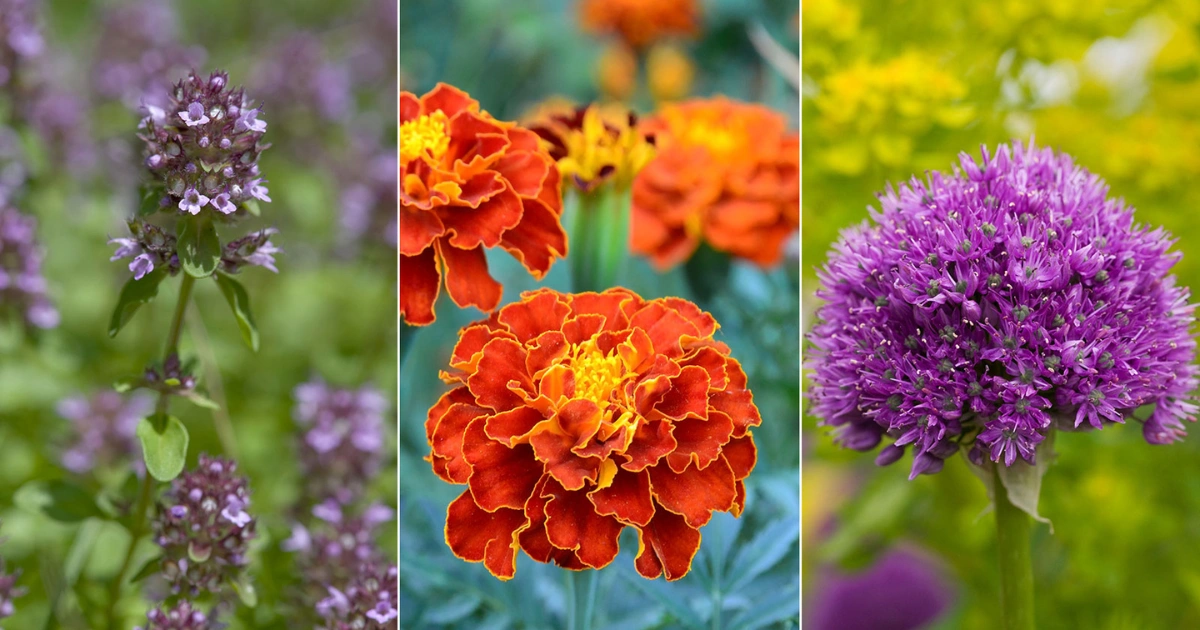
Many gardeners and homeowners look for natural ways to keep insects away without relying heavily on chemical sprays. Fortunately, several plants contain strong natural oils and aromatic compounds that may help discourage mosquitoes, flies, ants, gnats, beetles, and other unwanted pests.
Using insect-repelling plants around patios, windows, balconies, vegetable gardens, and entryways can create a healthier and more pleasant outdoor environment while supporting pollinators and biodiversity.
In this guide, you will discover some of the best plants that naturally repel insects, how they work, and the best ways to use them effectively in your home and garden.
Why Certain Plants Repel Insects
Many herbs and flowering plants produce essential oils and strong fragrances as natural defense mechanisms. These scents may confuse or discourage insects searching for food, breeding sites, or hosts.
Natural Compounds Found in Repellent Plants
Common plant compounds include:
- Citronellal
- Linalool
- Menthol
- Geraniol
- Eugenol
These natural oils are widely studied for their insect-repelling properties.
While plants alone may not completely eliminate pests, they can help reduce insect activity when combined with good garden maintenance.
Basil: A Useful Herb Against Flies and Mosquitoes
Basil is one of the most practical culinary herbs for natural pest control.
Why Basil Helps Repel Insects
The strong aroma of basil may help discourage:
- Flies
- Mosquitoes
Basil grows well in:
- Kitchen windows
- Patio containers
- Vegetable gardens
Growing Tips for Basil
Basil prefers:
- Warm temperatures
- Full sunlight
- Regular watering
- Well-draining soil
Frequent harvesting encourages bushier growth and stronger fragrance.
Marigolds: Bright Flowers With Protective Benefits
Marigolds are popular companion plants in vegetable gardens because of their strong scent and vibrant blooms.
Insects Marigolds May Discourage
Marigolds are commonly associated with repelling:
- Gnats
- Flies
- Certain garden pests
Why Gardeners Love Marigolds
Benefits include:
- Easy maintenance
- Long flowering season
- Pollinator attraction
- Decorative color
Planting marigolds near vegetables is a common organic gardening practice.
Rosemary: Aromatic Protection for Outdoor Spaces
Rosemary is a hardy herb valued for both cooking and natural insect management.
Pests Rosemary May Help Repel
Its woody aroma may discourage:
- Ants
- Mosquitoes
Best Uses for Rosemary
Rosemary works well in:
- Patio pots
- Herb gardens
- Sunny borders
The plant also tolerates drought once established.
Peppermint: Strong Fragrance Against Bugs
Peppermint produces a powerful scent that many insects dislike.
Common Pests Peppermint May Deter
Peppermint is often associated with repelling:
- Beetles
- Mosquitoes
- Ants
Important Growing Advice
Peppermint spreads aggressively in garden beds. Many gardeners prefer growing it in containers to prevent uncontrolled spreading.
Lavender: Beautiful and Fragrant Pest Protection
Lavender is famous for its calming scent and ornamental appearance.
Why Lavender Is Popular
Lavender may help discourage:
- Mosquitoes
- Gnats
- Some moth species
Additional Benefits
Lavender also:
- Attracts pollinators
- Tolerates dry conditions
- Produces fragrant flowers
It thrives best in sunny locations with excellent drainage.
Catnip: Surprisingly Powerful Against Mosquitoes
Catnip belongs to the mint family and contains compounds that researchers have studied for mosquito-repelling effects.
Why Catnip Is Effective
Catnip contains nepetalactone, a compound that may help deter mosquitoes naturally.
Growing Catnip Successfully
Catnip grows best with:
- Full sunlight
- Moderate watering
- Well-draining soil
Cats are often strongly attracted to this plant, so placement may require planning.
Geraniums: Decorative Flowers With Pest Benefits
Scented geranium varieties are commonly used in outdoor seating areas.
Insects Geraniums May Repel
These flowers are often associated with deterring:
- Mosquitoes
- Fleas
Why Geraniums Are Popular
Gardeners appreciate them because they:
- Bloom heavily
- Grow well in containers
- Add vibrant color
Proper sunlight helps maximize flowering.
Lemongrass: A Source of Citronella
Lemongrass contains citronella-related compounds commonly used in natural insect repellents.
Pests Lemongrass May Discourage
Lemongrass is often linked to repelling:
- Mosquitoes
- Ants
- Flies
Best Growing Conditions
Lemongrass prefers:
- Warm climates
- Full sunlight
- Moist but well-draining soil
In cooler climates, it grows well in containers that can be moved indoors.
Chrysanthemums: Natural Insect Defense Plants
Chrysanthemums contain pyrethrins, natural compounds used in some insect-control products.
Pests Chrysanthemums May Affect
They are associated with repelling:
- Beetles
- Ticks
- Certain garden insects
Additional Garden Benefits
Chrysanthemums provide:
- Bright seasonal flowers
- Pollinator support
- Decorative landscaping value
Best Ways to Use Insect-Repelling Plants
Strategic placement improves effectiveness.
Where to Place These Plants
Consider placing them:
- Near windows
- Around patios
- Beside entryways
- In vegetable gardens
- On balconies
Container planting allows flexibility and easier maintenance.
Tips for Stronger Natural Protection
Healthy plants produce stronger aromas and oils.
Ways to Improve Effectiveness
- Water plants consistently
- Prune regularly
- Harvest herbs frequently
- Provide proper sunlight
- Remove dead growth
Crushing leaves gently may temporarily release more aromatic oils.
Limitations of Insect-Repelling Plants
Although helpful, these plants are not complete replacements for all pest-control methods.
Important Expectations
Plant-based protection works best when combined with:
- Standing water removal
- Proper sanitation
- Screened windows
- Integrated pest management
Natural methods help reduce insect pressure but may not eliminate severe infestations.
Benefits of Natural Pest Control Gardening
Using plants instead of heavy chemicals offers environmental advantages.
Why Gardeners Prefer Natural Methods
Natural approaches can:
- Reduce chemical exposure
- Support pollinators
- Improve biodiversity
- Create healthier garden ecosystems
Many insect-repelling plants also provide culinary or ornamental value.
FAQ
Which plant is best for repelling mosquitoes?
Lavender, basil, catnip, lemongrass, and scented geraniums are commonly associated with mosquito deterrence.
Do insect-repelling plants really work?
These plants may help reduce insect activity through natural aromatic compounds, especially when used strategically.
Can I grow these plants indoors?
Yes. Many options, including basil, peppermint, and rosemary, grow well indoors with sufficient sunlight.
Is peppermint invasive?
Peppermint spreads aggressively outdoors, so container growing is often recommended.
What is citronella?
Citronella is a natural compound found in certain grasses and plants commonly used in insect-repelling products.
Final Thoughts
Insect-repelling plants offer a simple, attractive, and eco-friendly way to help reduce pests around homes and gardens. Herbs like basil, rosemary, peppermint, and lavender not only provide pleasant aromas and culinary benefits but may also help discourage mosquitoes, flies, ants, and other unwanted insects naturally.
While no single plant can completely eliminate pests, combining several aromatic species with proper garden maintenance creates a healthier and more balanced outdoor environment.
Natural gardening methods continue to grow in popularity because they support sustainability, biodiversity, and a more enjoyable gardening experience.
Suggested Internal Links for secretsofthegreengarden.com
- Natural Ways to Protect Your Garden From Pests
- Best Companion Plants for Vegetable Gardens
- Easy Herbs to Grow in Containers at Home
Backbiome is an advanced daily wellness supplement formulated to help support spinal comfort, reduce feelings of built-up tension, and promote freer, smoother movement throughout backbiome everyday life.
Boostaro is a modern men’s wellness boostaro formula created to support daily vitality, stamina, and confidence through a practical, natural routine.