
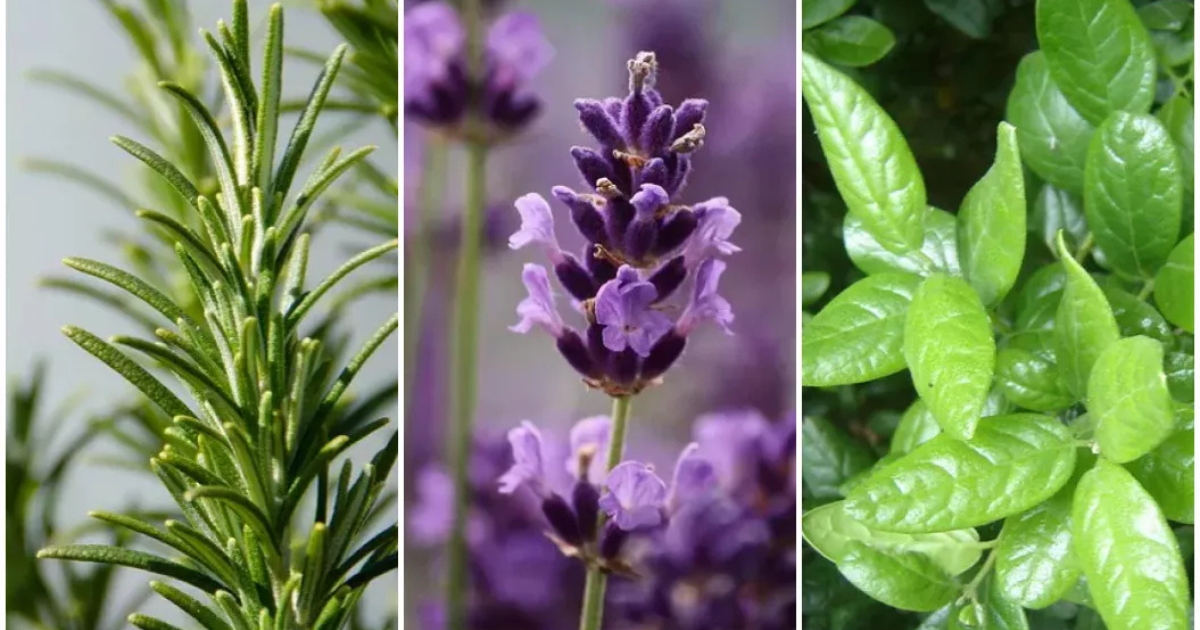
Creating a more comfortable outdoor space often starts with thoughtful plant selection. While no plant can completely eliminate mosquitoes, several fragrant species are commonly grown as part of a broader mosquito-management strategy. Many contain naturally occurring aromatic compounds that have been studied for their insect-repelling properties, while also adding beauty, texture, and fragrance to the garden.
This guide explores seven aromatic plants commonly used in mosquito-conscious gardens, how to grow them successfully, and why they work best when combined with other mosquito prevention methods.
Do Fragrant Plants Really Help Repel Mosquitoes?
Many aromatic plants produce essential oils and natural compounds that may influence mosquito behavior, particularly when the leaves are crushed or when the oils are extracted.
However, experts agree that simply planting these species will not prevent mosquito bites or eliminate mosquito populations. Their greatest value comes as one part of an integrated approach that also includes removing standing water, improving air circulation, and maintaining a healthy landscape.
1. Lavender (Lavandula spp.)
Lavender is one of the most popular ornamental herbs, valued for its purple flowers and relaxing fragrance.
Its essential oils have been widely studied, making it a favorite choice for patios, walkways, and outdoor seating areas.
Growing Tips
- Plant in full sun.
- Choose well-drained soil.
- Water moderately once established.
- Prune after flowering to encourage healthy growth.
2. Citronella Grass (Cymbopogon nardus)
Citronella grass is perhaps the best-known plant associated with mosquito management.
The essential oil extracted from its leaves is commonly used in candles, sprays, and outdoor products designed to help discourage mosquitoes.
Growing Tips
- Requires full sunlight.
- Prefers fertile, well-drained soil.
- Grows well in containers near patios and entrances.
- Protect from frost in colder climates.
3. Lemon Balm (Melissa officinalis)
Lemon balm produces fresh citrus-scented leaves rich in aromatic oils.
Crushing the leaves releases a stronger fragrance, making it a popular herb in both gardens and herbal tea collections.
Growing Tips
- Prefers partial to full sun.
- Keep soil consistently moist.
- Grow in containers if you want to limit spreading.
4. Basil (Ocimum basilicum)
Basil is widely known as a culinary herb, but it is also commonly planted around outdoor dining areas because of its strong aroma.
Fresh leaves release their fragrance whenever they are touched or harvested.
Growing Tips
- Plant in full sun.
- Water regularly without overwatering.
- Pinch flower buds to encourage continuous leaf production.
5. Marigold (Tagetes spp.)
Marigolds brighten gardens with colorful blooms while serving as popular companion plants in vegetable beds and flower borders.
Their distinctive scent has made them a common addition to gardens focused on natural pest management.
Growing Tips
- Grow in full sun.
- Deadhead spent flowers to encourage continuous blooming.
- Suitable for containers, borders, and raised beds.
6. Rosemary (Salvia rosmarinus)
Rosemary is a hardy evergreen herb appreciated for both cooking and landscaping.
Its needle-like leaves contain aromatic oils that become more noticeable when gently rubbed.
Growing Tips
- Needs full sun.
- Thrives in well-drained soil.
- Tolerates drought once established.
- Prune regularly to maintain a compact shape.
7. Catnip (Nepeta cataria)
Catnip is famous for attracting cats, but it also contains nepetalactone, a naturally occurring compound that has been studied for its insect-repelling properties.
Because it spreads easily, many gardeners prefer growing it in containers.
Growing Tips
- Plant in full sun to partial shade.
- Use well-drained soil.
- Trim regularly to encourage fresh growth.
- Monitor spreading if planted directly in the ground.
Additional Ways to Reduce Mosquitoes in the Garden
Fragrant plants work best when combined with proven mosquito prevention practices.
Consider these additional steps:
- Eliminate standing water from containers, buckets, and birdbaths.
- Clean gutters regularly.
- Refresh pet water bowls frequently.
- Keep ornamental ponds properly maintained.
- Trim dense vegetation where mosquitoes may rest.
- Install window and door screens around outdoor living spaces.
Combining these practices with aromatic plants creates a more comfortable outdoor environment while reducing mosquito breeding opportunities.
Understanding the Limitations
Although these plants are popular choices for mosquito-conscious gardens, it is important to keep expectations realistic.
Their effectiveness depends on several factors, including:
- Mosquito species present.
- Weather conditions.
- Plant density.
- Air movement.
- Nearby breeding sites.
Growing these herbs alone will not replace recommended mosquito control measures.
Frequently Asked Questions
Which plant is most commonly associated with mosquito control?
Citronella grass is the plant most commonly associated with mosquito management because its essential oil is widely used in commercial repellent products.
Can I grow these plants in containers?
Yes. Lavender, citronella grass, basil, lemon balm, rosemary, and catnip all grow well in containers with proper sunlight and drainage.
Do I need to crush the leaves to release the scent?
Many aromatic plants release stronger fragrances when their leaves are gently rubbed or crushed, although simply growing them also contributes pleasant aromas to the garden.
Will these plants completely stop mosquitoes?
No. They should be considered one component of a broader mosquito management strategy rather than a complete solution.
Which plants are easiest for beginners?
Basil, rosemary, marigolds, and lemon balm are generally considered easy to grow and adapt well to a variety of garden conditions.
Final Thoughts
Growing fragrant plants for mosquito-conscious gardens is an attractive way to combine beauty, fragrance, and practical gardening. Lavender, citronella grass, rosemary, basil, lemon balm, marigolds, and catnip all offer ornamental value while complementing broader mosquito management efforts.
For the best results, combine these plants with good garden maintenance, regular removal of standing water, and other recommended mosquito prevention practices. This balanced approach supports a healthier outdoor environment while helping create a more enjoyable space for people and pollinators alike.
Internal Linking Suggestions
Consider linking this article to related content on secretsofthegreengarden.com, such as:
- How to Attract Pollinators to Your Garden
- Easy Herbs Every Home Gardener Should Grow
- Natural Ways to Create a Wildlife-Friendly Garden
Recommended External Sources
For additional information, refer to trusted organizations:
- World Health Organization (WHO)
- Centers for Disease Control and Prevention (CDC)
- United States Environmental Protection Agency (EPA)
Primary Keyword: fragrant plants for mosquito-conscious gardens
Related Keywords: mosquito-repelling plants, citronella grass, lavender, basil, lemon balm, rosemary, marigolds, natural mosquito management, aromatic garden plants.
Meta Description: Discover seven fragrant plants commonly grown in mosquito-conscious gardens and learn how they can complement a broader strategy for creating a more comfortable and pollinator-friendly outdoor space.