
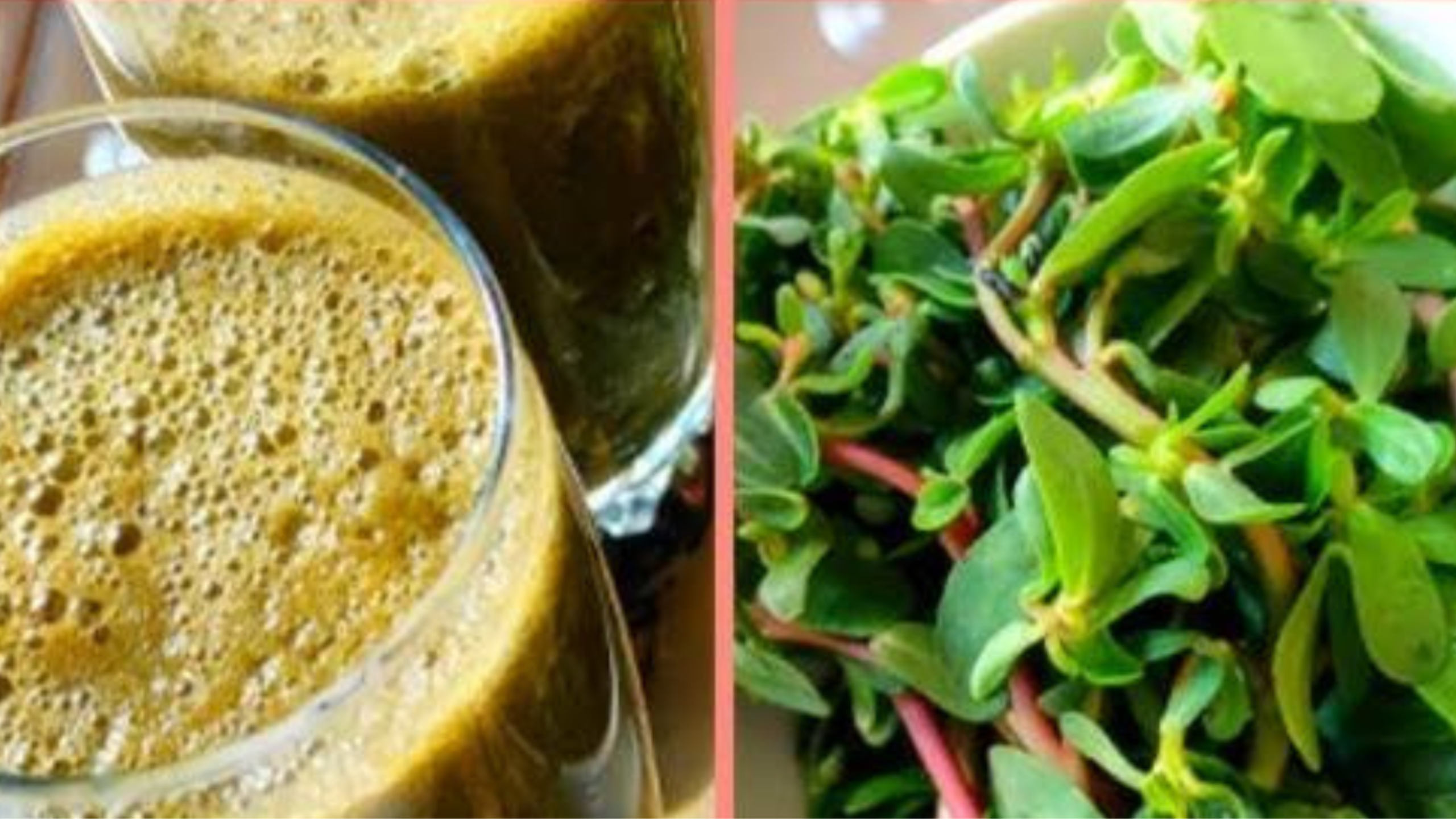
Once regarded as a persistent garden weed, purslane—also known as Verdolaga—has undergone a remarkable transformation. Today, it’s celebrated not just for its resilience in the garden, but for its incredible health benefits. Once a staple in historical kitchens and now a rising star in farmer’s markets and upscale restaurants, purslane is reclaiming its place as a nutrient-dense superfood.
Whether you’re a green-thumbed gardener or a curious cook, here’s why you should give this underrated plant a permanent place in your home and on your plate.
From Sidewalk Weed to Superfood Hero
Purslane has long struggled with a bad reputation. Known colloquially as pigweed or hogweed, it was often dismissed as a nuisance. However, modern research and culinary innovation have cast this plant in a new light.
Purslane is incredibly hardy. It thrives in poor soil, drought conditions, and even sidewalk cracks. Its ability to flourish where other plants fail makes it a valuable ally in sustainable gardening.
Nutrition experts like Dr. Artemis Simopoulos, president of the Centre for Genetics, Nutrition, and Health, have dubbed it a “miracle plant.” Why? Because it’s one of the richest plant-based sources of Omega-3 fatty acids, surpassing even some fish in its concentration.
This succulent, teardrop-leafed green isn’t just healthy—it’s also delicious. With a slightly tangy, peppery taste, it adds flavor and texture to salads, soups, and sauces. In fact, Chef Sergio Vitale, owner of Aldo’s Ristorante Italiano, fondly remembers eating purslane in his childhood dishes growing up in southern Italy.
Even Martha Washington appreciated its culinary value. While it faded from popularity in the early 20th century, today’s renewed focus on health and local foods is bringing purslane back to center stage.
8 Irresistible Reasons to Grow (and Eat) Purslane
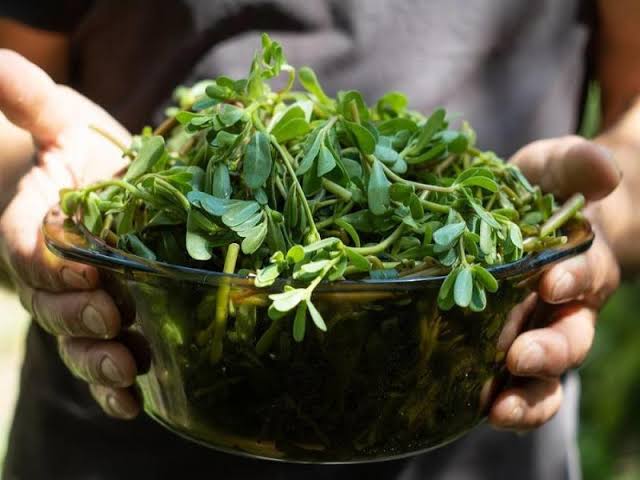
- A Plant-Powered Source of Omega-3 Fatty Acids
Omega-3s are essential for heart and brain health, yet most plant-based diets lack sufficient sources. Purslane fills that gap naturally, making it a perfect choice for vegetarians and vegans. These fatty acids also help reduce inflammation and support mental clarity.
- High in Antioxidants, Including Glutathione
Purslane is rich in glutathione, a powerful antioxidant that protects your cells from damage. This means better skin, reduced signs of aging, and a lower risk of chronic disease. Regular consumption can help rejuvenate your body from the inside out.
- Loaded with Vital Minerals
Think of purslane as a mineral multivitamin from nature. It’s packed with:
Calcium for strong bones
Magnesium for muscle and nerve function
Potassium for heart and blood pressure health
Iron for energy and red blood cell production
- A Natural Immune Boost with Vitamin C
Vitamin C isn’t just for cold season. It plays a crucial role in collagen production, wound healing, and immune system strength. Purslane offers a tasty and natural way to support your immune health year-round.
- Supports Vision and Skin with Beta-Carotene
The vibrant color of purslane hints at its beta-carotene content—a compound your body converts into Vitamin A. This promotes sharp vision and healthy, glowing skin while protecting against the effects of sun damage and aging.
- Melatonin for Restful Sleep
Few plants contain melatonin, the natural hormone that regulates your sleep cycle. If you struggle with insomnia or restless nights, adding purslane to your dinner plate might help you fall asleep faster and wake up more refreshed.
- Promotes Heart Health by Lowering Cholesterol
Thanks to compounds called betalains, purslane may reduce LDL cholesterol (the “bad” kind) and improve blood vessel function. These nutrients work together to support a healthier cardiovascular system.
- Naturally Enhances Mood with Tryptophan
Tryptophan is an amino acid essential for serotonin production—the hormone responsible for mood regulation. Eating purslane may help reduce anxiety, promote calm, and improve emotional balance.
Try This Simple and Delicious Purslane Recipe: Purslane & Basil Pesto
Ready to bring purslane into your kitchen? This easy pesto recipe is a flavorful way to start.
Ingredients:
2 cups young purslane leaves and stems (washed and chopped)
45g fresh basil leaves
1 garlic clove
45g toasted almonds
Juice of ½ a lemon
50ml olive oil
Salt and pepper to taste
Instructions:
- Combine purslane, basil, garlic, almonds, and lemon juice in a food processor.
Blend until finely chopped.
- With the processor running, slowly drizzle in olive oil until smooth and creamy.
Season with salt and pepper.
- Use as a dip, sandwich spread, or toss with warm pasta.
This recipe makes for a vibrant, nutrient-rich alternative to traditional pesto—and it freezes well, too!
Final Thoughts: Don’t Weed It—Eat It!
Purslane is no longer just an invasive plant. It’s a nutritional goldmine, a culinary delight, and a sustainable garden ally. With its unique combination of taste and health benefits, this plant belongs not in the compost bin, but on your plate.
Next time you see purslane popping up in your garden or local market, don’t pull it—pick it, eat it, and enjoy it. Your body and your taste buds will thank you.