
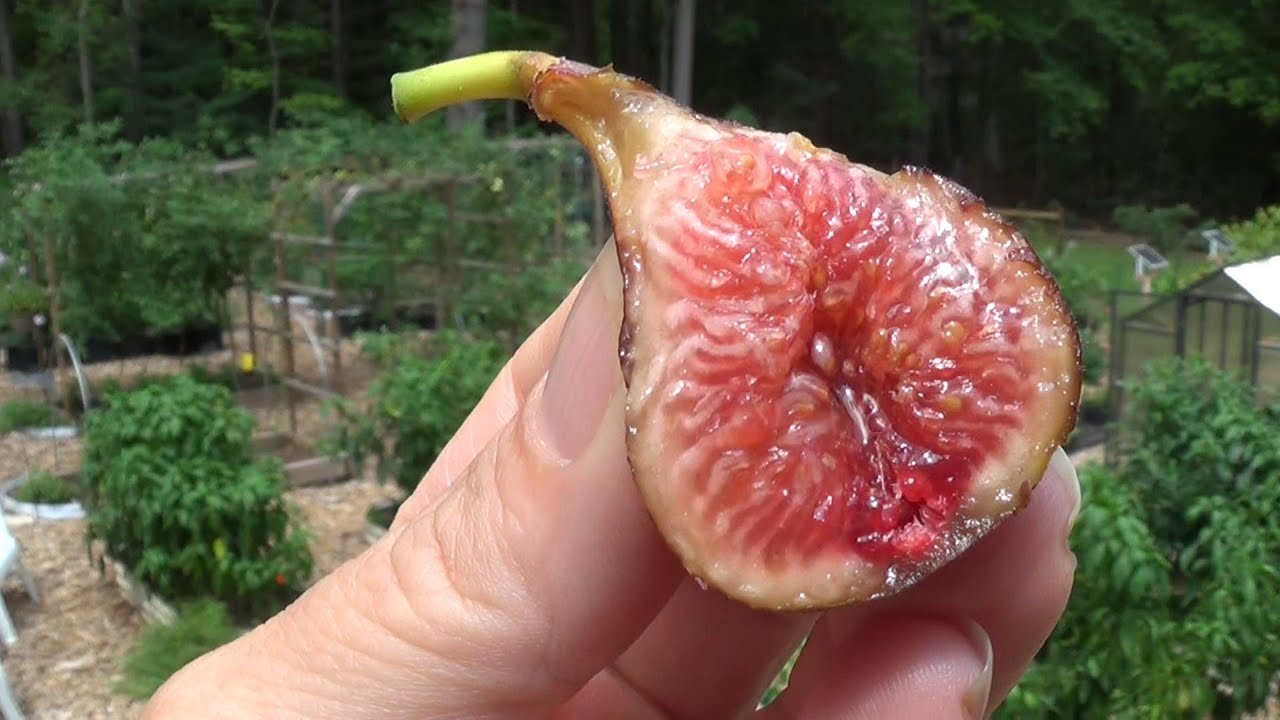
Knowing when to pick figs can make the difference between fruit that is rich, soft and intensely sweet and one that tastes disappointingly bland. Unlike fruits that can continue changing significantly after harvest, figs are best allowed to reach eating maturity while still attached to the tree.
The final stage of ripening can happen quickly. A fig that appears almost ready one morning may be noticeably softer and sweeter shortly afterward. That is why successful fig harvesting depends less on following a calendar and more on learning to recognize the fruit’s physical signs.
Why Picking Figs at the Right Time Matters
Figs develop much of their desirable sweetness and texture toward the end of the ripening process. Harvesting too early can leave you with firm fruit that lacks the flavor of a fully mature fig.
Once removed from the tree, an underripe fig will not reliably develop the same eating quality it would have achieved if allowed to finish ripening naturally.
For home gardeners, patience is therefore important. Instead of harvesting fruit simply because it has reached its expected size or color, look for several signs of maturity at the same time.
How to Tell When Figs Are Ripe
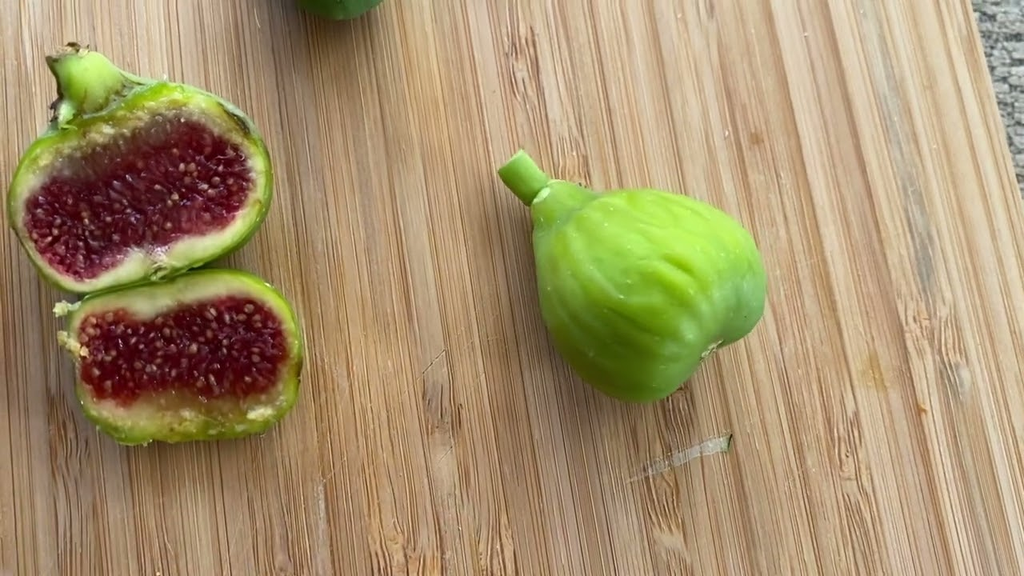
Color can provide a clue, but it should never be your only test. Fig varieties mature into different colors, ranging from green and yellow to reddish brown, purple or almost black.
A more reliable approach is to examine the fruit’s texture, position and appearance.
The Fig Begins to Droop
Immature figs often remain relatively firm and point outward or upward from the branch.
As a fig reaches maturity, its stem and neck may soften and the fruit commonly begins to hang downward. This drooping appearance is one of the easiest changes to notice when inspecting a tree regularly.
The Fruit Feels Soft
A ripe fig on the tree should generally feel soft when handled carefully.
It should not feel hard like an immature fruit, but it should still hold together when picked. Avoid squeezing aggressively because ripe figs bruise extremely easily.
The Skin Changes Appearance
Depending on the variety, mature figs may become deeper or lighter in color. The skin can also look softer and less taut than it did earlier in development.
Some ripe figs may develop small surface cracks. Minor cracking does not automatically mean that the fruit is spoiled, although damaged fruit should always be checked carefully before eating.
The Neck Becomes Softer
The area connecting the fig to its stem provides another useful indication.
When the fruit is immature, this section tends to remain firm. As ripening progresses, the neck becomes more flexible, contributing to the characteristic downward position of a mature fig.
Check Your Fig Tree Frequently During Harvest Season
One of the biggest mistakes gardeners make is expecting the entire crop to become ready simultaneously.
Figs commonly ripen progressively. Fruit on one part of the tree may be ready while nearby figs still require additional time.
During the main fig harvest season, inspect the tree frequently. Daily checks can be worthwhile when large numbers of fruits are approaching maturity, particularly during warm weather.
Regular harvesting also allows you to remove ripe fruit before it becomes overripe, damaged or attractive to insects and other wildlife.
How to Harvest Figs Without Damaging Them
Fully ripe figs are delicate, so harvesting requires a gentle touch.
Hold the fruit carefully and detach it from the tree without crushing the skin. Depending on how easily the fruit separates, clean pruning snips can also be useful.
A few practical habits can make harvesting easier:
- Use a shallow container rather than piling figs into a deep bucket.
- Place fruit gently inside to prevent bruising.
- Avoid squeezing figs while testing ripeness.
- Inspect each fruit for insects or damage.
- Harvest only those showing clear signs of maturity.
Figs that resist removal and remain firm will often benefit from additional time on the tree.
Why Gloves Are Useful When Picking Figs
Fig trees produce a white, milky latex when leaves, stems or immature fruits are damaged.
This sap can irritate the skin of some people. Contact with plant sap followed by exposure to sunlight can also contribute to more significant skin reactions in susceptible individuals.
For this reason, wearing gloves and long sleeves is a sensible precaution when harvesting fresh figs, particularly when picking many fruits or pruning branches at the same time.
Wash exposed skin after contact with fig sap and avoid unnecessary sun exposure on affected areas.
What to Do With Figs After Harvest
Fresh ripe figs are highly perishable. Once harvested, handle them carefully and use or refrigerate them promptly.
Do not wash figs until you are ready to eat or prepare them, since excess surface moisture can encourage deterioration during storage.
If the harvest becomes larger than you can eat fresh, ripe figs can be used in several ways, including:
- preserves and fig jam
- baking
- sauces and chutneys
- drying
- freezing for later recipes
Processing surplus fruit quickly helps reduce waste during periods when many figs mature close together.
The Best Harvesting Strategy
The most effective approach is simple: observe the tree rather than relying entirely on dates.
Variety, temperature, growing conditions and local climate can all influence fig ripening time. Even individual fruits on the same tree may mature at different rates.
Look for a combination of softness, drooping posture, characteristic mature color and an easily yielding neck. When several of these signs appear together, the fig is much more likely to have reached good eating quality.
FAQ
Do figs continue to ripen after picking?
Figs harvested before they reach proper eating maturity generally do not develop the same sweetness and quality as fruit allowed to ripen on the tree. For the best flavor, wait for clear signs of maturity before harvesting.
How do you know when a fig is ready to pick?
Look for softness, a drooping position, changes in skin color appropriate to the variety and a softer neck. Using several indicators is more reliable than judging by color alone.
Why are my harvested figs not sweet?
They may have been picked too early. Growing conditions, variety, irrigation and overall tree health can also influence fruit quality.
How often should you check a fig tree for ripe fruit?
When the crop is actively ripening, checking every day or two can help you catch figs at good eating maturity before they become overripe or damaged.
Should you wear gloves when harvesting figs?
Gloves are recommended because fig trees release a milky latex that can irritate the skin. Long sleeves can provide additional protection when working among the branches.
SEO Information
Main keyword: when to pick figs
LSI/NLP keywords used: ripe figs, fig harvest season, how to harvest figs, fig ripening time, harvesting fresh figs, ripe fig on the tree, fig tree care, signs of ripe figs, picking figs, fresh fig storage
Internal Link Suggestions from TesourosdoJardim.com
- Enxerto em Árvores de Fruto: Por Que Faz Tanta Diferença — a natural internal link from the section discussing fig-tree cultivation and fruit quality.
- Tomate em Balde na Varanda — useful for directing readers toward additional home fruit and vegetable growing content.
- Como Colher Cebolinho Corretamente — relevant as another practical guide focused on harvesting garden produce at the right stage.
External Link Suggestions
- University of California Agriculture and Natural Resources – Fig Growing and Harvesting Guidance — authoritative horticultural information on growing and harvesting figs.
- University of Georgia Cooperative Extension – Home Garden Fig Production — useful reference material covering fig cultivation, fruit development and tree care.
- Royal Horticultural Society – How to Grow Figs — reputable gardening guidance covering fig cultivation, ripening and harvesting.