
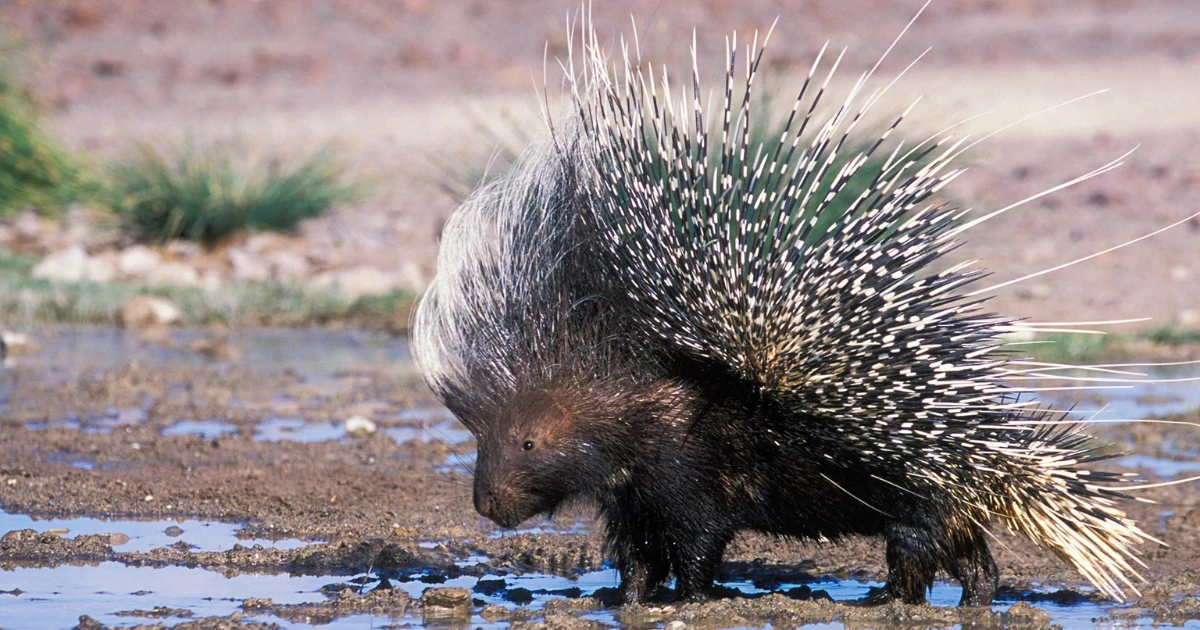
Porcupines are some of the most recognizable rodents on Earth, famous for their sharp quills and impressive defense mechanisms. Found across several continents, these fascinating mammals have adapted to forests, deserts, mountains, and grasslands. While many people think all porcupines look alike, there are actually dozens of species with different sizes, colors, habitats, and behaviors.
This guide explores the most interesting types of porcupines, how they survive in the wild, and what makes each species unique.
What Is a Porcupine?
A porcupine is a rodent covered with modified hairs called quills. These quills protect the animal from predators and can vary greatly between species. Contrary to popular myths, porcupines cannot shoot their quills, but the sharp spines detach easily when touched.
Porcupines are divided into two major groups:
- Old World porcupines
- New World porcupines
These groups evolved separately and differ in behavior, body structure, and habitat preferences.
Old World vs. New World Porcupines
Old World Porcupines
Old World porcupines live mainly in Africa, Europe, and Asia. They are generally larger, ground-dwelling animals with long quills and sturdy bodies.
Characteristics include:
- Strong claws for digging
- Long defensive spines
- Mostly nocturnal habits
- Poor climbing ability
New World Porcupines
New World porcupines are native to North and South America. Many species are excellent climbers and spend much of their time in trees.
Common features include:
- Prehensile tails in some species
- Shorter but highly effective quills
- Tree-dwelling behavior
- Smaller body size compared to Old World species
Popular Types of Porcupines
North American Porcupine
The North American porcupine is one of the best-known species. It lives across Canada and the United States, especially in forests and mountainous regions.
This species is an excellent climber and often spends hours feeding in trees. Its diet mainly includes bark, leaves, twigs, and buds.
Interesting traits:
- Around 30,000 quills on the body
- Excellent swimming ability
- Solitary lifestyle
Crested Porcupine
The crested porcupine is among the largest porcupine species in the world. Native to Africa and parts of southern Europe, it is known for the dramatic crest of long quills on its back and neck.
When threatened, it raises its quills and rattles them to scare predators away.
Key facts:
- Can weigh over 25 kilograms
- Primarily nocturnal
- Lives in burrows or caves
Brazilian Porcupine
The Brazilian porcupine belongs to the New World group and spends most of its life in trees.
Unlike larger ground-dwelling species, this porcupine has softer fur mixed with sharp spines. Its curled tail helps it move through branches with ease.
Cape Porcupine
The Cape porcupine is Africa’s largest rodent and one of the continent’s most impressive mammals.
It inhabits rocky hillsides, savannas, and woodland areas. Its long black-and-white quills provide effective protection against lions, leopards, and hyenas.
Indian Crested Porcupine
The Indian crested porcupine is widely distributed across South Asia and the Middle East.
This species is highly adaptable and can survive in forests, agricultural lands, and semi-desert environments. Farmers sometimes consider it a pest because it feeds on crops and roots.
Malayan Porcupine
The Malayan porcupine lives in Southeast Asia and is recognized by its dark body and lighter spines.
It prefers tropical forests and often shelters in underground burrows during the day.
Small and Rare Porcupine Species
Some porcupines are far smaller and less studied than their larger relatives.
Mexican Hairy Dwarf Porcupine
This small arboreal species inhabits Central American forests. It has soft fur mixed with short quills and spends most of its time high in the canopy.
Philippine Porcupine
Native to the Philippines, this rare species is found only on a few islands. Habitat loss threatens its survival, making conservation efforts increasingly important.
Bristle-Spined Porcupine
The bristle-spined porcupine is a little-known species from South America. Its quills are thinner and more bristle-like than those of larger porcupines.
Andean Porcupine
Found in mountainous South American forests, the Andean porcupine is adapted to cooler climates and high elevations.
How Porcupines Defend Themselves
The most famous feature of porcupines is their quills. These specialized hairs are coated with keratin, the same material found in human fingernails.
Defense strategies include:
- Raising quills to appear larger
- Rattling tail quills as a warning
- Backing into predators
- Climbing trees to escape danger
Many predators avoid attacking porcupines after painful encounters.
What Do Porcupines Eat?
Porcupines are herbivores with diets that change depending on habitat and season.
Typical foods include:
- Bark
- Leaves
- Fruits
- Roots
- Seeds
- Twigs
- Agricultural crops
Tree-dwelling species often eat fresh leaves and fruit, while ground species consume roots and tubers.
Porcupine Habitat and Distribution
Porcupines occupy a wide variety of ecosystems across the globe.
They can be found in:
- Temperate forests
- Tropical rainforests
- Deserts
- Grasslands
- Rocky hills
- Mountain regions
Their adaptability helps them survive in both wild and human-modified environments.
Are Porcupines Dangerous?
Porcupines are not aggressive animals and usually avoid confrontation. However, they defend themselves effectively when cornered.
Humans and pets should avoid touching or startling porcupines because quills can become embedded in the skin and may cause infection.
Conservation Challenges
Several porcupine species face environmental threats.
Main conservation concerns include:
- Habitat destruction
- Deforestation
- Hunting
- Road accidents
- Illegal wildlife trade
Island species and forest-dependent porcupines are especially vulnerable to population decline.
According to the International Union for Conservation of Nature (IUCN), some species remain stable while others require urgent monitoring and habitat protection.
Fascinating Facts About Porcupines
- Porcupines are rodents, making them relatives of rats and beavers.
- Some species can live more than 15 years in the wild.
- Baby porcupines are called porcupettes.
- Quills harden shortly after birth.
- Tree porcupines have specialized feet for climbing.
FAQ About Porcupines
Can porcupines shoot their quills?
No. Porcupines cannot launch their quills. The spines detach easily when predators touch them.
What is the largest porcupine species?
The crested porcupine and Cape porcupine are among the largest species in the world.
Are porcupines good climbers?
Many New World porcupines are excellent climbers and spend most of their lives in trees.
Where do porcupines sleep?
Ground-dwelling species often rest in burrows, caves, or rock crevices, while arboreal species sleep in trees.
What animals prey on porcupines?
Predators may include large cats, eagles, wolves, hyenas, and fishers, although many avoid porcupines because of their quills.
Internal Linking Suggestions
For additional wildlife and nature content on secretsofthegreengarden.com, consider linking to related articles such as:
- “How Wildlife Benefits a Healthy Garden Ecosystem”
- “Natural Pest Control Methods for Backyard Gardens”
- “Best Plants for Supporting Local Wildlife”
Recommended External Resources
For readers interested in learning more about porcupines and wildlife conservation, these trusted sources provide valuable information:
- Smithsonian National Zoo Porcupine Facts
- National Geographic Wildlife Guide
- IUCN Red List Species Database
Final Thoughts
Porcupines are far more diverse than many people realize. From giant African species to tiny tree-dwelling porcupines in South America, each type has evolved remarkable adaptations for survival.
Their quills, climbing abilities, and varied habitats make them one of the most fascinating rodent groups in the animal kingdom. As habitats continue to change around the world, understanding and protecting these unique animals becomes increasingly important for maintaining biodiversity and healthy ecosystems.