
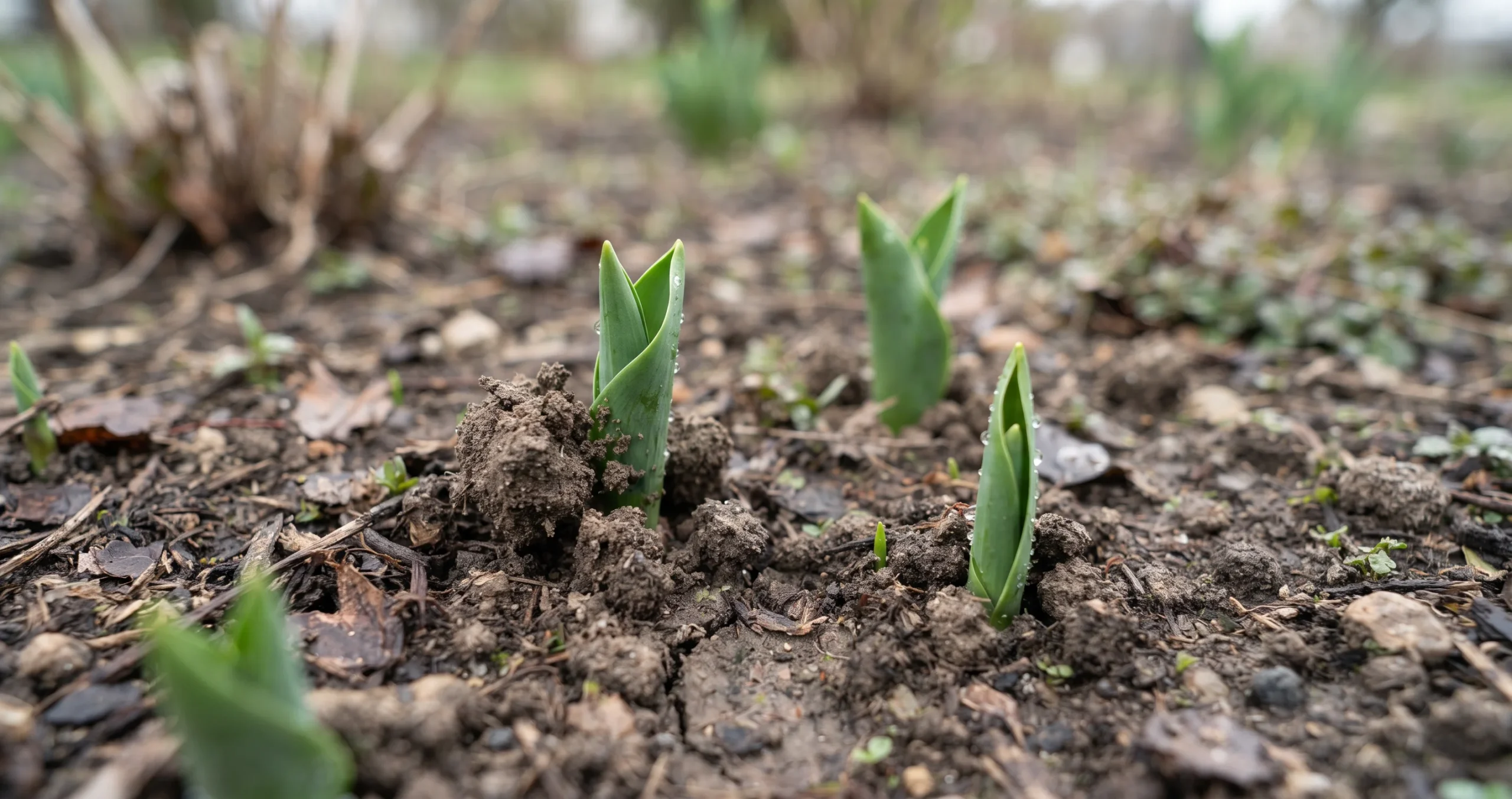
A tulip bed can look completely lifeless in January. The soil is cold, the leaves are gone, and nothing suggests that colorful flowers will emerge a few months later. Yet tulip bulbs in winter are far from inactive. Beneath the surface, they contain developing shoots, stored nutrients, and roots that help prepare the plant for spring.
Tulips follow a seasonal rhythm shaped by temperature, moisture, and daylight. Autumn encourages root development, winter provides the chilling conditions needed for normal flowering, and spring brings rapid growth.
Understanding this underground process helps gardeners choose the right planting time, avoid common mistakes, and enjoy healthier tulip displays.
Table of Contents
- What Is Inside a Tulip Bulb?
- What Happens to Tulip Bulbs in Winter?
- How Tulip Roots Grow During Fall
- Why Tulips Need a Cold Period
- How to Chill Tulip Bulbs in Warm Climates
- When and How Deep to Plant Tulip Bulbs
- What Happens Underground Before Spring Sprouting?
- Why Tulip Leaves Must Stay After Flowering
- Common Mistakes That Affect Tulip Growth
- Can Tulips Return Year After Year?
- Frequently Asked Questions
What Is Inside a Tulip Bulb?
A tulip bulb is not a seed or an ordinary root. It is a specialized underground storage organ containing the essential structures needed to produce a new plant.
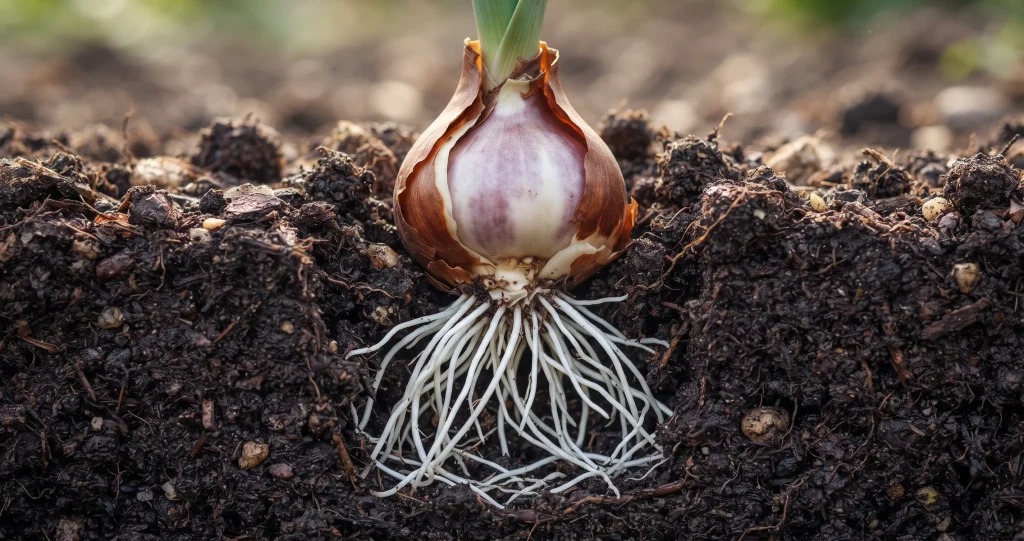
The outer covering is a dry, papery layer called the tunic. This protective covering helps shield the fleshy tissues beneath it from physical damage and excessive moisture loss.
Inside the bulb are thick, modified leaves called storage scales. These scales contain carbohydrates and other reserves that support early growth before the emerging leaves can produce enough energy through photosynthesis.
At the center is a developing shoot containing the future leaves and, in a mature flowering bulb, the developing flower.
The bulb’s flattened base is called the basal plate. Roots emerge from its underside, while the shoot grows upward from the center.
This compact arrangement explains how a tulip can begin growing quickly when spring conditions become favorable.
A Flower Is Already Developing Inside
One surprising detail about tulips is that the flower does not begin forming only when the first green shoot appears aboveground.
In a sufficiently mature bulb, flower development begins during the previous growing and storage season.
By autumn, the bulb may already contain the structures that will become next spring’s flower.
Winter conditions then help the plant complete the physiological processes required for normal stem elongation and flowering.
A healthy bulb is therefore a carefully prepared package of living tissues, not simply a dormant lump waiting for warm weather.
What Happens to Tulip Bulbs in Winter?
The activity of tulip bulbs in winter depends on the conditions surrounding them.
After autumn planting, roots begin developing when soil moisture and temperature are favorable. These roots help anchor the bulb and allow it to absorb water and nutrients.
As winter progresses, shoot growth remains largely hidden underground.
Cold temperatures slow visible development, but important physiological changes continue within the bulb.
The plant responds to prolonged chilling, preparing its developing shoot for the growth that follows when temperatures rise.
This is why a tulip bulb can appear unchanged from the outside while becoming increasingly ready to flower.
Are Tulip Bulbs Completely Dormant?
Tulips experience seasonal dormancy, but dormancy does not mean every living process stops.
Their cells continue maintaining essential functions, and their response to temperature changes affects later growth.
Root development may continue during relatively mild periods when the soil is not frozen.
In regions with severe winters, growth slows considerably as soil temperatures fall.
The bulb survives by using its stored reserves and remaining protected beneath the soil.
How Tulip Roots Grow During Fall
Autumn root development is one of the most important stages in the tulip’s annual cycle.
When gardeners plant bulbs in cool, moist soil, roots emerge from the basal plate and spread into the surrounding ground.
These roots help the bulb establish itself before winter becomes severe.
Unlike many garden perennials, tulips do not maintain the same extensive root system throughout the year.
Their roots are seasonal and are renewed during the next growing cycle.
Why Fall Planting Matters
Planting during autumn gives bulbs an opportunity to develop roots while temperatures remain suitable.
Bulbs planted too early into warm soil may experience unfavorable conditions, particularly if the soil is persistently wet.
Bulbs planted very late may have less time to establish roots before the ground freezes.
However, late planting can still succeed if the soil remains workable and the bulbs receive adequate chilling.
The ideal timing depends on the local climate rather than a fixed calendar date.
The Importance of Moisture
Tulip roots require moisture to develop, but bulbs are vulnerable to prolonged waterlogging.
Well-drained soil allows water to reach the roots without keeping the bulb constantly saturated.
In many gardens, normal autumn rainfall supplies sufficient moisture.
If the soil is unusually dry after planting, watering can help settle the soil and support root development.
Avoid repeated watering when the ground is already moist.
Why Tulips Need a Cold Period
The chilling requirement is one of the defining features of tulip bulbs in winter.
Most garden tulips need an extended period of cool temperatures to develop normal flowering stems.
Without adequate chilling, the plant may produce unusually short stems, weak growth, or flowers that fail to develop properly.
The requirement is related to the bulb’s internal developmental processes rather than simply protecting it from freezing.
How Many Weeks of Cold Do Tulips Need?
A commonly recommended chilling period for many garden tulips is roughly 12–16 weeks.
The exact requirement varies with cultivar, growing conditions, and whether the bulbs are being prepared for outdoor planting or indoor forcing.
Cool temperatures around 35–45°F (roughly 2–7°C) are commonly used for chilling bulbs intended for forcing.
These figures are practical guidelines, not universal thresholds for every tulip variety.
For outdoor tulips in colder regions, the natural winter usually provides the necessary chilling period.
Chilling Is Different From Freezing
Tulips need cool conditions, but they do not require their bulbs to freeze solid.
Prolonged exposure to unsuitable freezing conditions during artificial storage can damage bulb tissues.
In the ground, surrounding soil helps buffer rapid temperature changes.
Mulch and snow cover can also moderate fluctuations, although they do not replace the plant’s need for suitable seasonal temperatures.
The goal is a sustained cool period followed by conditions that allow normal growth.
How to Chill Tulip Bulbs in Warm Climates
Gardeners in mild-winter regions may not receive enough natural chilling for reliable tulip flowering.
In these areas, purchasing prechilled bulbs or chilling suitable bulbs before planting can help.
Artificial chilling imitates the cool conditions tulips would normally experience during winter.
Step 1: Choose Healthy Bulbs
Start with firm, mature bulbs free from mold, soft spots, and obvious damage.
Large, healthy bulbs are generally more likely to contain well-developed flower buds.
Select cultivars recommended for your climate whenever possible.
Some tulips are better suited to seasonal display in warm regions than to long-term naturalizing.
Step 2: Provide Controlled Refrigeration
Place the bulbs in a breathable paper bag or ventilated container.
Keep them in a refrigerator that maintains an appropriate chilling temperature, generally around 35–45°F (2–7°C), for the period recommended for the cultivar.
Many gardeners use roughly 12–16 weeks as a planning guideline.
Keep bulbs away from ripening fruit, particularly apples, because ethylene gas can damage developing flower structures.
Do not place bulbs in a freezer.
Step 3: Plant After Chilling
Once the chilling period is complete, plant the bulbs promptly into prepared, well-drained soil or suitable containers.
In warm climates, planting is usually timed for the coolest practical part of the season.
The bulbs still need suitable growing conditions after chilling.
Warm soil and rapidly rising temperatures can shorten the flowering period, even when the bulbs have received adequate cold treatment.
For gardeners in very warm regions, treating tulips as seasonal annual displays is often more dependable than expecting the same bulbs to flower repeatedly.
When and How Deep to Plant Tulip Bulbs
Planting depth influences temperature stability, moisture exposure, and the support available to developing stems.
A common recommendation is to plant tulip bulbs at a depth of roughly two to three times the bulb’s height.
For many standard garden tulips, this works out to approximately 6–8 inches deep, measured from the soil surface to the bottom of the planting hole.
Actual depth should be adjusted for bulb size, soil conditions, and local recommendations.
Choose a Well-Drained Location
Tulips generally prefer a sunny site with soil that drains well.
A location receiving abundant sunlight during spring supports strong leaf growth and helps the plant replenish its reserves.
Heavy, persistently wet soil increases the risk of bulb rot.
Raised beds or containers with drainage holes can be useful where garden soil remains waterlogged.
Plant With the Pointed End Up
The pointed end of a tulip bulb normally contains the emerging shoot.
Place this end upward and the flatter basal plate downward.
Cover the bulb with soil and gently firm the surface.
Avoid compressing the soil excessively, since healthy root growth depends on adequate air and moisture movement.
Space Bulbs for Healthy Growth
Spacing depends on the desired display and the cultivar’s mature size.
Many gardeners leave several inches between bulbs to provide room for roots and developing foliage.
Dense seasonal displays are possible, but overcrowding may become problematic when bulbs are expected to persist for multiple years.
Planting in groups often creates a more natural appearance than placing bulbs individually in widely separated rows.
What Happens Underground Before Spring Sprouting?
As winter gives way to spring, rising soil temperatures encourage more visible growth.
The developing shoot elongates and pushes upward through the soil.
Leaves emerge first, followed by the flower stem and bud.
The energy needed for this early growth comes largely from reserves stored inside the bulb.
Once leaves expand and receive sunlight, photosynthesis begins supplying additional energy.
Why Tulips Can Grow So Quickly
A tulip does not need to construct its entire shoot from scratch after emerging.
Much of the basic structure was already established inside the bulb.
The plant can therefore expand existing tissues relatively quickly when temperature and moisture conditions become favorable.
This is one reason tulips can transform a seemingly bare spring garden into a colorful display within a short period.
What Happens to the Original Bulb?
As the tulip grows and flowers, the original bulb’s stored reserves are gradually consumed.
Meanwhile, new replacement bulbs and smaller offsets may develop.
The plant uses energy produced by its leaves to build these new storage organs.
Their size and condition influence whether the tulip will flower again in a future season.
This process explains why caring for tulips after flowering matters just as much as planting them correctly.
Why Tulip Leaves Must Stay After Flowering
After tulip flowers fade, the leaves continue performing an essential job.
They capture sunlight and produce carbohydrates that support the development of replacement bulbs.
Removing healthy green foliage too early reduces the time available for this process.
The result may be smaller bulbs and weaker flowering in subsequent years.
Remove Spent Flowers, Not Green Leaves
Gardeners may remove faded flower heads to prevent unnecessary seed development.
However, the green leaves should remain until they naturally yellow and begin drying.
This process commonly takes several weeks after flowering, depending on the cultivar and growing conditions.
Avoid tying, braiding, or tightly bundling the leaves, because doing so can reduce their exposure to sunlight.
Allowing the foliage to decline naturally gives the bulb its best opportunity to rebuild energy reserves.
Planning Around Fading Foliage
Yellowing tulip leaves are not always attractive in a carefully maintained flower bed.
Planting tulips among emerging perennials can help conceal the fading foliage.
Hostas, hardy geraniums, and other suitable plants may provide visual coverage as the tulips finish their growing cycle.
Choose companion plants according to the garden’s light and moisture conditions.
The goal is to hide the declining leaves without removing them prematurely.
Common Mistakes That Affect Tulip Growth
Several avoidable problems can prevent tulip bulbs in winter from producing a strong spring display.
Planting in Waterlogged Soil
Poor drainage is among the most serious threats to tulip bulbs.
Soil that remains saturated can encourage decay and damage developing roots.
Choose a better-draining location or improve the planting system before adding bulbs.
Skipping the Cold Period
In mild climates, insufficient chilling can lead to disappointing growth.
Use properly prechilled bulbs or follow an appropriate refrigeration schedule.
Do not assume that a few cold nights provide the same effect as several weeks of sustained chilling.
Planting Too Shallowly
Shallow planting can expose bulbs to greater temperature fluctuations and disturbance.
Follow locally appropriate depth recommendations based on bulb size and soil conditions.
Cutting Foliage Too Early
Removing leaves immediately after flowering reduces the plant’s ability to replenish stored energy.
Wait until the foliage has naturally yellowed.
Expecting Every Tulip to Return
Some modern hybrid tulips produce excellent first-year flowers but perform less reliably in later seasons.
Cultivar selection, summer soil moisture, winter chilling, and growing conditions all affect long-term performance.
Can Tulips Return Year After Year?
Tulips are perennial plants, but their ability to flower repeatedly varies.
Some species tulips and certain garden cultivars are more dependable perennial performers than others.
They generally benefit from suitable winter chilling, good drainage, and enough sunlight during the spring growing period.
Excessive summer moisture can be particularly problematic for varieties adapted to drier conditions during dormancy.
In warm climates, the lack of natural winter chilling may prevent dependable repeat flowering.
For this reason, gardeners sometimes replace tulip bulbs annually to maintain consistent displays.
Frequently Asked Questions
Do tulip bulbs grow roots during winter?
Yes. Tulip roots generally begin growing in autumn and may continue developing during mild winter conditions when the soil is not frozen. Root activity slows as temperatures become very low.
Can tulip bulbs survive frozen ground?
Healthy, properly planted tulip bulbs can tolerate winter conditions in suitable climates. Soil depth, drainage, cultivar hardiness, and temperature fluctuations influence their survival.
What happens if tulips do not get enough cold?
Insufficient chilling may cause short stems, poor flowering, or abnormal growth. Many garden tulips need roughly 12–16 weeks of suitable cool conditions for reliable flowering.
Should I water tulip bulbs during winter?
Usually, natural precipitation provides sufficient moisture in outdoor beds. Additional watering may be needed during unusually dry periods when the soil is not frozen, but persistent saturation should be avoided.
Can tulips grow in containers?
Yes. Use containers with adequate drainage and enough depth for proper bulb planting. In cold climates, protect pots from extreme temperature fluctuations because container soil freezes more readily than garden soil.
Conclusion
The quiet winter months are an important part of a tulip’s life.
While the garden appears dormant, the bulb’s internal structures, developing roots, and response to cold temperatures prepare it for spring growth.
Understanding tulip bulbs in winter makes it easier to plant at the right time, provide adequate chilling, protect bulbs from excess moisture, and care for foliage after flowering.
With these simple principles, gardeners can turn an ordinary autumn planting into a healthy and colorful spring display.
External Sources
1. Planting Bulbs, Tubers and Rhizomes
Covers tulip bulb anatomy, fall planting, rooting, drainage, and keeping foliage until it yellows. University of Minnesota Extension guide
2. Bringing Spring Indoors: How to Force Bulbs to Bloom in Winter
Explains artificial chilling, appropriate storage temperatures, chilling duration, and ethylene exposure from fruit. University of Illinois bulb-chilling guide