
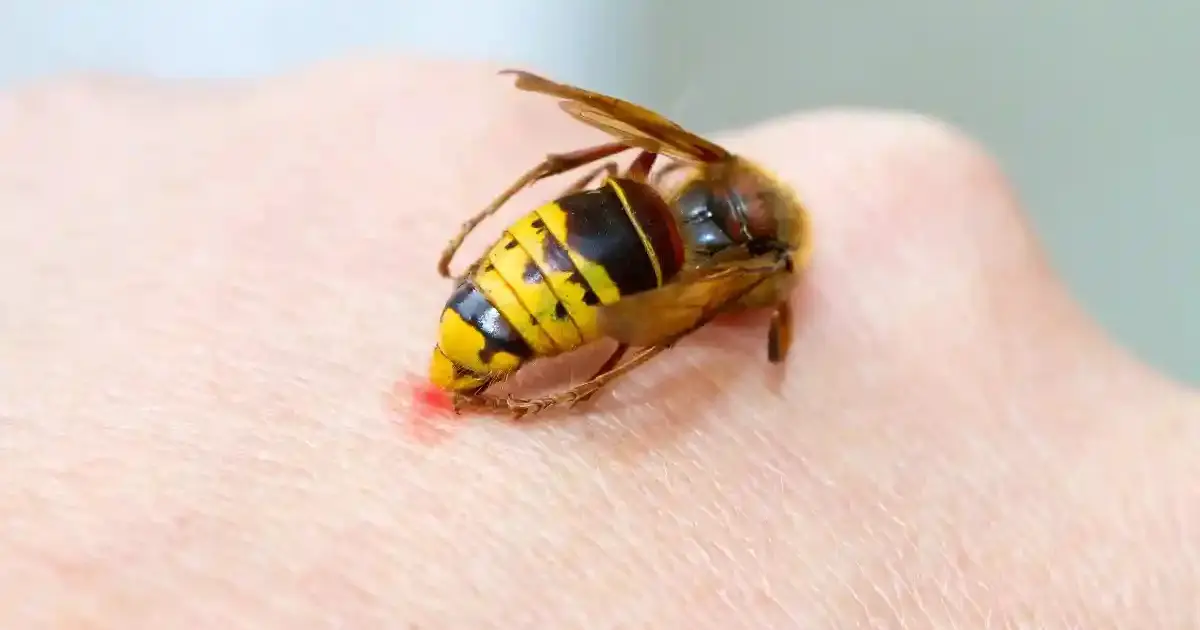
Not all insect stings feel the same. While many cause only temporary discomfort, some are known for producing intense pain that has fascinated scientists for decades. To compare these experiences, entomologist Dr. Justin O. Schmidt developed the Schmidt Sting Pain Index, a scale that ranks the pain of stings from various insects based on firsthand observations.
Although the index focuses on pain rather than toxicity or medical danger, it has become one of the best-known references for understanding defensive stings in the insect world.
What Is the Schmidt Sting Pain Index?
The Schmidt Sting Pain Index is a pain rating system created by entomologist Justin O. Schmidt. It compares the immediate pain caused by stings from different species of ants, bees, and wasps.
It’s important to understand that the index:
- Measures pain, not venom toxicity.
- Does not predict allergic reactions.
- Does not indicate how dangerous an insect is medically.
- Reflects the typical experience for people who are not allergic.
For individuals with insect venom allergies, even species with lower pain ratings can cause serious medical emergencies.
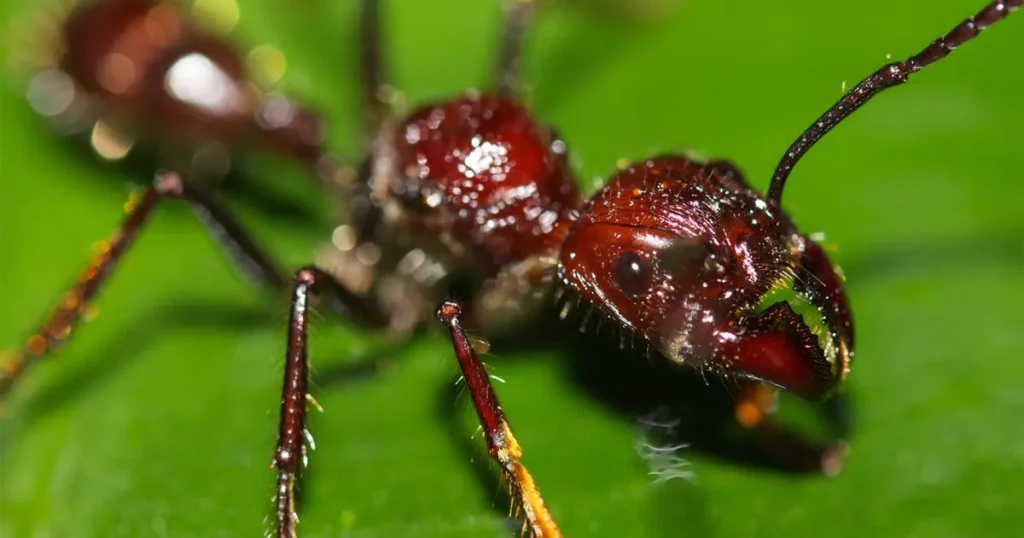
1. Bullet Ant (Paraponera clavata)
Schmidt Pain Index: 4.0
The bullet ant is widely known for delivering one of the most painful insect stings ever documented.
Native to the rainforests of Central and South America, this large ant uses its powerful sting primarily for defense.
Characteristics
- Pain is often described as extremely intense and long-lasting.
- Symptoms may persist for many hours.
- Healthy adults usually recover without lasting effects, although the experience can be extremely unpleasant.
Despite its reputation, the bullet ant is generally not aggressive unless disturbed.
2. Warrior Wasp (Synoeca septentrionalis)
Schmidt Pain Index: 4.0
The warrior wasp shares the highest rating on the Schmidt Sting Pain Index.
These highly social wasps defend their nests aggressively when threatened.
Characteristics
- Extremely painful sting.
- Colonies may respond together if the nest is disturbed.
- Found primarily in tropical regions of Central and South America.
Giving nests a wide berth greatly reduces the chance of being stung.
3. Tarantula Hawk (Pepsis species)
Schmidt Pain Index: 4.0
The tarantula hawk is a large spider wasp famous for hunting tarantulas.
Although its sting ranks among the most painful, it is usually defensive rather than aggressive.
Characteristics
- Pain is extremely intense but generally short-lived.
- Most healthy adults recover quickly.
- Allergic reactions remain possible, as with other stinging insects.
These wasps usually avoid people and sting only when handled or threatened.
4. Paper Wasp (Polistes species)
Schmidt Pain Index: 3.0
Paper wasps are common throughout many parts of the world and frequently build umbrella-shaped nests beneath roofs, decks, and branches.
Characteristics
- Sharp, burning pain.
- Defensive when protecting their nests.
- Important predators of many garden pests.
Because they help control caterpillars and other insects, paper wasps can provide ecological benefits despite their defensive behavior.
5. Honey Bee (Apis mellifera)
Schmidt Pain Index: 2.0
The honey bee is one of the most familiar stinging insects.
Unlike many wasps, worker honey bees typically sting only when defending themselves or their colony.
Characteristics
- Moderate burning pain.
- Worker bees usually die after stinging mammals because the barbed stinger remains embedded.
- Essential pollinators for agriculture and natural ecosystems.
Although the pain is usually temporary, allergic reactions can be serious and require immediate medical attention.
Does More Pain Mean More Dangerous?
Not necessarily.
The Schmidt Sting Pain Index measures pain only, not medical risk.
Several factors determine how dangerous a sting may be, including:
- Individual allergies.
- Number of stings received.
- Sting location.
- Overall health of the person.
For most healthy individuals, many insect stings cause temporary pain and swelling that improve within a few hours or days.
How to Reduce the Risk of Stings
Simple precautions can greatly reduce your chances of being stung.
Helpful tips include:
- Avoid disturbing insect nests.
- Wear closed-toe shoes outdoors.
- Stay calm if a bee or wasp flies nearby.
- Cover sweet drinks and food during outdoor meals.
- Wear gloves when gardening in areas where nests may be hidden.
- Inspect sheds, roof overhangs, and fences before working nearby.
Most stinging insects prefer to avoid conflict whenever possible.
What to Do After a Sting
For most mild stings:
- Move away from the area.
- Wash the sting site with soap and water.
- Apply a cold compress to reduce swelling.
- Monitor for worsening symptoms.
If stung by a honey bee, gently remove the stinger as soon as practical by scraping it away with a fingernail or a rigid card. Avoid squeezing the venom sac if it remains attached.
Seek emergency medical care immediately if signs of a severe allergic reaction occur, such as difficulty breathing, swelling of the face or throat, widespread hives, dizziness, or loss of consciousness.
Frequently Asked Questions
Which insect has the most painful sting?
According to the Schmidt Sting Pain Index, the bullet ant, warrior wasp, and tarantula hawk all receive the highest pain rating of 4.0.
Is the most painful sting also the most dangerous?
No. The Schmidt Sting Pain Index measures pain, not venom toxicity or overall medical risk.
Are honey bees aggressive?
Honey bees are generally defensive rather than aggressive. They usually sting only when they feel threatened or when defending their hive.
Why do paper wasps sting?
Paper wasps primarily sting to protect their nests from perceived threats.
Should I remove a wasp or bee nest myself?
If a nest is located where it presents a safety concern, it’s often safest to consult a qualified pest management professional or follow local wildlife guidance rather than attempting removal yourself.
Final Thoughts
The Schmidt Sting Pain Index offers a fascinating look at how different insects defend themselves, highlighting the remarkable diversity of stinging species found around the world. While some insects deliver surprisingly painful stings, most use their venom only as a last line of defense.
Learning to recognize these insects, respecting their nests, and understanding their ecological roles can help people safely share outdoor spaces with some of nature’s most remarkable pollinators and predators.
Internal Linking Suggestions
Consider linking this article to related content on secretsofthegreengarden.com, such as:
- Beneficial Garden Insects Every Gardener Should Know
- The Praying Mantis: The Most Precise Hunter in the Insect World
- How to Create a Wildlife-Friendly Garden
Recommended External Sources
For additional scientific information, consult:
- Smithsonian Institution
- University of Florida IFAS Extension
- Centers for Disease Control and Prevention (CDC)
Primary Keyword: Schmidt Sting Pain Index
Related Keywords: painful insect stings, bullet ant sting, tarantula hawk, warrior wasp, paper wasp, honey bee sting, insect venom, stinging insects.
Meta Description: Learn how the Schmidt Sting Pain Index ranks the world’s most painful insect stings, discover the insects behind the highest ratings, and understand how pain differs from medical danger.