
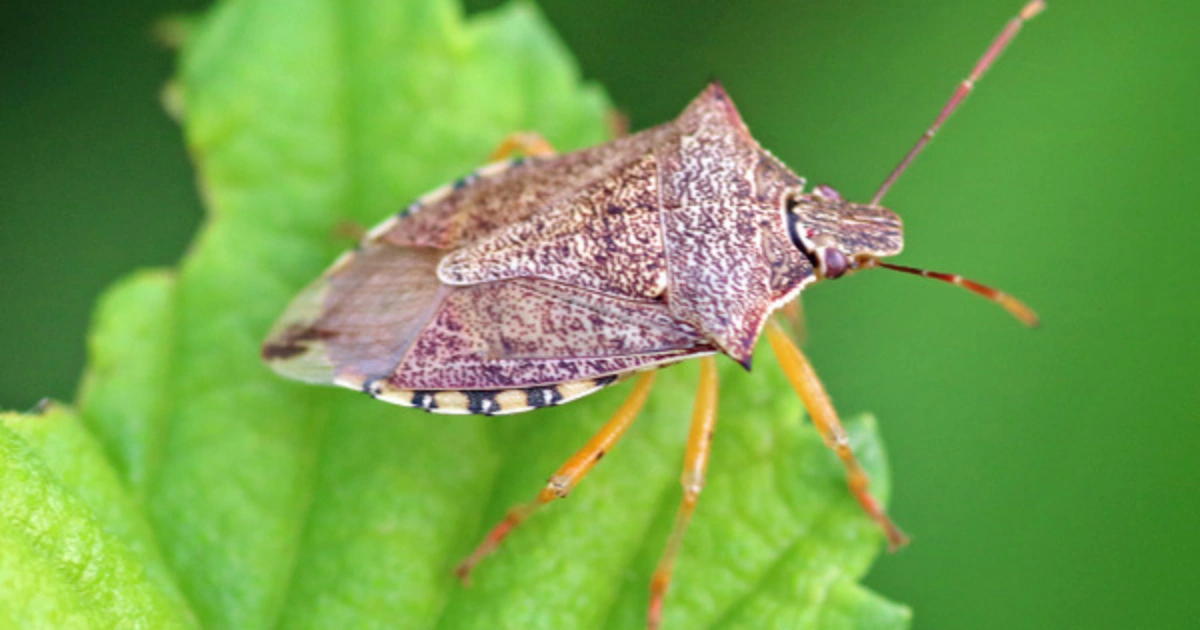
Learn how to tell the difference between destructive stink bugs and beneficial spined soldier bugs. A simple shoulder check can help you protect natural pest control allies and avoid harming beneficial predators.
Many gardeners encounter shield-shaped bugs on their plants and assume they are all harmful stink bugs. Unfortunately, this common mistake can lead to the accidental elimination of one of the garden’s most effective natural predators: the spined soldier bug.
Although these insects look remarkably similar at first glance, their roles in the garden couldn’t be more different. One damages crops by feeding on fruits and vegetables, while the other actively hunts caterpillars, beetle larvae, and other destructive pests.
Fortunately, identifying them is easier than most people realize.
Why Correct Identification Matters
Not every bug found on a tomato plant or vegetable bed is a pest.
Some insects are:
- Pollinators
- Decomposers
- Natural predators
- Biological control agents
Misidentifying beneficial insects often leads gardeners to remove or spray the very creatures helping control pest populations.
Learning the difference between pest species and predatory look-alikes is one of the most valuable skills in sustainable gardening.
Meet the Pest: Brown Marmorated Stink Bug
The Brown Marmorated Stink Bug (Halyomorpha halys) is an invasive agricultural pest that feeds on plant juices.
What It Damages
This species attacks:
- Tomatoes
- Peppers
- Apples
- Peaches
- Beans
- Corn
- Ornamental plants
Using its piercing mouthparts, it punctures fruits and vegetables, causing discoloration, deformities, and reduced crop quality.
Key Characteristics
Look for:
- Brown mottled coloration
- Smooth, rounded shoulder area
- Shield-shaped body
- White bands on antennae
- Slow-moving behavior
These insects may also become household nuisances during autumn when they seek shelter indoors.
Meet the Predator: Spined Soldier Bug
The Spined Soldier Bug (Podisus maculiventris) belongs to the same general family of shield bugs but serves a completely different purpose.
Instead of feeding on plants, it hunts other insects.
Favorite Prey
Spined soldier bugs commonly attack:
- Caterpillars
- Armyworms
- Cutworms
- Beetle larvae
- Hornworms
- Various soft-bodied garden pests
They are considered one of the most valuable predatory insects found in vegetable gardens.
The Simple Shoulder Check
The fastest way to tell the difference is by examining the insect’s shoulder area, technically known as the prothorax.
Brown Marmorated Stink Bug
Characteristics:
- Rounded shoulders
- Smooth edges
- No obvious projections
Think: rounded shoulders = likely pest.
Spined Soldier Bug
Characteristics:
- Pointed shoulders
- Sharp outward projections
- Distinct spines extending from the body
Think: pointed shoulders = predator.
This single feature is often enough to make an accurate identification in seconds.
Another Clue: Mouthparts
If you can observe the insect closely, its feeding structures provide another useful hint.
Plant-Feeding Stink Bugs
Their beaks are designed for:
- Piercing plant tissue
- Extracting sap and juices
- Feeding on fruits and vegetables
Predatory Soldier Bugs
Their mouthparts are adapted for:
- Capturing prey
- Piercing insects
- Consuming soft-bodied pests
Predatory species often appear more active and aggressive than plant-feeding stink bugs.
Why Spined Soldier Bugs Are Valuable
Spined soldier bugs provide free biological pest control.
Benefits include:
- Reduced caterpillar damage
- Lower pest populations
- Less reliance on pesticides
- Improved ecosystem balance
Unlike many predators that focus on only one prey species, spined soldier bugs attack a wide variety of garden pests.
Natural Caterpillar Control
One of their most important roles is controlling caterpillars that can quickly defoliate crops.
Common targets include:
- Tomato hornworms
- Armyworms
- Loopers
- Cutworms
A healthy predator population can significantly reduce outbreaks.
The Cost of Misidentification
When beneficial predators are mistaken for pests, several problems can occur.
Increased Pest Pressure
Removing predators allows harmful insects to multiply unchecked.
Greater Dependence on Chemicals
Fewer natural enemies often lead to more pesticide applications.
Reduced Biodiversity
Healthy gardens rely on a diverse community of organisms working together.
Protecting beneficial insects helps maintain that balance.
How to Encourage Beneficial Predators
Creating a welcoming environment helps natural enemies thrive.
Plant Diverse Vegetation
A variety of flowering plants supports beneficial insects throughout the season.
Good choices include:
- Dill
- Fennel
- Yarrow
- Goldenrod
- Native wildflowers
Minimize Broad-Spectrum Insecticides
Many pesticides cannot distinguish between pests and predators.
Reducing unnecessary spraying protects beneficial species.
Provide Habitat
Predatory insects need:
- Ground cover
- Leaf litter
- Native plants
- Shelter from extreme weather
A diverse landscape supports more natural pest control.
Other Beneficial Look-Alikes in the Garden
The spined soldier bug is not the only beneficial insect frequently mistaken for a pest.
Other examples include:
- Ladybug larvae
- Hoverfly larvae
- Ground beetles
- Assassin bugs
- Certain parasitic wasps
Learning to recognize these allies can significantly improve garden health.
Frequently Asked Questions
Is every stink bug harmful?
No. Many shield bugs resemble one another, and some species, such as the spined soldier bug, are beneficial predators.
How can I identify a spined soldier bug quickly?
Look at the shoulders. Pointed, spine-like projections indicate a spined soldier bug, while rounded shoulders are typical of many plant-feeding stink bugs.
Do spined soldier bugs damage plants?
No. They primarily feed on other insects and are considered beneficial biological control agents.
Should I remove spined soldier bugs from my garden?
Generally, no. They help reduce populations of caterpillars and other common garden pests.
Are spined soldier bugs safe around people?
Yes. They are not considered dangerous to humans and play an important ecological role in gardens and agricultural systems.
Final Thoughts
At first glance, stink bugs and spined soldier bugs can appear nearly identical. However, a simple shoulder check reveals an important difference between a crop-damaging pest and a valuable garden predator.
Before reaching for a pesticide or removing a shield-shaped insect from your plants, take a closer look. Those pointed shoulders may belong to one of your garden’s most effective natural defenders. By learning to identify and protect beneficial predators, gardeners can reduce pest problems naturally while building a healthier, more resilient ecosystem.
SEO Information
Primary Keyword: Spined soldier bug
Related Keywords:
- Stink bug identification
- Beneficial garden insects
- Predatory stink bug
- Natural pest control
- Garden predators
- Brown marmorated stink bug
- Biological pest management
- Shield bug identification
Internal Linking Suggestions (secretsofthegreengarden.com)
- Beneficial Garden Insects Every Gardener Should Know
- Natural Ways to Control Tomato Hornworms
- How to Build a Balanced Garden Ecosystem
External Linking Suggestions
- University of Maryland Extension – Brown Marmorated Stink Bug Information
- University of Florida IFAS – Spined Soldier Bug Factsheet
- USDA Integrated Pest Management Resources
Meta Description: Learn how to identify a spined soldier bug versus a harmful stink bug. Discover the simple shoulder check, understand their ecological roles, and protect beneficial predators that naturally control garden pests.