
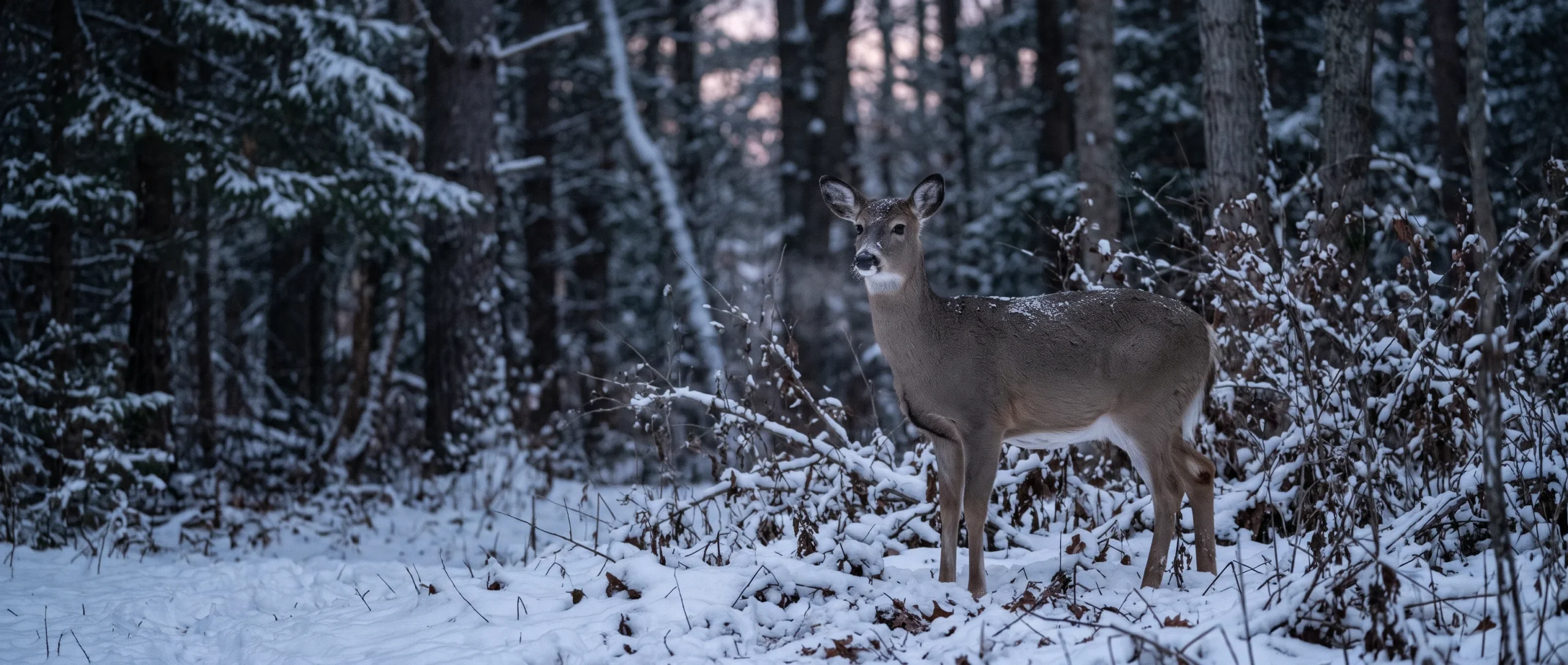
Watching a deer search for food in a snow-covered backyard can stir a natural desire to help. When temperatures drop and vegetation disappears beneath the snow, leaving out corn, apples, or hay might seem like a compassionate gesture.
But should you feed deer in winter? Wildlife experts generally recommend against supplemental feeding because sudden dietary changes, concentrated feeding sites, and increased human contact can create serious problems for wild deer.
Fortunately, there are better ways to support these animals. Understanding their seasonal adaptations and preserving natural habitat can make a meaningful difference without interfering with their ability to survive independently.
Table of Contents
- Should You Feed Deer in Winter?
- Why People Want to Feed Wild Deer
- How Deer Naturally Survive Winter
- How Deer Digestion Adapts to Winter
- The Hidden Dangers of Sudden Feeding
- How Feeding Deer Can Spread Disease
- Road Safety and Human-Wildlife Conflicts
- Is Feeding Deer in Winter Legal?
- Better Ways to Help Deer Survive Winter
- What to Do If You Find a Sick or Injured Deer
- Frequently Asked Questions
Should You Feed Deer in Winter?
For most homeowners, gardeners, and wildlife enthusiasts, the answer is no. Healthy wild deer are generally better supported through suitable natural habitat than through food provided by people.
Deer have developed seasonal adaptations that allow them to survive periods of limited food availability. Their metabolism, feeding patterns, digestive microorganisms, and energy use change throughout the year.
Introducing unfamiliar foods during winter can disrupt these processes. Even food that appears nutritious to humans may create digestive difficulties for a deer that has adapted to a seasonal diet.
The Virginia Department of Wildlife Resources discourages feeding wild deer because of the potential for digestive illness, disease transmission, and problematic interactions with humans.
Although wildlife agencies occasionally conduct carefully managed emergency feeding programs, these specialized interventions are different from placing food in a residential backyard.
Why People Want to Feed Wild Deer
Deer are among the most familiar large mammals in many American neighborhoods. Their graceful movements and frequent appearances near gardens make them particularly appealing to wildlife enthusiasts.
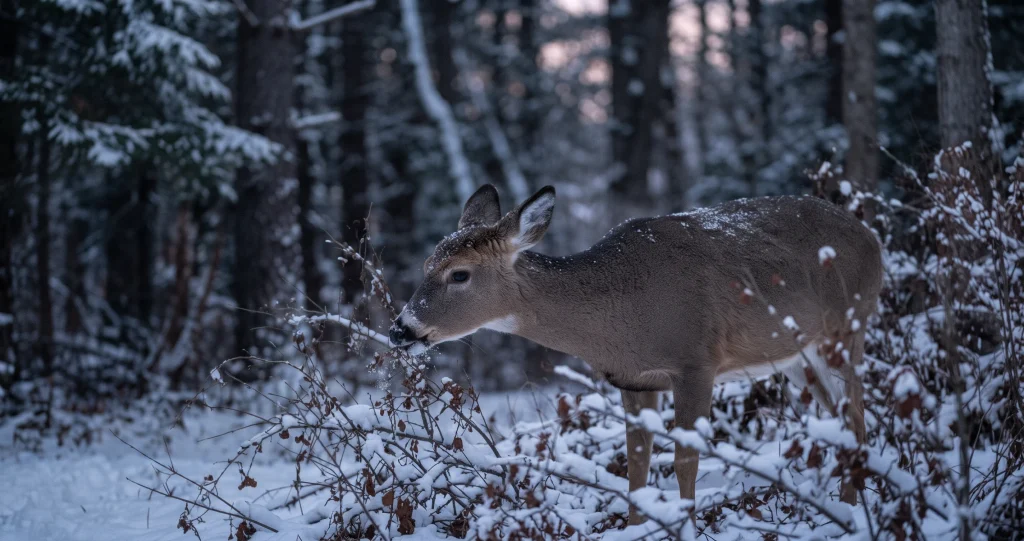
During winter, people may become concerned when they see deer walking through deep snow or searching for vegetation. A deer with a slimmer appearance may seem hungry or in need of immediate assistance.
However, seasonal weight loss does not automatically indicate that an animal requires human intervention. Healthy deer naturally use stored energy during colder months.
The question of whether you should feed deer in winter often arises from kindness rather than a desire to interfere with nature. Understanding the difference between apparent hardship and genuine wildlife emergencies helps people make more responsible decisions.
How Deer Naturally Survive Winter
White-tailed deer rely on several complementary adaptations to survive cold weather. These adaptations begin developing before the first significant snowfall.
Thick Winter Coats
During fall, deer replace their lighter summer coats with thicker winter fur. Insulating hairs and dense underfur help reduce heat loss and protect the body against cold weather.
This seasonal coat allows deer to remain outdoors during conditions that would be uncomfortable for many other animals.
Stored Body Fat
Deer accumulate energy reserves during periods when nutritious vegetation is more readily available.
As winter progresses, these reserves help support essential bodily functions when the quality and availability of food decline.
Reduced Activity
During particularly cold weather or periods of deep snow, deer may limit unnecessary movement to conserve energy.
In northern regions, suitable evergreen forests can provide important winter cover. These sheltered areas may reduce wind exposure and, depending on forest conditions, limit snow accumulation beneath the canopy.
Seasonal Food Choices
Winter foods commonly include woody vegetation, buds, small branches, and other available plant material. The exact diet varies according to region, deer species, snow depth, and habitat quality.
These natural feeding patterns help explain why supplemental feeding is not necessarily beneficial.
How Deer Digestion Adapts to Winter
Deer are ruminants, meaning their digestive systems are specialized for processing plant material through microbial fermentation.
Like cattle and other ruminants, deer possess a stomach with four compartments: the rumen, reticulum, omasum, and abomasum.
The rumen contains a complex community of microorganisms that helps break down food. These microorganisms play an essential role in extracting nutrients from vegetation that would otherwise be difficult to digest.
Seasonal Changes in Digestive Microorganisms
As natural food sources change throughout the year, the microbial community inside the rumen adjusts accordingly.
During winter, deer commonly consume more fibrous woody vegetation. Their digestive systems gradually adapt to process the available foods.
A sudden introduction of large quantities of starch-rich food can disrupt this microbial balance. The problem is not simply whether the food contains calories, but whether the digestive system is prepared to process it safely.
This is one of the most important considerations when deciding whether you should feed deer in winter.
The Hidden Dangers of Sudden Feeding
Leaving a large pile of corn for deer may appear helpful, but abrupt dietary changes can cause severe digestive disorders.
Rumen Acidosis
Rumen acidosis occurs when rapidly fermentable carbohydrates disrupt the chemical balance inside the rumen.
Large quantities of grain can encourage the production of excessive acid, damaging the digestive environment and interfering with normal bodily functions.
Severe cases may lead to dehydration, weakness, serious illness, and death.
Foods That Can Create Problems
| Supplemental food | Potential concern |
|---|---|
| Corn | High starch content and grain overload |
| Bread | Unbalanced nutrition and readily fermentable carbohydrates |
| Large quantities of apples | Sudden changes in sugar intake |
| Livestock grain | Unsuitable composition for an unadapted digestive system |
| Moldy food | Exposure to harmful microorganisms or toxins |
| Unfamiliar hay | May be poorly suited to the animal’s current dietary needs |
The risks depend on the quantity consumed, previous diet, and individual condition of the animal.
Even commercially available deer feed does not automatically eliminate the dangers associated with attracting and concentrating wild deer.
How Feeding Deer Can Spread Disease
Another important reason to avoid feeding deer is the increased possibility of disease transmission.
Under natural conditions, deer move across different areas while searching for vegetation. Artificial feeding stations encourage animals to gather repeatedly in one relatively small location.
This concentration creates opportunities for infectious agents to spread through direct contact or contaminated food and soil.
Chronic Wasting Disease
Chronic wasting disease, commonly called CWD, is a fatal neurological disease affecting deer, elk, moose, and related animals.
It is associated with abnormal proteins known as prions. Infected animals may release these proteins into their surroundings through saliva, urine, and feces.
An infected deer may appear healthy before noticeable symptoms develop. Consequently, a feeding station can contribute to disease exposure even when the visiting animals look perfectly normal.
Competition at Feeding Stations
Feeding sites can also create competition between animals. Larger or more dominant deer may prevent smaller or weaker individuals from accessing food.
This means that supplemental feeding does not necessarily benefit the animals people are most concerned about.
Road Safety and Human-Wildlife Conflicts
When considering whether you should feed deer in winter, remember that feeding can influence where animals travel and how they behave.
A dependable food source near a residential property may encourage deer to cross nearby roads more frequently. This creates additional opportunities for collisions, particularly when visibility is poor.
Repeated feeding can also make deer increasingly comfortable around people, buildings, and vehicles.
Although deer may appear gentle, they remain powerful wild animals. Close encounters can become dangerous when an animal feels threatened or cornered.
Artificial feeding can contribute to several neighborhood problems:
- Increased risk of deer-vehicle collisions.
- Damage to vegetable gardens and ornamental plants.
- Greater contact between deer and domestic animals.
- Reduced natural avoidance of humans.
Supporting wildlife should not come at the expense of animal welfare or community safety.
Is Feeding Deer in Winter Legal?
Feeding regulations differ across the United States. Some states prohibit recreational deer feeding, while others impose restrictions within designated disease management areas or during particular seasons.
Local ordinances may also restrict wildlife feeding in residential neighborhoods.
For example, Washington State introduced a prohibition on feeding deer, elk, and moose effective May 17, 2025, as part of efforts to reduce disease transmission.
The Washington Department of Fish and Wildlife provides information about this regulation and the broader risks of feeding wildlife. Washington Department of Fish & Wildlife
Before providing food, mineral blocks, or salt licks, consult your state wildlife agency. Rules concerning recreational feeding and hunting bait may differ.
Even when feeding is legally permitted, wildlife experts may still discourage the practice for ecological and animal health reasons.
Better Ways to Help Deer Survive Winter
If you enjoy seeing deer in your neighborhood, there are several constructive ways to support wildlife without establishing artificial feeding stations.
1. Preserve Native Trees and Shrubs
Native vegetation provides naturally available food and shelter throughout the year.
Where appropriate for your region, retain native dogwoods, willows, aspen trees, serviceberries, and other woody vegetation that contributes to diverse wildlife habitat.
Choose species suited to your local ecosystem rather than introducing potentially invasive plants. Avoid deliberately concentrating deer near roads or residential buildings.
2. Protect Natural Winter Cover
Existing evergreen stands, dense woodland edges, and sheltered areas can provide important protection against harsh weather.
Preserving these natural features is generally more beneficial than creating a feeding station.
Landowners with larger properties can consult a local wildlife biologist or forestry specialist about maintaining suitable winter habitat.
3. Reduce Unnecessary Habitat Disturbance
Deer conserve valuable energy by limiting movement during difficult winter conditions.
Repeatedly approaching resting animals, allowing dogs to chase wildlife, or disturbing important shelter areas can force deer to expend energy unnecessarily.
Observe wildlife from a respectful distance and allow animals to move naturally through their habitat.
4. Create a More Diverse Wildlife Garden
A garden containing native plants, natural leaf litter, and varied vegetation can support a wide range of species.
Rather than managing your backyard exclusively for deer, consider the needs of birds, insects, and other small animals as well.
5. Support Wildlife Conservation
Supporting local habitat restoration projects and conservation organizations can provide lasting benefits for deer populations.
Healthy, connected habitats allow animals to find natural food, shelter, and suitable seasonal ranges.
These approaches address broader environmental needs without introducing the risks associated with artificial feeding.
What to Do If You Find a Sick or Injured Deer
Sometimes a deer may genuinely need professional assistance.
Possible warning signs include difficulty standing, severe injuries, unusual disorientation, excessive drooling, or extreme weakness. However, these symptoms can have multiple causes and should not be used to diagnose a specific disease.
If you encounter a deer that appears seriously ill or injured:
- Maintain a safe distance.
- Keep children and pets away.
- Record the location and observable symptoms.
- Contact your state wildlife agency.
- Follow the instructions provided by wildlife professionals.
Do not attempt to capture, transport, hand-feed, or administer medication to the animal.
Frequently Asked Questions
Should you feed deer in winter when snow is deep?
Generally, no. Contact your state wildlife agency if extreme conditions raise concerns about local deer populations.
Wildlife professionals can determine whether intervention is appropriate.
Is corn bad for deer in winter?
Sudden consumption of large quantities of corn can disrupt rumen fermentation and cause serious digestive illness.
The risk depends partly on whether the deer has adapted to that food.
Can deer survive winter without human feeding?
Yes. Healthy deer regularly survive winter through seasonal dietary changes, energy conservation, stored body fat, and suitable habitat.
Exceptionally severe conditions can still cause natural mortality.
Is hay a safe food for wild deer?
Not necessarily. Hay quality, composition, and the animal’s previous diet influence its suitability.
It should not be assumed that livestock hay is an appropriate emergency food for wild deer.
Does feeding deer spread chronic wasting disease?
Feeding sites can increase opportunities for disease transmission by concentrating animals and allowing infectious material to accumulate in shared environments.
Can I leave a salt block outside for deer?
Salt and mineral blocks may attract multiple animals to the same location. They are also restricted or prohibited in some jurisdictions.
Check local regulations and wildlife agency recommendations.
What is the best way to help deer during winter?
Preserve appropriate native vegetation, maintain natural shelter, minimize disturbance, and support habitat conservation.
These approaches help wildlife without creating unnecessary dependence on people.
Conclusion
So, should you feed deer in winter? For most people, the responsible choice is to avoid supplemental feeding and instead protect natural wildlife habitat.
Deer have remarkable seasonal adaptations that help them cope with colder temperatures and limited food availability. Introducing unfamiliar foods can interfere with these adaptations, while feeding stations may increase disease transmission and road safety risks.
Preserving native vegetation, maintaining natural cover, and observing wildlife respectfully offer more sustainable alternatives.
Sometimes, the most compassionate way to help wild animals is to protect the conditions that allow them to survive independently.
External Sources
1. Should I Feed the Deer?
Support information about natural winter survival, the dangers of sudden dietary changes, disease transmission, and human-wildlife conflicts.
Virginia Department of Wildlife Resources. https://dwr.virginia.gov/wildlife/deer/feeding-deer/
2. Corn Toxicity in Ruminants
Provide authoritative information about rumen acidosis, grain overload, digestive microorganisms, and the potential consequences of artificial feeding. Wisconsin Department of Natural Resources. https://dnr.wisconsin.gov/topic/wildlifehabitat/disease/Corntoxicityruminants
3. About Chronic Wasting Disease (CWD)
Explain chronic wasting disease, infectious prions, disease transmission, and the importance of preventing exposure between susceptible animals. Centers for Disease Control and Prevention (CDC). https://www.cdc.gov/chronic-wasting/about/index.html