
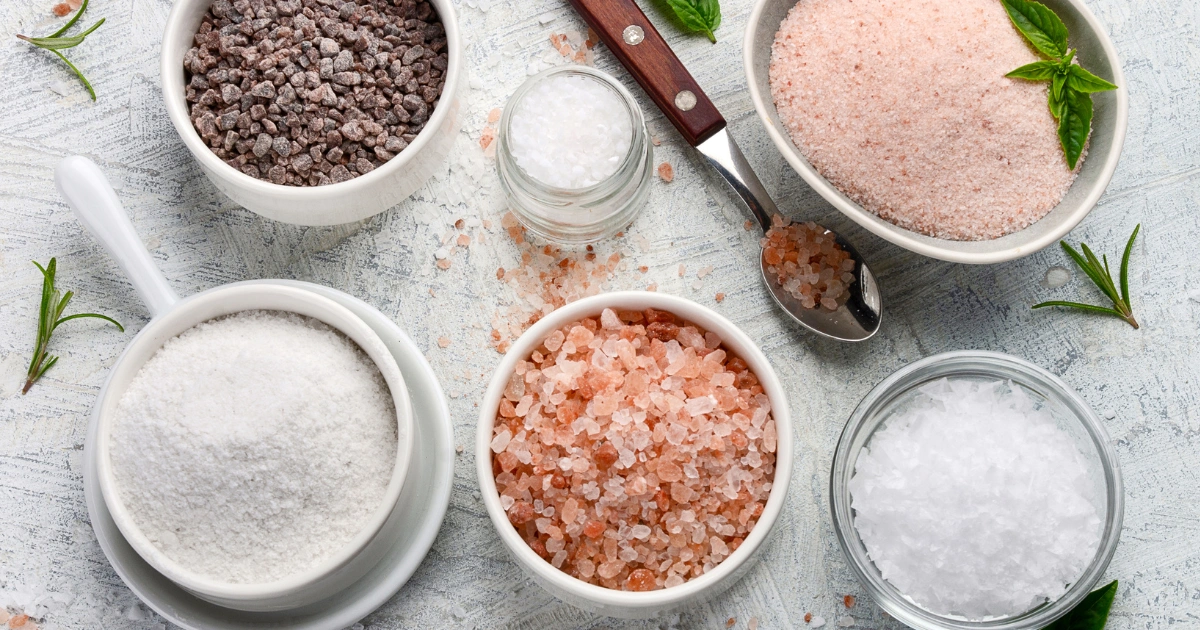
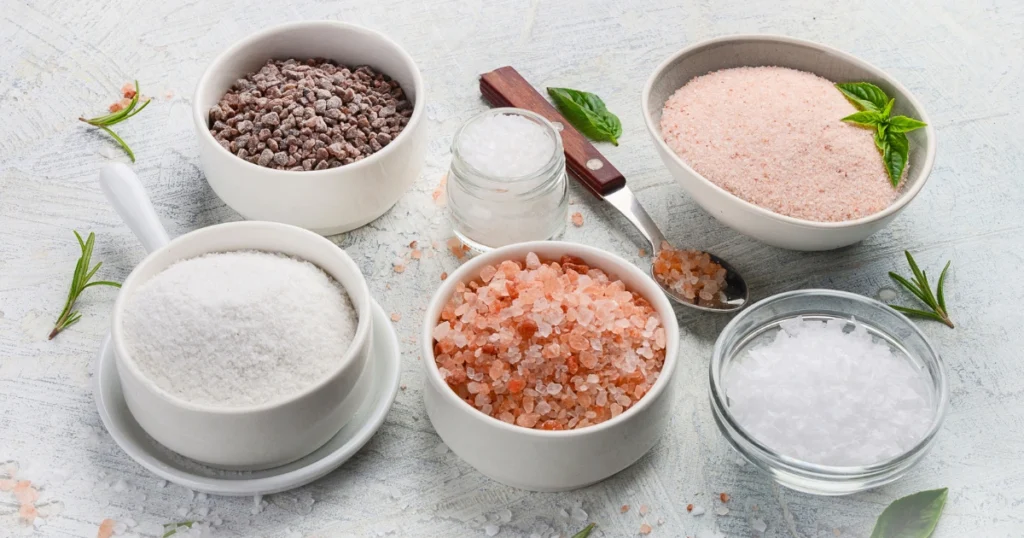
Salt is one of the most essential ingredients in cooking, yet many people assume all salt works the same way. In reality, different salt types vary greatly in texture, flavor, mineral content, and culinary purpose.
Using the right salt can improve seasoning, enhance texture, and even change the final taste of a dish. From baking and curing meats to finishing steaks or chocolate desserts, each variety serves a unique role in the kitchen.
This guide explains the most popular salt types, how they differ, and when to use each one for the best cooking results.
Why Salt Matters in Cooking
Salt does much more than make food salty.
It helps:
- Enhance flavor
- Balance sweetness
- Reduce bitterness
- Improve texture
- Preserve foods
- Strengthen gluten in baking
Different salts dissolve differently and vary in crystal size, which affects how they season food.
Table Salt
Table salt is the most common household salt.
Characteristics
- Fine texture
- Highly refined
- Usually contains iodine
- Dissolves very quickly
Because of its fine grains, table salt distributes evenly and works well in recipes requiring precise measurements.
Best Uses for Table Salt
- Baking
- Soups
- Sauces
- Pasta water
- General cooking
Advantages
- Inexpensive
- Easy to measure
- Consistent flavor
- Quick dissolving
Drawbacks
Some cooks feel table salt tastes slightly harsher because of additives and anti-caking agents.
Kosher Salt
Kosher salt is widely preferred by professional chefs.
Characteristics
- Larger flaky crystals
- No iodine
- Clean flavor
- Easy to pinch and distribute
Despite the name, kosher salt is not necessarily blessed or religiously certified. The name comes from its historical use in koshering meat.
Why Chefs Prefer Kosher Salt
Its larger crystals provide:
- Better control
- More even seasoning
- Improved texture
- Easier handling during cooking
Best Uses for Kosher Salt
- Meat seasoning
- Roasting
- Grilling
- Dry brining
- Curing
Important Note About Measurements
Kosher salt crystals vary by brand.
For example:
- Diamond Crystal kosher salt is lighter
- Morton kosher salt is denser
This means one teaspoon of one brand may contain more salt than another.
Sea Salt
Sea salt is produced by evaporating seawater.
Characteristics
- Coarser texture
- Contains trace minerals
- Briny flavor
- Available in fine or coarse varieties
The mineral content can slightly affect flavor and color.
Best Uses for Sea Salt
- Finishing dishes
- Cooking seafood
- Roasted vegetables
- Salads
- Everyday seasoning
Why People Like Sea Salt
Sea salt often provides:
- Cleaner flavor
- Better texture
- More natural appearance
However, nutritionally it is very similar to regular salt.
Himalayan Pink Salt
Himalayan pink salt comes from ancient salt deposits in Pakistan.
Characteristics
- Pink color from mineral traces
- Large crystals
- Mild flavor
- Decorative appearance
Its color comes mainly from iron and other minerals.
Best Uses for Himalayan Pink Salt
- Finishing dishes
- Salt grinders
- Decorative serving
- Grilled meats
Is Himalayan Salt Healthier?
Despite popular marketing claims, the nutritional differences are very small. The trace minerals exist in tiny amounts and usually do not significantly affect health.
Fleur de Sel
Fleur de sel is considered one of the finest finishing salts.
Characteristics
- Delicate flaky crystals
- Hand-harvested
- Light texture
- Subtle flavor
It forms naturally on the surface of seawater evaporation ponds under specific conditions.
Best Uses for Fleur de Sel
- Finishing desserts
- Steaks
- Chocolate
- Caramel
- Fresh vegetables
Why It’s Expensive
Fleur de sel is:
- Labor-intensive to harvest
- Produced in small quantities
- Highly valued for texture
It is usually not recommended for general cooking because heat dissolves its delicate flakes.
Black Lava Salt
Black lava salt is a dramatic finishing salt often blended with activated charcoal.
Characteristics
- Deep black color
- Crunchy texture
- Slight smoky notes
- Striking appearance
Best Uses for Black Lava Salt
- Seafood
- Eggs
- Grilled meats
- Gourmet plating
- Finishing dishes
Its main appeal is visual contrast and presentation.
Finishing Salt vs Cooking Salt
Not all salts are intended for cooking.
Cooking Salts
Used during preparation and dissolved into food:
- Table salt
- Kosher salt
- Fine sea salt
Finishing Salts
Added after cooking for texture and flavor bursts:
- Fleur de sel
- Flaky sea salt
- Black lava salt
- Himalayan pink salt
Finishing salts add crunch and visual appeal.
Why Salt Texture Matters
Texture changes how salt interacts with food.
Fine Salt
- Dissolves quickly
- Stronger salty perception
- Better for baking
Coarse Salt
- Slower dissolving
- Better texture
- More controlled seasoning
Crystal shape also affects measurement accuracy.
Salt Conversion Guide
Different salts have different densities.
Approximate equivalents:
- 1 tsp table salt = 1.5 tsp Diamond Crystal kosher salt
- 1 tsp table salt = 1.25 tsp Morton kosher salt
This matters especially in:
- Baking
- Brining
- Fermentation
- Pickling
Incorrect conversions may over-salt or under-season recipes.
Which Salt Is Best for Baking?
Table salt is usually best for baking because:
- It dissolves evenly
- Measurements are consistent
- Recipes are often developed using table salt
Using coarse salt without adjusting measurements can affect flavor balance.
Which Salt Is Best for Steak?
Kosher salt is often preferred for steaks because:
- Large crystals season evenly
- Better crust formation
- Easy to control
Finishing with flaky sea salt after cooking can add texture and flavor bursts.
Is Expensive Salt Worth It?
For everyday cooking, basic kosher salt or table salt usually works perfectly.
Premium salts are most valuable:
- As finishing salts
- For presentation
- For texture
- For subtle flavor complexity
Using expensive finishing salt in boiling water or soups often wastes its unique qualities.
Common Salt Mistakes
Measuring by Volume Instead of Weight
Different salts pack differently into spoons.
Professional bakers often weigh salt for accuracy.
Overusing Finishing Salts
Delicate salts lose texture if cooked too long.
Assuming All Salt Tastes Identical
Texture and mineral content can slightly affect flavor and mouthfeel.
Ignoring Brand Differences
Kosher salt brands vary significantly in density.
Frequently Asked Questions
What is the best all-purpose cooking salt?
Kosher salt is widely considered the best all-purpose cooking salt.
Is sea salt healthier than table salt?
Nutritionally they are very similar.
Why do chefs use kosher salt?
It offers better control, texture, and even seasoning.
What salt is best for finishing dishes?
Fleur de sel and flaky sea salt are popular finishing choices.
Can I replace kosher salt with table salt?
Yes, but measurements must be adjusted carefully.
Final Thoughts
Salt may seem simple, but choosing the right type can noticeably improve cooking and baking results. Texture, crystal size, mineral content, and dissolving speed all affect how salt behaves in food.
For most kitchens:
- Kosher salt works best for cooking
- Table salt works well for baking
- Finishing salts add texture and presentation
Understanding the strengths of each salt type allows you to season food more effectively and elevate everyday recipes with better flavor and balance.