
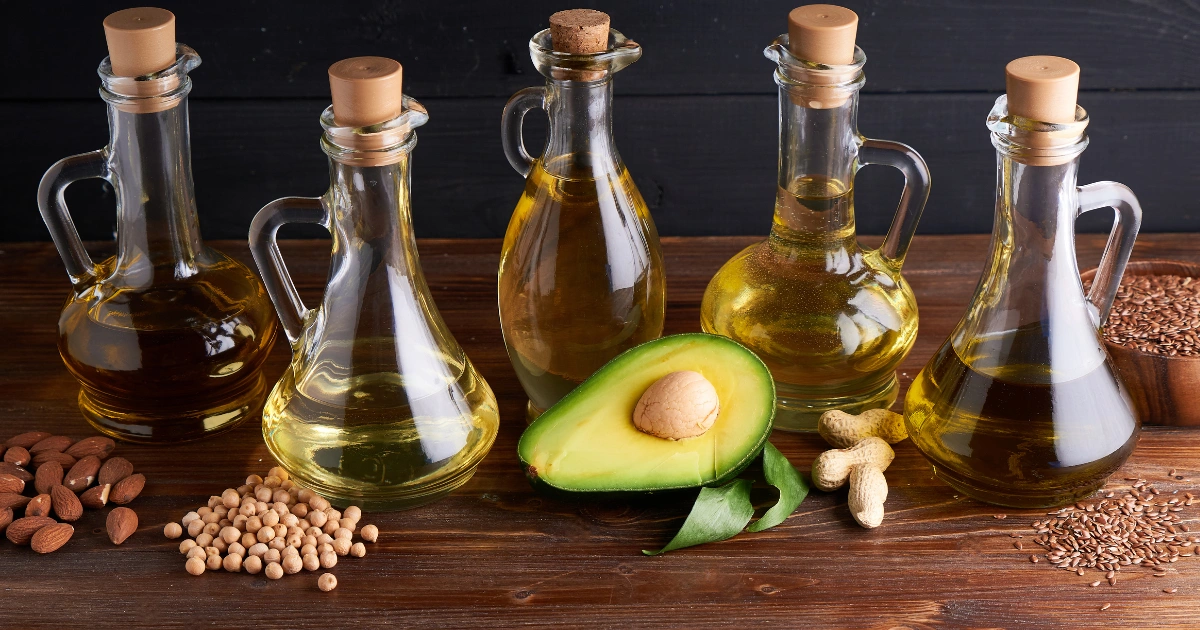
Cooking oil is one of the most important ingredients in any kitchen, yet many people choose oils based only on flavor or popularity. In reality, different oils behave very differently under heat. Using the wrong oil at the wrong temperature can affect taste, texture, nutrition, and even produce harmful compounds.
Understanding smoke points, fat composition, and ideal cooking ranges helps improve cooking performance while protecting flavor and food quality. From frying and roasting to sautéing and finishing dishes, every oil has strengths and limitations.
This guide explains the most common cooking oils, their ideal temperature ranges, and how to choose the right oil for different cooking methods.
What Is a Smoke Point?
The smoke point is the temperature at which oil begins to break down and produce visible smoke.
When oil overheats:
- Flavor deteriorates
- Nutrients break down
- Free radicals may form
- Harmful compounds such as aldehydes can develop
Once an oil reaches its smoke point, it becomes less stable and may negatively affect both food quality and health.
Why Cooking Temperature Matters
Different cooking methods require different temperature ranges.
Low-Heat Cooking
- Butter sauces
- Gentle sautéing
- Finishing dishes
Medium-Heat Cooking
- Pan frying
- Stir-frying
- Roasting vegetables
High-Heat Cooking
- Deep frying
- Searing
- Grilling
Choosing a heat-stable oil helps prevent burning and maintains better flavor.
Butter
Butter adds rich flavor but has one of the lowest smoke points.
Approximate Smoke Point
- Around 350°F (177°C)
Why Butter Burns Easily
Butter contains:
- Water
- Milk solids
- Butterfat
The milk solids brown and burn quickly under high heat.
Best Uses for Butter
- Baking
- Low-heat cooking
- Sauces
- Finishing vegetables
- Pancakes and eggs
Advantages
- Rich flavor
- Excellent browning
- Creamy texture
Drawbacks
- Burns quickly
- Not ideal for deep frying
Extra Virgin Olive Oil
Extra virgin olive oil is widely praised for its flavor and heart-healthy fats.
Approximate Smoke Point
- Around 320–400°F (160–204°C)
Smoke point varies depending on quality and purity.
Best Uses for Extra Virgin Olive Oil
- Salad dressings
- Light sautéing
- Roasting
- Dipping
- Mediterranean dishes
Benefits
- Rich in antioxidants
- Contains monounsaturated fats
- Strong flavor profile
Common Misconception
Many people believe olive oil cannot be heated. In reality, high-quality olive oil is suitable for many moderate-heat cooking methods.
Coconut Oil
Coconut oil is solid at room temperature and has a mild tropical flavor.
Approximate Smoke Point
- Around 350°F (177°C)
Best Uses for Coconut Oil
- Baking
- Medium-heat sautéing
- Curries
- Desserts
Advantages
- Stable texture
- Long shelf life
- Distinct flavor
Considerations
Coconut oil is high in saturated fat, so moderation is often recommended.
Avocado Oil
Avocado oil is one of the most heat-stable cooking oils available.
Approximate Smoke Point
- Refined avocado oil: up to 520°F (271°C)
- Unrefined avocado oil: around 480°F (249°C)
Best Uses for Avocado Oil
- Searing
- Grilling
- Deep frying
- High-heat roasting
Why Chefs Like It
- Neutral flavor
- Extremely high smoke point
- Smooth texture
Avocado oil is often considered one of the most versatile oils for high-temperature cooking.
Ghee
Ghee is clarified butter with milk solids removed.
Approximate Smoke Point
- Around 485°F (252°C)
Because the milk solids are removed, ghee is much more heat stable than regular butter.
Best Uses for Ghee
- Indian cooking
- Frying
- Roasting
- High-heat sautéing
Benefits
- Rich buttery flavor
- High smoke point
- Long shelf stability
Sesame Oil
Sesame oil comes in two main forms:
- Light sesame oil
- Toasted sesame oil
Smoke Point
- Around 350–410°F depending on type
Best Uses for Sesame Oil
- Stir-fries
- Asian dishes
- Marinades
- Sauces
Important Difference
Toasted sesame oil has a much stronger flavor and is usually used as a finishing oil rather than for intense frying.
Sunflower Oil
Sunflower oil is commonly used for frying because of its relatively high smoke point and neutral flavor.
Approximate Smoke Point
- Around 450°F (232°C)
Best Uses for Sunflower Oil
- Frying
- Roasting
- Baking
- High-heat cooking
Advantages
- Mild taste
- Affordable
- Good heat tolerance
Lard
Lard is rendered pork fat traditionally used in many cuisines.
Approximate Smoke Point
- Around 370°F (188°C)
Best Uses for Lard
- Frying
- Pie crusts
- Traditional baking
- Roasted potatoes
Why Some Cooks Prefer Lard
- Excellent texture
- Crisp frying results
- Rich flavor
Harmful Compounds from Overheated Oils
When oils exceed their smoke point, oxidation accelerates.
This may produce:
- Free radicals
- Aldehydes
- Oxidized fats
Repeated overheating can reduce oil quality and negatively affect taste.
Signs Oil Has Overheated
- Smoke production
- Bitter smell
- Darkened color
- Sticky texture
Best Oils by Cooking Method
Best Oils for High Heat
- Avocado oil
- Ghee
- Sunflower oil
Best Oils for Medium Heat
- Olive oil
- Sesame oil
- Coconut oil
Best Oils for Low Heat or Finishing
- Butter
- Extra virgin olive oil
- Toasted sesame oil
Refined vs Unrefined Oils
Refining changes smoke point and flavor.
Refined Oils
- Higher smoke points
- Milder flavor
- Better for frying
Unrefined Oils
- Stronger flavor
- More nutrients retained
- Lower smoke points
How to Store Cooking Oils Properly
Heat, light, and oxygen can degrade oils over time.
Storage Tips
- Keep bottles tightly sealed
- Store away from sunlight
- Avoid heat exposure
- Use dark glass containers when possible
Rancid oil develops:
- Bitter flavor
- Unpleasant smell
- Sticky consistency
Common Cooking Oil Mistakes
Using Butter for High-Heat Frying
Butter burns quickly because of milk solids.
Reusing Oil Too Many Times
Repeated heating accelerates oxidation and breakdown.
Ignoring Smoke Point
Cooking beyond an oil’s limit damages flavor and stability.
Choosing Oil Only by Health Trends
The best oil depends on:
- Cooking method
- Temperature
- Flavor preference
- Recipe type
Frequently Asked Questions
What is the healthiest cooking oil?
There is no single healthiest oil. Olive oil and avocado oil are commonly recommended for balanced nutrition and versatility.
Which oil is best for frying?
Avocado oil, sunflower oil, and refined peanut oil are popular for high-heat frying.
Why does oil smoke in the pan?
The oil has likely reached or exceeded its smoke point.
Is extra virgin olive oil safe for cooking?
Yes. It works well for many moderate-heat cooking methods.
What oil has the highest smoke point?
Refined avocado oil is among the highest, reaching around 520°F.
Final Thoughts
Different cooking oils serve different purposes, and understanding smoke points can significantly improve both cooking performance and food quality. Choosing the correct oil helps preserve flavor, prevent burning, and support safer cooking at various temperatures.
For everyday kitchens:
- Olive oil works well for moderate heat
- Butter adds flavor at lower temperatures
- Avocado oil excels at high heat
- Ghee offers buttery flavor with excellent heat stability
Using oils correctly is one of the easiest ways to elevate cooking results while protecting texture, aroma, and nutritional quality.