
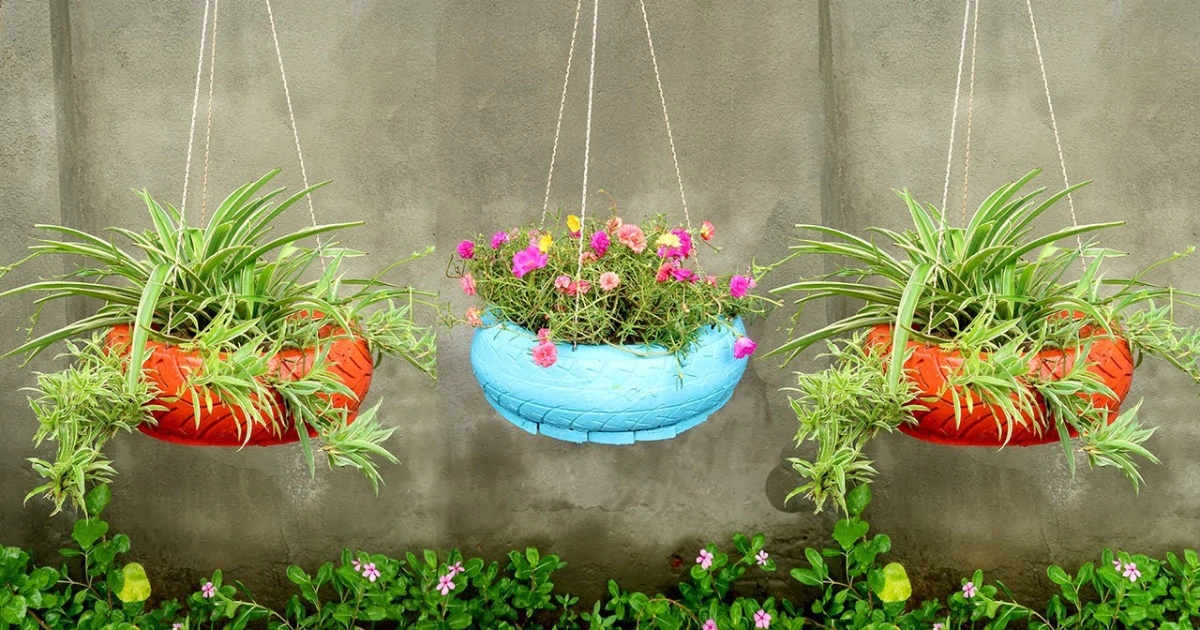
Reusing old tires as garden planters is a creative and budget-friendly way to recycle materials while adding personality to outdoor spaces. Instead of sending worn tires to landfills, gardeners can transform them into decorative flower beds, raised planters, or colorful container gardens that support sustainable living.
DIY tire planters are especially popular because they are durable, customizable, and suitable for a wide range of plants. With a little preparation and creativity, an old tire can become an attractive focal point in patios, balconies, vegetable gardens, or backyard landscapes.
Why DIY Tire Planters Are Popular
Tire planters combine recycling with practical gardening. Tires are naturally strong, weather-resistant, and capable of holding large amounts of soil, making them useful for container gardening projects.
Benefits of tire planters include:
- Affordable garden containers
- Reduced waste through recycling
- Long-lasting durability
- Easy customization with paint or wood
- Suitable for flowers, herbs, and vegetables
Many gardeners also appreciate the rustic or modern appearance tire planters can create when combined with wood, paint, or decorative edging.
Step 1: Prepare the Tire Properly
Clean the Tire Thoroughly
Before using any tire for planting, clean it carefully to remove dirt, oils, and debris. Use water, soap, and a stiff brush to scrub both the inside and outside surfaces.
Allow the tire to dry completely before continuing the project.
Cleaning helps:
- Improve paint adhesion
- Remove surface contaminants
- Reduce odor
- Create a cleaner planting environment
Choose the Right Tire
Smaller car tires work well for compact flowers and herbs, while larger tractor or truck tires can support raised garden beds.
When selecting tires, consider:
- Available garden space
- Plant root depth
- Overall planter design
- Weight and mobility
Avoid severely damaged or cracked tires that may not remain stable over time.
Step 2: Add a Decorative Frame
Building a Wooden Frame Around the Tire
Adding a wooden exterior frame instantly improves the appearance of a tire planter. Wooden slats or boards can hide the rubber while creating a natural garden look.
Popular materials include:
- Cedar boards
- Reclaimed wood
- Fence pickets
- Pressure-treated lumber for outdoor durability
The frame can be attached directly around the tire using screws or brackets.
Benefits of a Wood-Tire Combination
This combination offers several advantages:
- More attractive appearance
- Improved structural support
- Better integration into landscapes
- Easier customization with stains and paint
Wood also softens the industrial appearance of rubber, helping the planter blend naturally into garden environments.
Step 3: Paint or Finish the Exterior
Choosing a Style
One of the best features of DIY tire planters is customization. Gardeners can paint, stain, or decorate the outer surface to match their outdoor style.
Popular design options include:
- Rustic wood stain
- Bright floral colors
- Neutral earthy tones
- Modern matte finishes
- Cottage garden aesthetics
Outdoor-safe paint or sealant helps protect the materials from weather damage.
Why Finishing Matters
A finished planter often:
- Looks more polished
- Lasts longer outdoors
- Resists moisture damage
- Enhances curb appeal
Finishing the exterior can transform a basic recycled tire into a professional-looking garden feature.
Step 4: Prepare for Drainage
Why Drainage Is Essential
Proper drainage is one of the most important aspects of successful container gardening. Without drainage holes, excess water may collect inside the tire, leading to root rot and poor plant health.
Drill several small holes into the bottom section to allow water to escape.
Improving Soil Conditions
To further improve drainage:
- Add gravel or stones at the base
- Use lightweight potting mix
- Avoid compacted soil
- Raise the planter slightly off the ground if possible
Healthy drainage supports stronger root systems and healthier plants.
Step 5: Fill With Soil and Plants
Choosing the Right Soil
Container gardens perform best with high-quality potting mix rather than dense garden soil.
A good mix should provide:
- Proper drainage
- Moisture retention
- Nutrient availability
- Good root aeration
Adding compost can further improve soil fertility.
Best Plants for Tire Planters
Many plants thrive in recycled tire planters, including:
- Petunias
- Marigolds
- Lavender
- Herbs
- Strawberries
- Lettuce
- Succulents
- Small vegetables
Colorful flowers are especially popular because they create strong visual contrast against dark tires or wooden frames.
Creative DIY Tire Planter Ideas
Stacked Tire Gardens
Multiple tires can be stacked vertically to create layered flower towers or raised vegetable beds.
Hanging Tire Planters
Mounted tires can become hanging planters for trailing flowers and vines.
Painted Children’s Garden Planters
Brightly painted tire planters are commonly used in family gardens and school projects.
Rustic Farmhouse Designs
Combining wood frames with natural stains creates a farmhouse-style planter that fits cottage gardens beautifully.
Environmental Benefits of Recycled Tire Gardening
Repurposing old tires helps reduce landfill waste and encourages sustainable gardening practices.
Benefits include:
- Reduced environmental waste
- Creative material reuse
- Lower gardening costs
- Sustainable landscaping solutions
Upcycling projects like tire planters promote environmentally conscious gardening while encouraging creativity.
Common Mistakes to Avoid
Poor Drainage
Without drainage holes, plants may quickly develop root problems.
Using Heavy Garden Soil
Dense soil compacts easily inside containers and restricts root growth.
Overcrowding Plants
Too many plants can compete for water, nutrients, and airflow.
Placing Planters in Incorrect Lighting
Always match plant selection to available sunlight conditions.
Ignoring Weather Exposure
Paints and untreated wood may deteriorate faster in harsh outdoor conditions.
Fascinating Facts About Container Gardening
- Container gardening allows plants to grow in areas with poor native soil.
- Raised planters often warm up faster in spring.
- Recycled materials are increasingly popular in sustainable landscaping.
- Good drainage is essential for nearly all container-grown plants.
- Vertical container gardening can maximize small outdoor spaces.
Frequently Asked Questions
Are tire planters safe for gardening?
Many gardeners use tire planters successfully for ornamental plants and flowers. Some prefer using liners or avoiding edible crops directly in tires as an extra precaution.
What plants grow best in tire planters?
Flowers, herbs, succulents, strawberries, and compact vegetables often perform well in tire planters.
How do you prevent water buildup in tire planters?
Drill drainage holes in the bottom and use well-draining potting soil.
Can tire planters be painted?
Yes. Outdoor-safe paint designed for rubber or exterior surfaces works best.
Do tire planters last outdoors?
Yes. Tires are highly durable and can withstand outdoor weather conditions for many years.
Internal Linking Suggestions
For stronger topical relevance on secretsofthegreengarden.com, consider linking to:
- “Creative Raised Garden Bed Ideas”
- “Best Flowers for Container Gardening”
- “Simple Backyard Recycling Projects for Gardeners”
External Linking Suggestions
For trustworthy gardening and sustainability resources, consider linking to:
- United States Environmental Protection Agency – Sustainable Materials Management
- University of Minnesota Extension – Container Gardening Basics
- Royal Horticultural Society – Container Gardening Advice
Conclusion
DIY tire planters are an excellent example of how creativity and sustainability can work together in the garden. By repurposing old tires into decorative planting containers, gardeners can reduce waste while building durable and attractive outdoor features.
With proper drainage, quality soil, and thoughtful design, recycled tire planters can support healthy flowers, herbs, and vegetables for years to come.