
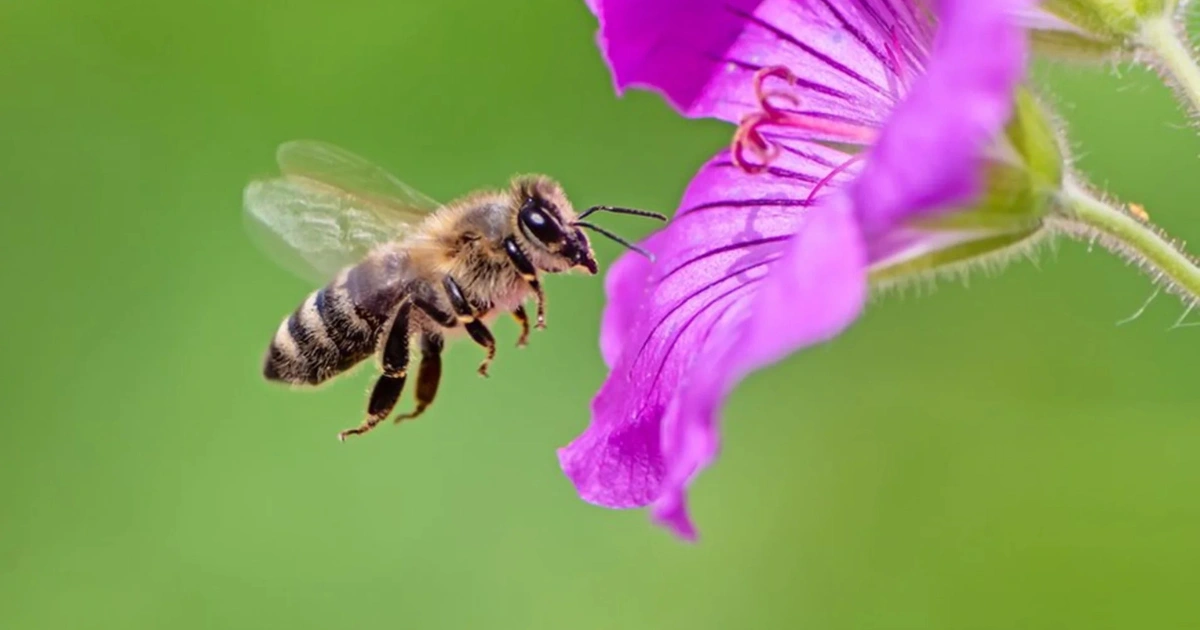
Honey is far more diverse than many people realize. Its color, flavor, texture, aroma, and nutritional profile can vary dramatically depending on the flowers visited by bees and the breed of bee producing it. Around the world, beekeepers carefully select bee breeds based on climate, honey yield, temperament, and adaptability to local environments.
Understanding the relationship between bee breeds and honey types helps explain why some honeys are light and mild while others are dark, rich, and intensely flavored. It also provides valuable insight for gardeners, beekeepers, and consumers interested in pollination, biodiversity, and sustainable honey production.
Why Bee Breeds Matter in Honey Production
Different honey bee breeds have unique behavioral and biological traits that influence honey production. Some bees thrive in cold climates, while others are known for high honey yields or gentle behavior.
Bee genetics can affect:
- Honey production volume
- Pollination efficiency
- Adaptation to weather conditions
- Disease resistance
- Temperament and hive management
The most common managed honey bee species worldwide is Apis mellifera, but within this species are several important regional bee breeds.
Wildflower Honey and Dark Bees
What Is Wildflower Honey?
Wildflower honey is produced when bees collect nectar from a wide variety of flowering plants rather than a single plant species. This creates a complex flavor profile that changes depending on season and location.
Wildflower honey is often valued for:
- Rich aroma
- Diverse floral notes
- Natural enzyme content
- Regional flavor variation
Mediterranean wildflower honey, for example, may contain nectar from herbs such as thyme, lavender, and rosemary.
Characteristics of Dark Bees
Dark bees, often associated with the European dark bee (Apis mellifera mellifera), are well adapted to cooler climates and harsh weather conditions.
Key traits include:
- Strong winter survival
- Efficient food conservation
- Good resistance to cold environments
- Defensive but resilient behavior
These bees are commonly preferred in northern regions where winters are long and nectar seasons are shorter.
Italian Bees and High-Yield Honey
Why Italian Bees Are Popular
Italian bees are among the most widely used honey bee breeds in commercial beekeeping. Known for their gentle nature and productivity, they are especially favored by beginner beekeepers.
Important characteristics include:
- Calm temperament
- Strong colony growth
- High honey production
- Excellent foraging activity
Italian bees perform best in warm climates with long flowering seasons.
High-Yield Honey Production
Colonies of Italian bees are known for producing consistent honey harvests under favorable conditions. Because they maintain large worker populations, they can gather nectar efficiently during peak bloom periods.
Beekeepers often choose Italian bees when prioritizing:
- Commercial honey output
- Easy hive management
- Reliable spring buildup
- Strong pollination activity
Carpathian Bees and Light Honey
What Makes Light Honey Different?
Light honey varieties are generally mild in flavor and lighter in color because they come from delicate floral nectar sources such as clover, acacia, or spring blossoms.
These honeys are popular because they offer:
- Mild sweetness
- Smooth texture
- Versatile culinary use
- Attractive golden appearance
Carpathian Bee Traits
Carpathian bees are recognized for their gentle behavior and efficient spring colony development. Originating from mountainous regions of Eastern Europe, they adapt well to changing seasonal conditions.
Notable advantages include:
- Calm temperament
- Rapid spring buildup
- Good overwintering ability
- Efficient nectar collection
Their strong early-season activity helps produce abundant spring honey harvests.
Oak and Chestnut Honey With Caucasian Bees
Characteristics of Dark Forest Honey
Oak and chestnut honey varieties are darker and more robust than floral honeys. These honeys are often associated with forest ecosystems and contain mineral-rich nectar or honeydew sources.
Typical features include:
- Deep amber or dark brown color
- Strong earthy flavor
- Less sweetness than light honey
- Higher mineral content
These bold honey varieties are especially popular in parts of Europe.
Caucasian Bee Adaptations
Caucasian bees are known for their calm behavior and ability to thrive in cooler climates. They possess relatively long tongues, allowing them to access nectar from flowers that other bees may struggle to forage.
Advantages of Caucasian bees include:
- Gentle colony behavior
- Effective nectar gathering
- Strong cold-weather tolerance
- Good hive stability
Because they work efficiently in cooler temperatures, they are valuable in mountainous or temperate regions.
Manuka Honey and Specialized Pollination
What Makes Manuka Honey Unique?
Manuka honey originates primarily from New Zealand, where bees pollinate the manuka shrub (Leptospermum scoparium). This honey is internationally recognized for its distinctive composition and premium market value.
Manuka honey is known for:
- Rich earthy flavor
- Thick texture
- Dark golden color
- High commercial demand
Its limited production area contributes significantly to its high price.
Bees Used in Manuka Pollination
Beekeepers place hives near manuka flowering regions during bloom seasons to maximize nectar collection. The bees themselves are not a separate species, but colonies are strategically managed to focus on manuka pollination.
Because flowering windows are relatively short, successful honey production depends heavily on:
- Weather conditions
- Colony strength
- Flower availability
- Careful hive placement
How Climate Influences Bee Breeds and Honey Types
Climate plays a major role in determining which bee breeds succeed in a region and what honey varieties can be produced.
Cold Climate Bee Breeds
Bee breeds adapted to colder conditions often show:
- Better winter clustering behavior
- Reduced food consumption
- Greater resilience during long winters
Examples include:
- Dark bees
- Caucasian bees
- Carpathian bees
Warm Climate Bee Breeds
Warmer regions favor highly productive colonies with long foraging seasons.
Italian bees excel in these environments because they:
- Expand colonies rapidly
- Maintain active brood production
- Gather nectar continuously during long flowering periods
Choosing the Right Bee Breed for Beekeeping
Beekeepers select bee breeds based on several factors beyond honey production alone.
Important considerations include:
- Local climate
- Disease resistance
- Temperament
- Swarming tendencies
- Nectar availability
- Desired honey type
No single bee breed is ideal for every environment. Successful beekeeping often depends on matching bee genetics to regional conditions.
Fascinating Facts About Bees and Honey
- Honey bees visit millions of flowers to produce a single jar of honey.
- Different flower sources dramatically influence honey flavor and color.
- Bees communicate food locations using the “waggle dance.”
- Honey naturally contains antioxidants and trace minerals.
- Some honey varieties remain liquid longer depending on sugar composition.
Frequently Asked Questions
Which bee breed produces the most honey?
Italian bees are widely considered one of the highest-yielding honey bee breeds under favorable conditions.
Why is some honey darker than others?
Honey color depends largely on nectar source. Forest and chestnut honeys are typically darker and richer in flavor than floral honeys.
What is special about Manuka honey?
Manuka honey comes mainly from New Zealand manuka plants and is valued for its unique composition and limited production.
Are all honey bees the same species?
Most managed honey bees belong to Apis mellifera, but there are multiple regional breeds with distinct characteristics.
Which bee breed is best for cold climates?
Dark bees, Carpathian bees, and Caucasian bees are often preferred for colder regions because of their winter hardiness.
Internal Linking Suggestions
For stronger topical authority on secretsofthegreengarden.com, consider internally linking to related content such as:
- “Plants That Attract Pollinators to Your Garden”
- “How to Support Bees Naturally in Backyard Spaces”
- “The Importance of Pollinators in Food Production”
External Linking Suggestions
For trustworthy reference material, consider linking to:
- United States Department of Agriculture – Honey Bee Research
- University of California Agriculture and Natural Resources – Honey Bee Biology
- Food and Agriculture Organization – Pollinators and Food Security
Conclusion
Bee breeds and honey types are closely connected through climate, floral resources, and bee behavior. From hardy dark bees producing rich wildflower honey to Italian bees known for abundant honey harvests, each breed contributes unique strengths to modern beekeeping.
Understanding these differences helps consumers appreciate the diversity of honey while supporting sustainable pollination and biodiversity. As pollinator populations face increasing environmental pressure, responsible beekeeping and habitat protection remain essential for the future of honey production worldwide.