
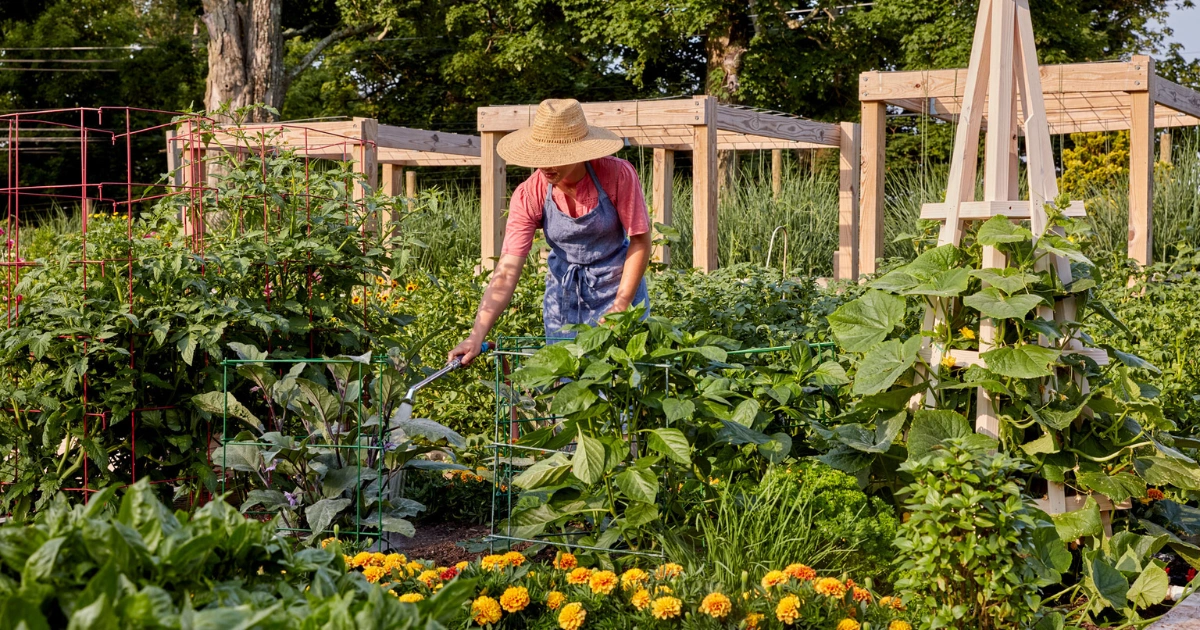
Companion planting is a time-tested gardening method that pairs compatible plants together to improve growth, reduce pests, attract pollinators, and maximize garden productivity. By understanding which plants naturally support one another, gardeners can create healthier ecosystems while reducing the need for chemical pesticides and excessive maintenance.
Many successful companion planting combinations rely on natural relationships between vegetables, herbs, and flowers. Some plants repel harmful insects, while others improve soil quality, provide shade, or attract beneficial pollinators.
Whether you grow vegetables in raised beds, containers, or backyard gardens, companion planting can significantly improve harvest quality and overall plant health.
What Is Companion Planting?
Companion planting is the practice of growing certain plants close together because they provide mutual benefits. These benefits may include:
- Natural pest control
- Improved pollination
- Better soil fertility
- Weed suppression
- Moisture retention
- Increased crop yields
This gardening technique has been used for centuries in traditional agriculture and remains popular in organic gardening systems today.
Why Companion Planting Works
Plants interact with their environment in complex ways. Some release natural compounds that repel pests, while others attract pollinating insects or improve soil structure.
Companion planting works by creating biodiversity within the garden, which helps reduce pest outbreaks and strengthens ecosystem balance.
Benefits of companion planting include:
- Fewer harmful insects
- Better pollinator activity
- Improved plant vigor
- More efficient use of space
- Reduced disease pressure
Gardens with diverse plant combinations are often more resilient than single-crop planting systems.
Tomato and Basil: A Classic Garden Pair
Why Basil Benefits Tomatoes
Tomatoes and basil are one of the most popular companion planting combinations. Basil may help deter certain insect pests while also attracting pollinators.
Benefits of planting basil near tomatoes include:
- Improved pollinator activity
- Possible reduction in pest pressure
- Efficient use of garden space
- Easy harvesting for culinary use
Both plants also share similar sunlight and watering requirements, making them easy to grow together.
Growing Tips
For best results:
- Plant basil around tomato bases
- Provide full sunlight
- Maintain good airflow
- Avoid overcrowding
This combination works especially well in raised beds and container gardens.
Peppers and Marigolds for Pest Control
How Marigolds Help the Garden
Marigolds are widely used in companion planting because of their strong scent and ability to attract beneficial insects.
When planted near peppers, marigolds may help deter:
- Aphids
- Whiteflies
- Nematodes
- Certain beetles
Their bright flowers also attract pollinators that improve fruit production.
Best Growing Conditions
Peppers and marigolds thrive under similar conditions:
- Full sun exposure
- Warm temperatures
- Well-draining soil
- Moderate watering
This pairing creates both functional and visually attractive garden beds.
Carrots and Chives Improve Garden Health
Why Chives Benefit Carrots
Chives release sulfur-containing compounds that may help confuse or repel pests such as carrot flies.
Additional advantages include:
- Compact growth habit
- Pollinator-friendly flowers
- Efficient space usage
- Minimal competition with carrots
Because carrots grow underground while chives grow vertically, they make efficient use of limited garden space.
Companion Planting Benefits
This combination supports:
- Reduced pest pressure
- Improved biodiversity
- Better garden organization
- Easier crop management
Cucumbers and Nasturtiums
Natural Pest Diversion
Nasturtiums are often used as trap crops because they attract pests away from vegetables. When planted near cucumbers, they may lure aphids and beetles away from cucumber vines.
Nasturtiums also attract pollinators, which can improve cucumber fruit production.
Additional Benefits
This pairing offers:
- Ground cover that reduces weeds
- Improved pollinator presence
- More efficient garden spacing
- Added ornamental beauty
Their sprawling growth habits complement one another well.
Lettuce and Radishes Grow Well Together
Efficient Use of Garden Space
Lettuce and radishes are ideal cool-season companions because they mature quickly and occupy different root zones.
Radishes help loosen soil as they grow, while lettuce provides light shading that may help retain moisture.
Advantages of This Combination
Benefits include:
- Faster harvest cycles
- Better moisture retention
- Reduced soil compaction
- Efficient raised-bed planting
This combination is especially useful in spring and fall gardens.
Beans and Sunflowers
Natural Vertical Support
Sunflowers can act as living supports for climbing bean varieties. Their tall stalks create vertical growing opportunities that maximize space in small gardens.
Beans also contribute nitrogen to the soil, benefiting nearby plants.
Pollinator Attraction
Sunflowers attract:
- Bees
- Butterflies
- Beneficial insects
This increased pollinator activity supports the entire garden ecosystem.
Squash and Nasturtiums
Protecting Squash Plants Naturally
Squash plants are vulnerable to pests such as squash bugs and aphids. Nasturtiums may help distract or repel some of these insects while attracting pollinators.
Their spreading habit also helps cover exposed soil.
Why This Pairing Works
This companion planting combination provides:
- Better pollinator access
- Reduced weed growth
- Increased biodiversity
- Improved garden aesthetics
The bright flowers also add visual interest to vegetable beds.
Onion and Chamomile
Supporting Healthy Growth
Chamomile is often associated with improved plant health and pollinator activity. When paired with onions, it contributes to a more diverse and balanced garden environment.
Chamomile flowers attract beneficial insects while onions may help deter certain pests through their strong scent.
Garden Benefits
Together, these plants may support:
- Improved insect diversity
- Better pollination nearby
- Natural pest management
- More resilient garden ecosystems
Common Companion Planting Mistakes
Overcrowding Plants
Even compatible plants need enough airflow and root space to grow properly.
Ignoring Sunlight Needs
Companion plants should share similar light and watering requirements.
Planting Aggressive Species Together
Some plants compete heavily for nutrients and space, reducing productivity.
Neglecting Crop Rotation
Companion planting works best when combined with seasonal crop rotation practices.
Benefits of Biodiversity in Vegetable Gardens
Diverse gardens are generally healthier because they support a wider range of insects, microorganisms, and pollinators.
Biodiversity may help:
- Reduce pest outbreaks
- Improve soil quality
- Increase pollination
- Support beneficial insects
- Strengthen ecosystem resilience
Companion planting is one of the easiest ways to create a more balanced garden naturally.
Fascinating Facts About Companion Planting
- Marigolds are commonly planted in organic gardens for pest management.
- Basil and tomatoes share similar growing conditions, making them excellent companions.
- Nasturtiums are edible flowers often used in salads.
- Beans naturally improve soil nitrogen levels.
- Sunflowers can support climbing plants while attracting pollinators.
Frequently Asked Questions
What is companion planting?
Companion planting is the practice of growing compatible plants together to improve growth, reduce pests, and support healthier gardens.
Which plants grow best with tomatoes?
Basil, marigolds, onions, and carrots are commonly recommended tomato companions.
Do marigolds really repel pests?
Marigolds may help reduce certain pests through their scent and root compounds while attracting beneficial insects.
Can companion planting improve pollination?
Yes. Many flowering companion plants attract bees and pollinators that support vegetable production.
Is companion planting useful in small gardens?
Absolutely. Companion planting helps maximize space and improve productivity in raised beds and container gardens.
Internal Linking Suggestions
For stronger topical relevance on secretsofthegreengarden.com, consider linking to:
- “Best Pollinator-Friendly Flowers for Vegetable Gardens”
- “Natural Pest Control Methods for Organic Gardening”
- “How to Build a Productive Raised Bed Garden”
External Linking Suggestions
For reliable gardening and agricultural references, consider linking to:
- University of Minnesota Extension – Companion Planting in Home Gardens
- Cornell University Gardening Resources
- Old Farmer’s Almanac – Companion Planting Chart
Conclusion
Companion planting is a practical and sustainable gardening strategy that supports healthier plants, stronger pollination, and natural pest management. By combining compatible vegetables, herbs, and flowers, gardeners can create productive ecosystems that require fewer chemical interventions.
From tomatoes and basil to cucumbers and nasturtiums, these plant partnerships demonstrate how biodiversity can improve both garden performance and environmental health.