
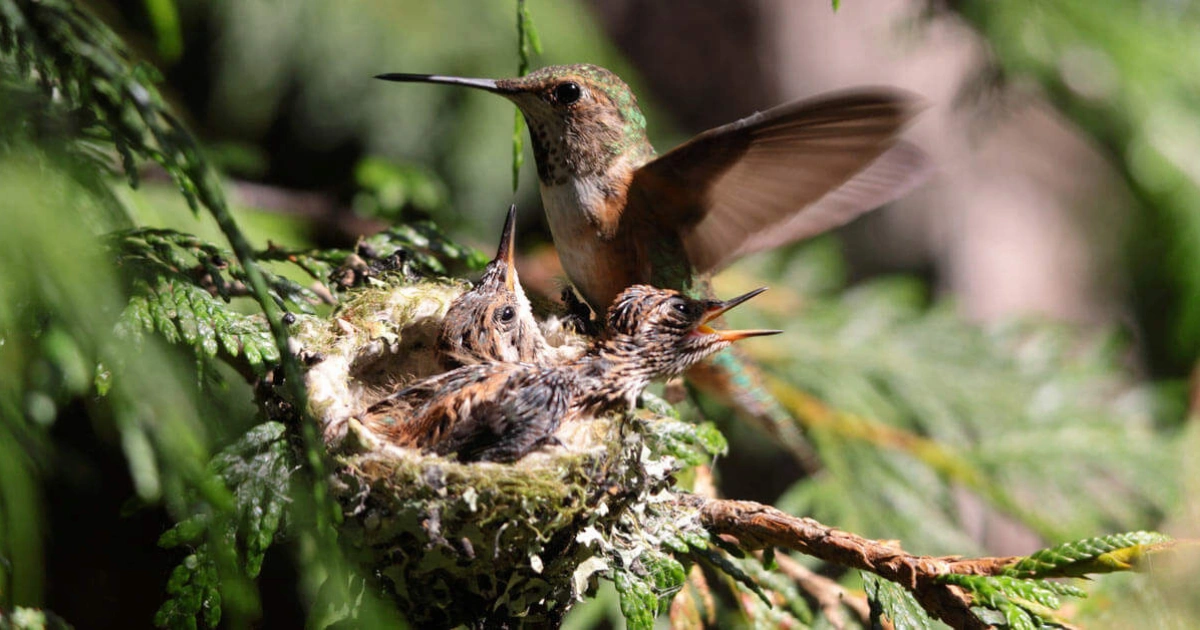
Providing safe materials for nesting birds is an important step for supporting wildlife in your garden. Birds rely on natural, non-toxic materials to build nests that protect their eggs and chicks from harm. Using unsafe materials like dryer lint or synthetic fibers can be dangerous.
Why Some Materials Are Unsafe
Certain household items may seem convenient for nest building, but they pose serious risks:
- Dryer lint: When wet, it hardens and can trap chicks, making it a hazardous material.
- Synthetic yarn or fabric: These materials do not break down naturally and can entangle birds.
- Tinsel and colored fabrics: Non-natural fibers may contain chemicals and dyes that are harmful if ingested or if chicks become entangled.
Avoid placing these materials near nesting sites to prevent injury or death.
Safe Materials for Bird Nests
Birds thrive when provided with natural, untreated materials. The following options are safe and promote healthy nest construction:
- Natural twine: Cut into 3–4 inch pieces, twine provides birds with flexible binding material.
- Dried grass and moss: Lightweight, biodegradable, and easy for birds to weave.
- Tiny twigs: Add structural support without posing entanglement risks.
- Animal fur (untreated): Soft material ideal for lining nests.
- Plant down feathers: Natural insulation for eggs and hatchlings.
Providing these materials encourages birds to build sturdy, safe nests while allowing gardeners to engage with wildlife responsibly.
Tips for Setting Up a Nesting Station
To maximize the success of your bird-friendly efforts:
- Offer materials in a protected area, such as near shrubs or trees.
- Ensure that materials are kept dry to prevent mold or bacteria growth.
- Set up the nesting station by early spring to coincide with breeding season.
- Rotate materials regularly to ensure fresh supplies.
Additional Considerations
- Avoid placing materials in areas with heavy human traffic or predator exposure.
- Keep nesting materials separate from food sources to prevent contamination.
- Educate family and neighbors on the importance of using safe nesting materials.
By providing safe nesting materials, gardeners can support local bird populations, encourage natural breeding behavior, and enjoy the presence of birds in their backyard.
Recommended Reading
- National Audubon Society – Backyard Birding and Nesting Tips: https://www.audubon.org/news/backyard-birding
- Cornell Lab of Ornithology – Building Safe Birdhouses and Nests: https://www.allaboutbirds.org/news/how-to-create-a-bird-friendly-backyard/
Setting up a safe nesting station early in spring not only benefits the birds but also enhances your garden ecosystem, attracting a variety of species and creating a thriving backyard habitat.