
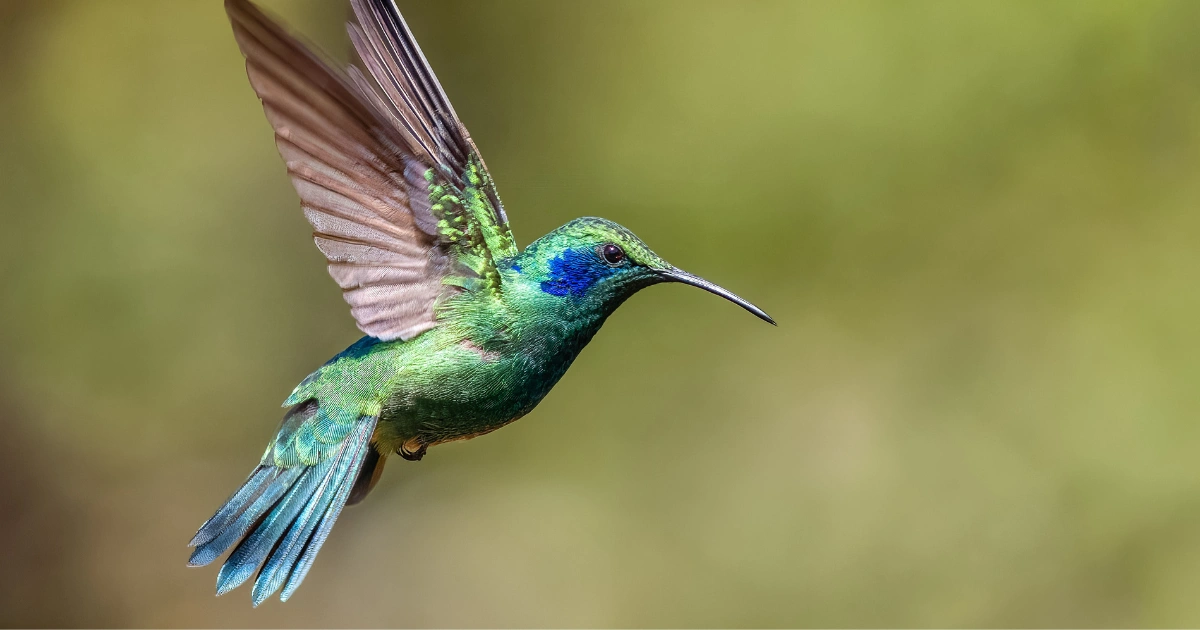
The hummingbird moth, also known as Hemaris thysbe in North America, is one of nature’s most fascinating examples of accidental mimicry. Despite being a moth, it closely resembles a hummingbird in flight and feeding behavior. This article explores the biology, behavior, and evolutionary advantages of the hummingbird moth, providing insights into why this insect has captivated naturalists and gardeners alike.
Understanding the Hummingbird Moth
Hummingbird moths are diurnal moths, which means they are active during the day, unlike most moths. They belong to the Sphingidae family, commonly called hawk moths. Their unique wing structure and rapid beating allow them to hover in front of flowers while feeding on nectar, mimicking hummingbirds with striking precision.
Flight Mechanics
The wings of the hummingbird moth beat approximately 70 times per second. This rapid motion generates the same hovering effect seen in hummingbirds, providing stability while feeding. Unlike hummingbirds, the moth achieves this with transparent wing patches where scales are absent. This feature is not a defect but an evolutionary adaptation that enhances agility and efficiency in flight.
Proboscis Adaptation
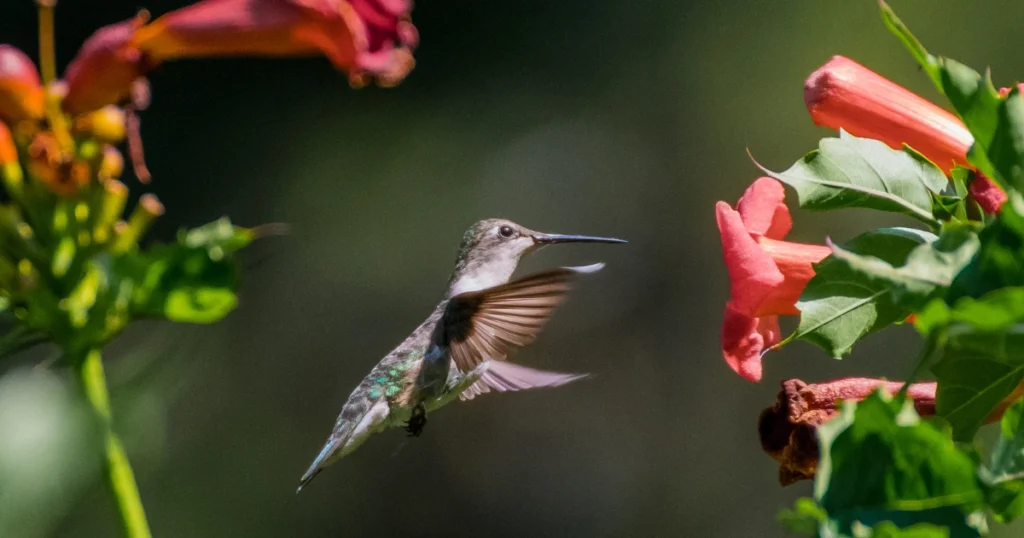
Hummingbird moths have an elongated proboscis that can extend up to 1.5 times their body length. This adaptation allows them to access nectar deep within tubular flowers, including trumpet-shaped blooms that other insects cannot reach. The feeding technique increases pollination efficiency, benefiting both the moth and the plant.
Evolutionary Significance
Although hummingbird moths share many traits with hummingbirds, they are completely unrelated. Their resemblance is a result of convergent evolution—two species independently evolving similar solutions to common ecological challenges. In this case, the challenge is efficient nectar feeding and hovering flight, leading to strikingly similar appearance and behavior.
Advantages of Mimicry
- Predator Avoidance: By resembling hummingbirds, these moths may evade predators that typically avoid birds.
- Resource Access: Their mimicry enables access to flowers that are primarily pollinated by birds.
- Efficient Feeding: Hovering flight allows rapid and precise nectar collection without landing.
Common Species and Habitat
Hummingbird moths are widely distributed across North America, Europe, and parts of Asia. Popular species include the snowberry clearwing (Hemaris diffinis) and the hummingbird clearwing (Hemaris thysbe). These moths thrive in gardens, meadows, and woodland edges where nectar-rich flowers are abundant.
Feeding and Pollination
The hummingbird moth is an important pollinator. It feeds primarily on nectar from flowers such as honeysuckle, phlox, and trumpet vine. While feeding, the moth inadvertently transfers pollen between flowers, supporting plant reproduction. Unlike other moths that are nocturnal, daytime activity ensures pollination during peak flowering hours.
Behavior and Life Cycle
- Egg: Laid on host plants such as honeysuckle and snowberry.
- Larva: Caterpillars feed on leaves of host plants.
- Pupa: Forms a cocoon in leaf litter.
- Adult: Emerges with transparent wings and begins nectar feeding.
Hummingbird Moth vs Hummingbird
Despite striking similarities, there are distinct differences between the moth and true hummingbirds:
| Feature | Hummingbird Moth | Hummingbird |
|---|---|---|
| Skeleton | Exoskeleton | Endoskeleton |
| Blood | Hemolymph (copper-based) | Iron-based blood |
| Flight Muscle | Thoracic muscles | Pectoral muscles |
| Reproduction | Lays eggs | Lays eggs |
| Activity | Daytime | Daytime |
How to Attract Hummingbird Moths to Your Garden
Hummingbird moths are beneficial insects for home gardens. Here are tips to attract them:
- Plant nectar-rich flowers such as honeysuckle, phlox, and petunias.
- Avoid pesticide use to protect larvae and adults.
- Provide sunny, sheltered areas for feeding and mating.
FAQ
Q1: Are hummingbird moths dangerous?
A1: No, hummingbird moths are harmless to humans and pets. They do not sting or bite.
Q2: How can I identify a hummingbird moth?
A2: Look for fast-beating wings, transparent patches on the wings, and a long proboscis while hovering near flowers during the day.
Q3: Do hummingbird moths migrate like hummingbirds?
A3: Some species, such as the snowberry clearwing, migrate short distances depending on food availability.
Q4: What flowers do hummingbird moths prefer?
A4: They prefer tubular flowers with abundant nectar such as honeysuckle, petunias, and trumpet vine.
Q5: How can I help pollinate my garden using moths?
A5: Plant a variety of flowering plants and reduce pesticide use to encourage moth visits and pollination.