
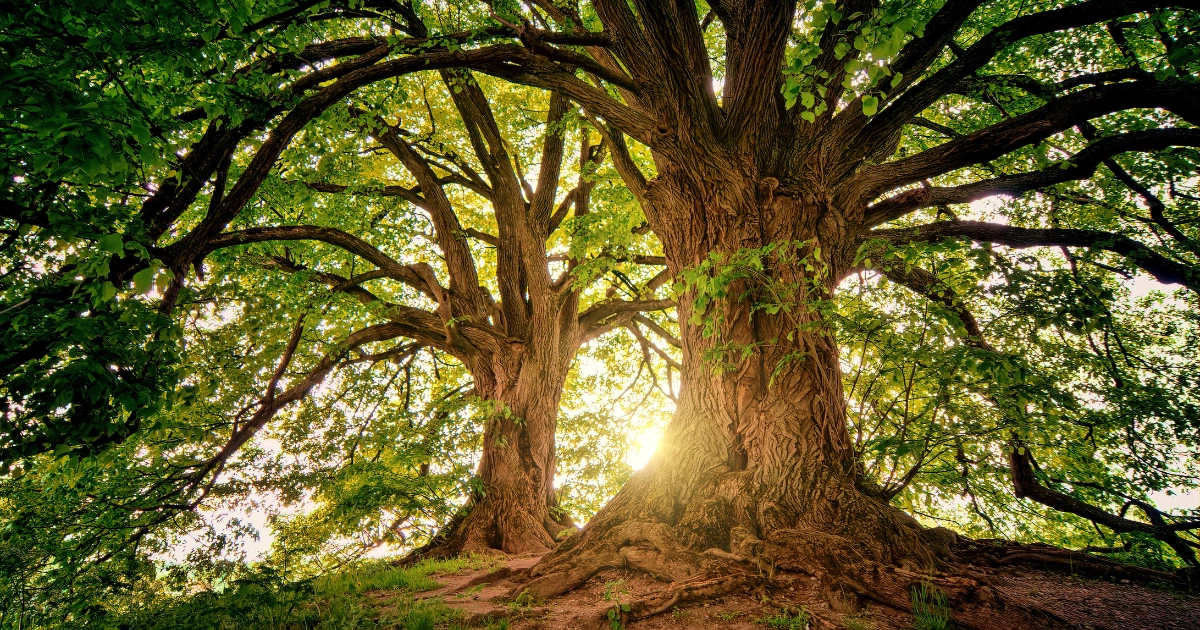
Trees are not just silent, passive members of the ecosystem. They actively communicate with one another, using sophisticated chemical signals to respond to threats, share resources, and coordinate growth. This network of interaction, often referred to as the “wood wide web,” is crucial for maintaining forest health and biodiversity.
The Chemical Language of Trees
Trees release various chemicals into their surroundings to convey information to nearby plants. These signals travel through the air and soil, triggering specific responses in neighboring trees. Two primary methods of communication are:
- Volatile Organic Compounds (VOCs): These are airborne chemicals that act as a warning system when a tree is under attack by insects or herbivores. VOCs can signal nearby trees to ramp up their defensive mechanisms.
- Root Exudates: Trees also release chemical compounds directly into the soil through their roots. These chemicals influence the soil microbiome and help relay messages to neighboring plants via shared mycorrhizal fungal networks.
The Role of Mycorrhizal Fungi
Mycorrhizal fungi form symbiotic relationships with tree roots, creating an underground network that facilitates nutrient and chemical exchange. This fungal network allows trees to:
- Transfer nutrients to stressed or shaded neighbors
- Warn other trees of potential pest attacks
- Support seedlings and younger trees by sharing resources
These fungal highways are essential for maintaining forest resilience and promoting growth across plant communities.
How Trees Respond to Chemical Signals
When a tree detects chemical signals from its neighbors, it can initiate a variety of responses:
- Defense Activation: Trees may produce more tannins, bitter compounds that deter herbivores, or increase the concentration of protective enzymes to ward off infections.
- Growth Adjustments: Some trees may alter root growth patterns to access additional nutrients or avoid competition.
- Resource Allocation: Trees under stress can redistribute water and carbohydrates to more vulnerable parts or neighboring saplings through fungal networks.
Case Study: Caterpillar Attack Response
One notable example of tree communication occurs when caterpillars feed on leaves. Damaged leaves emit VOCs that neighboring trees detect. In response, these trees increase tannin production and strengthen their cell walls to reduce herbivore damage. Remarkably, these signals can travel through the soil as well, thanks to interconnected root and fungal systems.
Implications for Ecosystems
Understanding tree communication has profound implications for forest management and conservation:
- Pest Control: By recognizing how trees signal distress, foresters can better anticipate pest outbreaks and take proactive measures.
- Forest Health Monitoring: Monitoring chemical signals may provide early warning signs of environmental stress, such as drought or disease.
- Biodiversity Support: Fostering healthy chemical communication networks ensures that young and struggling trees receive support, promoting species diversity.
Frequently Asked Questions (FAQ)
1. Can all trees communicate chemically?
Yes, most plants, including many tree species, use chemical signals to interact with their environment and other plants. However, the type and complexity of signals can vary significantly between species.
2. How fast do these chemical signals travel?
Airborne VOCs can reach nearby trees almost immediately, whereas root-based signals transmitted through mycorrhizal networks may take hours to days to elicit responses.
3. Do these signals benefit only the sending tree?
No. Chemical communication often benefits neighboring trees as well, creating a cooperative environment that enhances overall forest resilience.
4. Are humans affected by tree chemical signals?
While the concentrations are typically low, VOCs can contribute to forest air quality and may have subtle physiological effects, such as promoting relaxation or reducing stress.
5. How can I observe tree communication in nature?
Researchers often study tree communication by analyzing chemical compounds in the air and soil or observing responses in nearby plants after introducing a controlled stressor like an herbivore.