
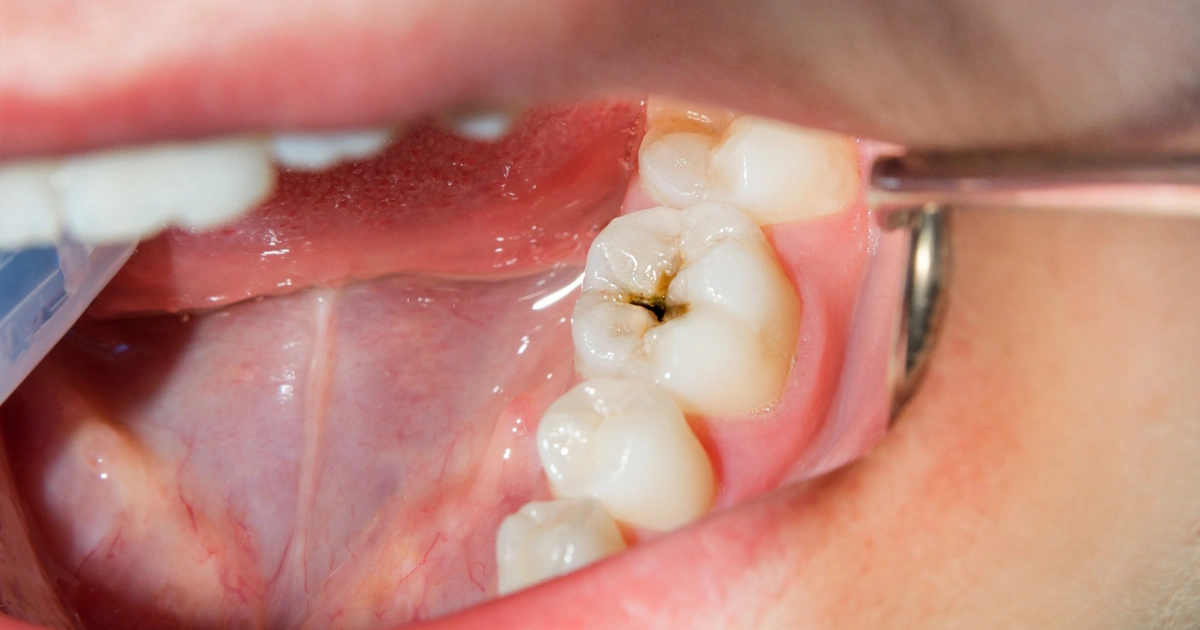
Many people believe that once a cavity forms, a dental drill is the only solution. While severe decay requires professional treatment, early enamel damage—known as demineralization—can often be reversed naturally. With the right nutrients, oral care habits, and lifestyle changes, you can support your teeth’s ability to heal and protect themselves.
This guide covers practical, science-backed steps to help strengthen enamel and prevent cavities without harsh chemicals or unnecessary procedures.

Understanding Cavities and Enamel Repair
Cavities occur when bacteria in the mouth feed on sugar and release acids that erode enamel, the hard protective layer covering each tooth. If caught early, this process can be stopped and even reversed through remineralization—the natural repair process where minerals rebuild weakened enamel.
The key is creating an environment in your mouth that supports remineralization while reducing harmful bacteria.
1. Strengthen Enamel with Key Nutrients
Nutrition plays a critical role in oral health. Certain minerals and vitamins are essential for enamel repair and overall tooth strength:
- Calcium – Found in dairy products, leafy greens, almonds, and sesame seeds. Essential for rebuilding enamel.
- Vitamin D – Helps the body absorb calcium effectively. Sources include sunlight, eggs, and fatty fish.
- Magnesium – Supports enamel and dentin health. Found in pumpkin seeds, legumes, and spinach.
- Phosphorus – Works alongside calcium to repair enamel. Present in fish, eggs, and whole grains.
Foods to Limit or Avoid:
- Sugary snacks and drinks (fuel harmful bacteria)
- Acidic beverages like sodas and citrus juices (erode enamel)
- Highly processed foods (often high in sugar and additives)
2. Oil Pulling for Oral Detox
Oil pulling is an ancient practice that can reduce bacteria, freshen breath, and promote gum health.
How to do it:
- Place 1 tablespoon of organic coconut oil in your mouth.
- Swish gently for 10–15 minutes, pulling the oil between your teeth.
- Spit into a trash can (not the sink to avoid clogging).
- Rinse with warm water and brush as usual.
Aim to do this once daily, ideally in the morning, for best results.
3. Choose a Natural Remineralizing Toothpaste
A toothpaste that supports remineralization can make a big difference. Look for products containing:
- Hydroxyapatite – A naturally occurring mineral that mimics tooth enamel.
- Calcium carbonate – Helps polish teeth and restore minerals.
- Baking soda – Neutralizes acids and helps control bacteria.
Some natural formulas also include bentonite clay and trace minerals for added benefits.
4. Make a DIY Mineral Mouthwash
A homemade mouth rinse can help restore minerals and maintain a healthy oral pH.
Ingredients:
- 1 cup warm filtered water
- ½ teaspoon sea salt (provides trace minerals)
- ½ teaspoon baking soda (neutralizes acid)
- Optional: 2 drops clove or peppermint essential oil
Directions:
Swish for 30 seconds after brushing, then spit. Avoid eating or drinking for 30 minutes afterward to allow minerals to work.
5. Herbal Remedies for Cavity Prevention
Certain herbs have natural antibacterial and healing properties:
- Clove oil – Contains eugenol, a natural antiseptic and mild anesthetic.
- Neem – Used in Ayurvedic medicine for its strong antibacterial effects.
- Licorice root – May help reduce plaque and harmful bacteria.
How to use:
- Dilute clove oil with a carrier oil before applying to gums or sensitive teeth.
- Add neem or licorice powder to homemade toothpaste or rinses.
6. Boost Saliva for Natural Protection
Saliva is essential for oral health—it washes away bacteria, neutralizes acids, and delivers minerals to teeth.
Tips to increase saliva:
- Drink water consistently throughout the day.
- Chew sugar-free xylitol gum to stimulate saliva production.
- Limit alcohol and avoid smoking, as both reduce saliva flow.
Final Thoughts
With consistent care, it is possible to reverse early enamel damage and prevent cavities naturally. The combination of a nutrient-rich diet, natural oral care products, and healthy habits can significantly improve your dental health.
However, if you experience persistent pain, deep cavities, or gum issues, always consult a qualified dentist. Natural methods work best for prevention and early intervention—not as a replacement for professional treatment when needed.
Start today by:
- Eating enamel-strengthening foods
- Avoiding sugar and acidic drinks
- Using natural remedies like oil pulling and mineral rinses
Your future smile will thank you.
FAQs
1. Can cavities heal completely on their own?
Early-stage enamel damage can be reversed, but advanced decay that reaches dentin or pulp requires professional treatment.
2. Is fluoride-free toothpaste effective?
Yes—if it contains remineralizing agents like hydroxyapatite or calcium carbonate, it can help strengthen enamel naturally.
3. How long does it take to see results?
With consistent care, you may notice improved tooth sensitivity and gum health in a few weeks, but remineralization is gradual.
4. Does oil pulling replace brushing?
No—oil pulling is a supplementary practice, not a substitute for regular brushing and flossing.
5. Are essential oils safe for oral use?
Some are safe when properly diluted, but always research or consult a professional before use.
Internal Link Suggestions from secretsofthegreengarden.com
- [Natural Remedies for Gum Health]
- [DIY Herbal Mouthwash Recipes]
- [The Role of Minerals in Dental Health]
External Link Suggestions
- American Dental Association – Early Cavity Treatment
- Medical News Today – Remineralization Explained
- Healthline – Benefits of Oil Pulling
Main keyword: natural cavity repair
LSI/NLP keywords: remineralizing toothpaste, enamel strengthening, oil pulling, dental nutrition, mineral mouthwash, clove oil for teeth, boost saliva production, prevent tooth decay