
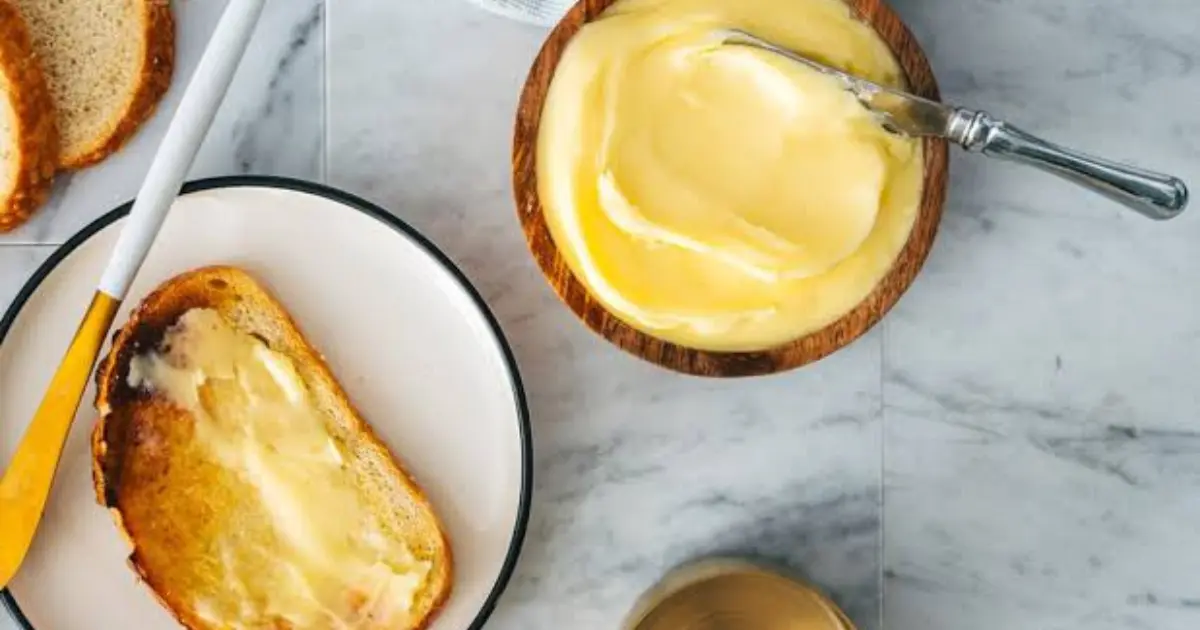
Making homemade butter is easier than many people realize. With nothing more than heavy cream and a few minutes of mixing, you can create rich, creamy butter that’s perfect for spreading on bread, baking, or cooking.
The process is simple enough for beginners and offers a rewarding way to see how cream transforms into butter and buttermilk. Once you’ve mastered the basics, you can customize your butter with herbs, garlic, honey, or sea salt to suit your favorite recipes.
How Is Butter Made?
Butter is created by churning heavy cream until the fat separates from the liquid.
As the cream is whipped, tiny fat globules begin sticking together. Eventually, they form solid butter while the remaining liquid becomes traditional buttermilk.
This natural process has been used for centuries and still produces delicious results at home.
Ingredients
Makes about 1 cup of butter.
- 2 cups cold heavy cream (at least 36% milk fat)
Optional Ingredients
- Fine sea salt
- Fresh herbs
- Garlic
- Honey
- Black pepper
- Lemon zest
Equipment You’ll Need
You can make homemade butter using several different methods.
Choose one of the following:
- Stand mixer
- Hand mixer
- Food processor
- Mason jar with a tight-fitting lid
Each method works well, although electric mixers require much less effort than shaking by hand.
How to Make Homemade Butter
Step 1: Pour in the Heavy Cream
Add the cold heavy cream to the bowl of a stand mixer or food processor.
If using a mason jar, fill it no more than halfway to leave room for the cream to move while shaking.
Step 2: Mix or Shake
Begin mixing on medium-high speed.
If using a jar, shake vigorously.
The cream will pass through several stages:
- Liquid cream
- Thick whipped cream
- Grainy texture
- Butter separating from buttermilk
This usually takes:
- 3 to 5 minutes with a stand mixer
- 10 to 15 minutes when shaking by hand
Step 3: Separate the Butter
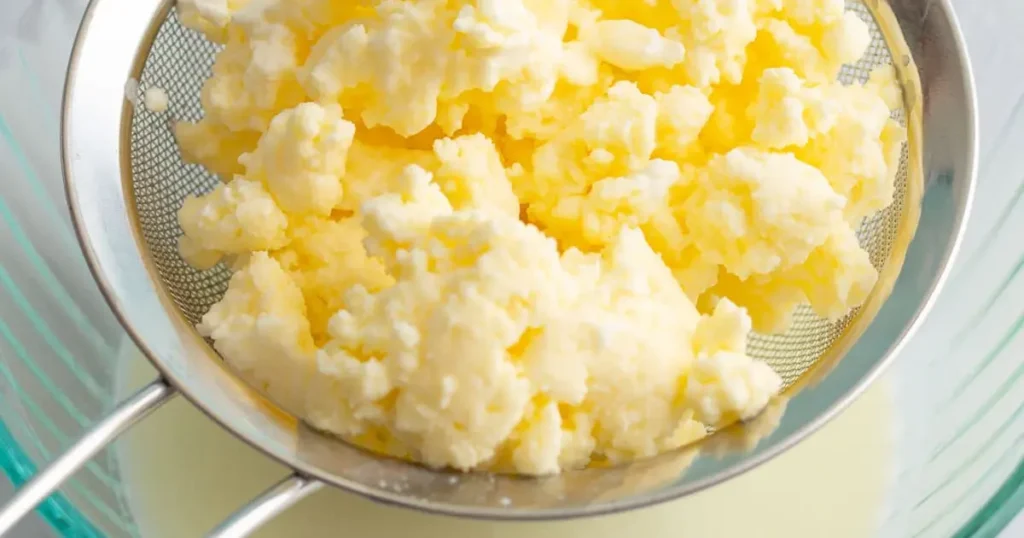
Once the butter forms, you’ll notice a yellow solid surrounded by a thin white liquid.
The solid is butter.
The liquid is fresh buttermilk.
Carefully pour off the buttermilk into a separate container if you plan to use it in recipes such as pancakes, biscuits, or muffins.
Step 4: Rinse the Butter
Place the butter into a bowl of very cold water.
Gently press and fold the butter with a spatula or clean hands.
Drain the cloudy water and repeat until the water remains mostly clear.
This step removes excess buttermilk, helping the butter stay fresh longer.
Step 5: Season if Desired
At this stage you can leave the butter plain or mix in additional ingredients.
Popular options include:
- Sea salt
- Fresh parsley
- Chives
- Garlic
- Honey
- Cinnamon
- Fresh rosemary
Mix thoroughly until evenly combined.
Why Rinsing the Butter Is Important
One of the most important steps is removing as much buttermilk as possible.
Proper rinsing helps:
- Extend the butter’s shelf life.
- Improve texture.
- Reduce moisture.
- Keep flavors fresh for longer.
Skipping this step may cause homemade butter to spoil more quickly.
Tips for the Best Homemade Butter
A few simple techniques produce better results.
- Use fresh heavy cream with a high fat content.
- Start with cold cream.
- Stop mixing once the butter separates.
- Rinse thoroughly with ice-cold water.
- Store the finished butter in an airtight container.
These small details make a noticeable difference in both flavor and storage life.
Flavor Variations
Homemade butter is easy to customize.
Try these combinations:
Garlic Herb Butter
Mix with:
- Minced garlic
- Chopped parsley
- Chives
- Black pepper
Perfect for bread, steak, and roasted vegetables.
Honey Butter
Blend in:
- Honey
- A pinch of salt
Excellent for biscuits, pancakes, and cornbread.
Cinnamon Butter
Combine with:
- Cinnamon
- Honey or powdered sugar
A delicious spread for toast and breakfast pastries.
Lemon Herb Butter
Mix with:
- Lemon zest
- Fresh thyme
- Parsley
Ideal for grilled fish and roasted chicken.
How to Store Homemade Butter
Store butter in an airtight container.
- Refrigerator: up to 2 weeks
- Freezer: up to 6 months
For best flavor, keep it refrigerated and avoid prolonged exposure to air.
Frequently Asked Questions
Can I make butter with regular milk?
No. Butter requires heavy cream because it contains enough milk fat to separate during churning.
What happens to the leftover liquid?
The liquid is traditional buttermilk, which can be used in baking recipes such as pancakes, waffles, biscuits, and muffins.
Why didn’t my cream turn into butter?
The cream may not have contained enough fat, or it simply needed more mixing time. Heavy cream with at least 36% milk fat works best.
Do I need to add salt?
No. Salt is completely optional. Unsalted butter is often preferred for baking, while salted butter works well as a table spread.
Can homemade butter be frozen?
Yes. Properly wrapped butter freezes well for several months without significant loss of quality.
Final Thoughts
Making homemade butter is a simple kitchen project that requires only one main ingredient and a few minutes of effort. Watching heavy cream transform into rich butter is both satisfying and practical, and the result is fresh, creamy butter that can be customized with endless flavor combinations.
Whether you prefer classic salted butter or creative herb-infused versions, homemade butter is an easy way to add fresh flavor to everyday meals.
Internal Linking Suggestions
Consider linking this article to related recipes on secretsofthegreengarden.com, such as:
- Homemade Bread Recipes for Beginners
- Sourdough Discard Pancakes
- Strawberry Shortcake from Scratch
Recommended External Sources
For additional food preparation and dairy guidance, consult:
- USDA Food Safety and Inspection Service
- American Dairy Association
- Penn State Extension
Primary Keyword: homemade butter
Related Keywords: how to make butter, homemade butter recipe, fresh butter, heavy cream butter, churned butter, flavored butter, homemade dairy recipes, butter from cream.
Meta Description: Learn how to make homemade butter with just one ingredient in minutes. Follow this easy step-by-step guide, discover flavor variations, storage tips, and how to use fresh buttermilk.