
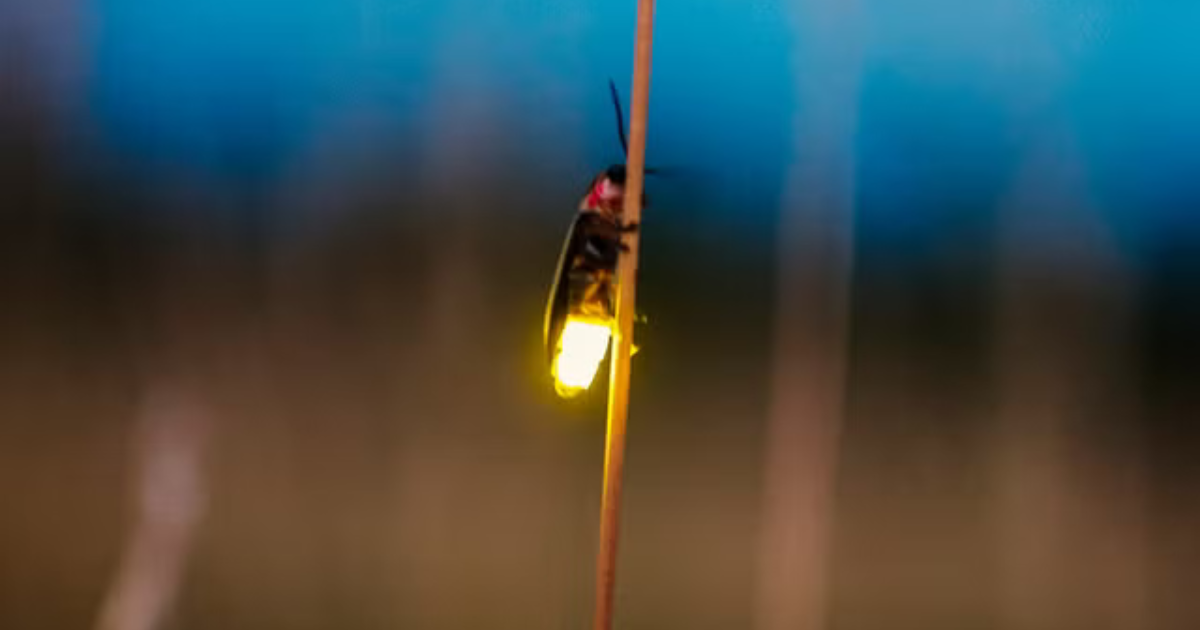
Watching fireflies glow on a warm summer evening is one of nature’s most magical displays. But those tiny flashes are much more than beautiful lights—they’re part of a sophisticated communication system. In fact, every firefly species has its own unique flash pattern, allowing males and females to recognize members of their own species.
Scientists have spent decades studying these glowing insects and have discovered that flash timing, brightness, flight behavior, and even habitat all play important roles in successful mating.
Why Do Fireflies Flash?
The primary purpose of a firefly’s glow is communication.
Most adult fireflies use flashes to:
- Attract potential mates.
- Identify members of their own species.
- Communicate during courtship.
- In some species, warn predators that they may be unpleasant to eat.
Each species has evolved its own flashing rhythm, helping reduce confusion when several species live in the same area.
How Fireflies Produce Light
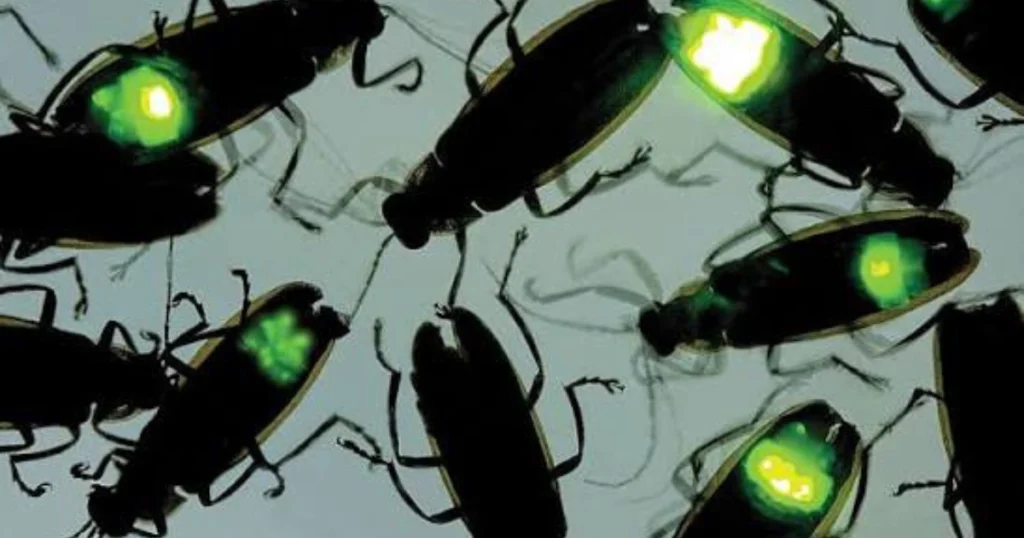
Fireflies create light through a chemical reaction known as bioluminescence.
Inside specialized light-producing organs in the abdomen, several components work together:
- Luciferin
- Luciferase (an enzyme)
- Oxygen
- ATP (cellular energy)
This reaction produces light with very little heat, making it one of the most energy-efficient forms of natural light found in the animal kingdom.
Every Species Has a Unique Flash Code
One of the most remarkable features of fireflies is that each species has a distinctive flashing pattern.
These differences may include:
- Flash duration.
- Number of flashes.
- Time between flashes.
- Flight pattern.
- Height above the ground.
- Time of evening when flashing begins.
Female fireflies often respond only to the precise signal produced by males of their own species.
Big Dipper Firefly (Photinus pyralis)
The Big Dipper firefly is one of the most familiar species across eastern North America.
It gets its name from its characteristic J-shaped flight pattern while flashing.
Identification
- Warm yellow light.
- Curved flight during each flash.
- Most active during early summer evenings.
Its distinctive flight pattern makes it relatively easy to recognize.
Synchronous Firefly (Photinus carolinus)
The synchronous firefly is famous for one of nature’s most spectacular light displays.
Instead of flashing randomly, thousands of males flash together in near-perfect synchronization.
Where They’re Found
This species is best known from parts of the Great Smoky Mountains National Park, although synchronized populations also occur in a few other locations.
Scientists continue studying how these insects coordinate their remarkably precise timing.
Blue Ghost Firefly (Phausis reticulata)
Unlike many other species, the Blue Ghost firefly produces a steady blue-green glow rather than distinct flashes.
Unique Characteristics
- Continuous blue-green light.
- Males fly slowly close to the forest floor.
- Females usually remain on the ground while glowing.
Their soft, continuous light creates an unforgettable nighttime display in suitable forest habitats.
Eastern Firefly (Photinus marginellus)
The Eastern firefly communicates with a simple flash pattern that helps males and females locate one another during the breeding season.
Although less famous than synchronous species, it plays an important role in many eastern woodland ecosystems.
Femme Fatale Fireflies (Photuris species)
Some fireflies have evolved an extraordinary hunting strategy.
Female Photuris fireflies imitate the flash responses of females from other species.
When unsuspecting males approach, they become prey instead of mates.
This remarkable behavior has earned them the nickname “femme fatale fireflies.”
Scientists believe this strategy may also allow females to obtain defensive chemicals that help protect them from predators.
Winter Firefly (Ellychnia corrusca)
Not every firefly glows as an adult.
The winter firefly is active during cooler months and, unlike many other species, adults do not produce flashing light.
Instead, only the larvae are bioluminescent.
Adults spend much of their time on tree trunks where they feed on tree sap and other available resources.
Why Flash Timing Matters
Each flash pattern acts like a unique language.
Without these species-specific signals:
- Males might court the wrong females.
- Successful reproduction would become less efficient.
- Different species could interfere with each other’s mating behavior.
Natural selection has helped maintain these distinctive flash patterns over millions of years.
Threats Facing Fireflies
Although many firefly species remain widespread, some populations are declining due to habitat changes.
Common challenges include:
- Habitat loss.
- Light pollution.
- Pesticide use.
- Wetland destruction.
- Climate change.
Artificial lighting is particularly disruptive because it can interfere with the visual signals fireflies rely on during courtship.
How to Help Fireflies
Gardeners can make outdoor spaces more welcoming for fireflies by creating suitable habitat.
Helpful practices include:
- Reduce unnecessary outdoor lighting.
- Leave patches of leaf litter.
- Avoid excessive pesticide use.
- Plant native vegetation.
- Maintain areas with natural moisture.
- Preserve shrubs and woodland edges where possible.
These simple actions can support not only fireflies but many other beneficial insects as well.
Frequently Asked Questions
Why do fireflies have different flash patterns?
Each species has evolved its own unique flashing signal so males and females can recognize one another and successfully reproduce.
Do all fireflies flash?
No. While many species produce flashing light as adults, some glow continuously, and others produce little or no light after reaching adulthood.
What makes fireflies glow?
Fireflies create light through bioluminescence, a chemical reaction involving luciferin, luciferase, oxygen, and cellular energy.
Why do synchronous fireflies flash together?
Researchers believe synchronized flashing helps males attract females more effectively, although scientists are still studying the exact mechanisms behind this remarkable behavior.
Can light pollution affect fireflies?
Yes. Bright artificial lights can make it more difficult for fireflies to see each other’s mating signals, potentially reducing successful reproduction.
Final Thoughts
The firefly flash patterns seen on warm summer nights are far more than beautiful natural displays. Each flash is part of a highly specialized communication system that has evolved to help different species find suitable mates while avoiding confusion with others.
From the famous synchronous fireflies of the Great Smoky Mountains to the steady glow of the Blue Ghost Firefly, these insects demonstrate one of nature’s most fascinating examples of biological communication. Protecting their habitats and reducing unnecessary outdoor lighting can help ensure future generations continue to enjoy these remarkable nighttime displays.
Internal Linking Suggestions
Consider linking this article to related content on secretsofthegreengarden.com, such as:
- Why Periodical Cicadas Emerge Every 13 or 17 Years
- Beneficial Garden Insects Every Gardener Should Know
- How to Create a Wildlife-Friendly Garden
Recommended External Sources
For additional scientific information, consult:
- Smithsonian Institution
- Xerces Society for Invertebrate Conservation
- National Park Service
Primary Keyword: firefly flash patterns
Related Keywords: firefly species, bioluminescence, synchronous fireflies, Big Dipper firefly, Blue Ghost firefly, firefly communication, glowing insects, firefly conservation.
Meta Description: Discover why every firefly species has its own unique flash pattern, how bioluminescence works, and what these fascinating light signals reveal about firefly communication and survival.