
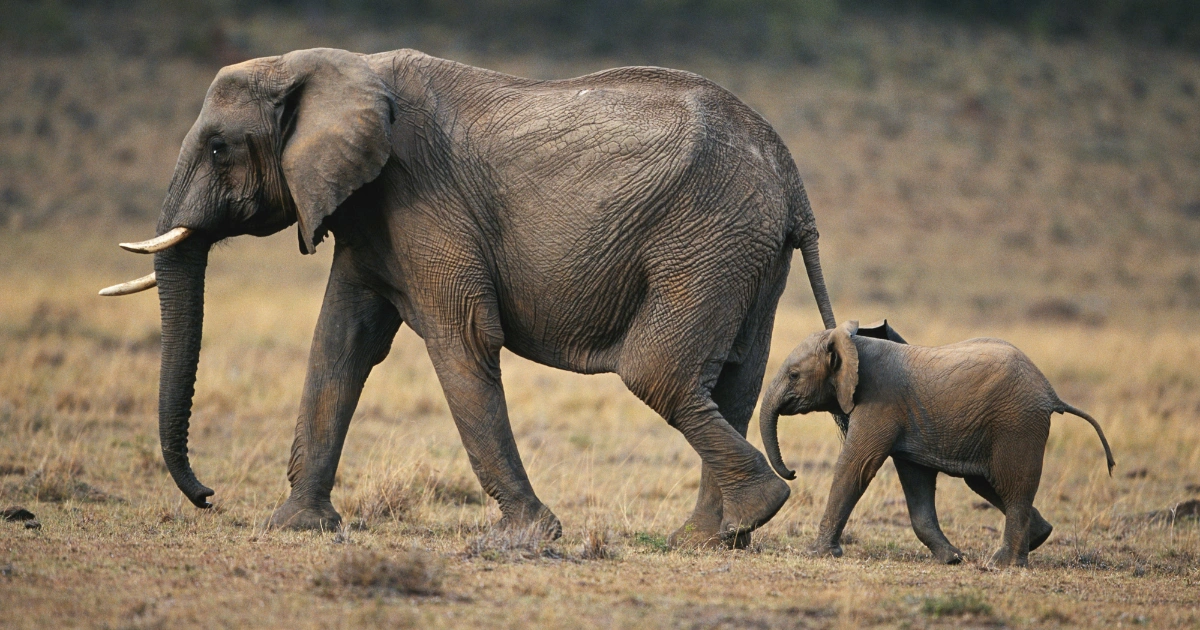
African elephant reproduction is one of the most fascinating processes in the animal kingdom. These massive mammals are known not only for their intelligence and strong family bonds, but also for their unusually long gestation period and highly social parenting behavior. From courtship and mating to calf development and herd protection, every stage of the reproductive cycle plays a critical role in the survival of the species.
Because elephants reproduce slowly, conservationists closely study their breeding habits to better protect declining populations across Africa. Understanding how African elephants reproduce also offers valuable insight into mammalian biology, animal behavior, and ecosystem balance.
What Is African Elephant Reproduction?
African elephant reproduction refers to the biological process through which elephants mate, carry offspring, give birth, and raise calves within highly structured social groups. The African elephant (Loxodonta africana) has one of the slowest reproductive cycles among mammals, making population recovery difficult when herds are threatened by poaching or habitat loss.
The reproductive process includes:
- Mate selection and courtship
- Fertilization
- Pregnancy and fetal development
- Birth and maternal care
- Calf socialization within the herd
This slow and carefully coordinated cycle helps ensure that calves receive long-term protection and learning opportunities from adult females.
Mating Behavior in African Elephants
How Elephants Choose Mates
Male elephants, called bulls, compete for access to receptive females during breeding periods. Mature males often enter a condition known as musth, characterized by increased testosterone levels, heightened aggression, and stronger mating behavior.
Females are selective and usually mate with dominant, healthy males. Courtship behavior may include:
- Trunk touching
- Low-frequency vocalizations
- Scent detection through pheromones
- Following and guarding receptive females
Elephants rely heavily on smell and chemical communication to identify fertility status. Males frequently use the Flehmen response, curling the trunk to analyze scent particles in the air.
When African Elephants Breed
Unlike many mammals, African elephants do not have a strict breeding season in all regions. Reproduction can occur throughout the year, although rainfall and food availability often influence fertility rates.
In areas with stable resources, mating may happen at any time. In drier regions, conception often increases after rainy seasons when vegetation is more abundant.
Pregnancy and Gestation in African Elephants
The Longest Gestation of Any Land Mammal
One of the most remarkable facts about African elephant reproduction is the extraordinary gestation period. Female elephants remain pregnant for approximately 22 months, making it the longest pregnancy among land mammals.
This extended development period allows the calf’s brain, nervous system, and muscles to mature before birth.
Fetal Development Stages
During pregnancy, the calf develops gradually inside the uterus while connected through the umbilical cord and supported by amniotic fluid. Major stages include:
First Trimester
- Organ systems begin forming
- Limbs and trunk become visible
- Basic skeletal structure develops
Second Trimester
- Rapid body growth occurs
- Internal organs mature
- Movement inside the womb increases
Third Trimester
- Brain development accelerates
- Fat reserves increase
- The calf prepares for survival outside the womb
The placenta continuously supplies nutrients and oxygen throughout gestation, supporting the calf’s large size at birth.
Elephant Birth and Calf Size
How Elephant Calves Are Born
Female elephants usually give birth to a single calf. Twin births are extremely rare. Labor often occurs at night or in secluded areas where the mother receives protection from other females in the herd.
A newborn African elephant calf typically weighs around 200 to 250 pounds (90 to 115 kilograms). Despite their large size, calves are vulnerable during the first weeks of life and depend heavily on maternal care.
Within a short time after birth, the calf attempts to stand and nurse. This early mobility is essential for keeping up with the herd and avoiding predators.
The Role of the Herd During Birth
Elephant societies are matriarchal, meaning experienced females lead and support the group. During labor and after birth, other females often form a protective circle around the mother and calf.
This cooperative behavior helps:
- Defend against predators
- Reduce stress during labor
- Assist the calf in standing
- Improve calf survival rates
These social bonds are one reason elephant populations rely heavily on stable herd structures.
Maternal Care and Calf Development
Nursing and Early Growth
African elephant calves nurse for up to two to four years, although they may begin experimenting with vegetation after several months.
Elephant milk contains high fat and nutrient levels that support rapid growth. During the nursing period, calves stay close to their mothers and learn essential survival skills.
Young elephants gradually develop:
- Trunk coordination
- Social communication
- Foraging behavior
- Migration patterns
- Predator awareness
Learning Within the Herd
Calves are raised collectively within family groups. Older siblings and related females, sometimes called allomothers, often help care for younger calves.
This shared caregiving system provides several advantages:
- Increased calf protection
- More learning opportunities
- Stronger social bonding
- Reduced pressure on mothers
Elephants are highly intelligent animals, and much of their behavior is learned socially over many years.
Why African Elephant Reproduction Is So Slow
Compared to many mammals, elephants reproduce at a very slow rate. Several biological factors contribute to this:
- Long gestation period
- Late sexual maturity
- Single-calf pregnancies
- Extended parental care
- Large energy requirements
Female African elephants usually begin reproducing between ages 10 and 15, while males may not successfully breed until much later due to competition with dominant bulls.
Because calves remain dependent for years, females typically give birth only once every four to six years.
Conservation Challenges Linked to Reproduction
Population Recovery Takes Decades
Slow reproductive rates make African elephants especially vulnerable to population decline. When adult elephants are lost due to poaching, habitat destruction, or conflict with humans, replacement through natural reproduction is extremely slow.
Even healthy herds may need decades to recover from significant losses.
Habitat Loss and Stress
Environmental stress can reduce fertility and calf survival. Key threats include:
- Shrinking migration corridors
- Drought conditions
- Human encroachment
- Illegal hunting
- Reduced food availability
Conservation organizations monitor elephant reproduction closely because birth rates often reflect overall herd health.
Fascinating Facts About Elephant Reproduction
- African elephants have the longest pregnancy of any land mammal.
- Elephant calves can recognize their mothers by touch, smell, and sound shortly after birth.
- Female elephants often remain with their family herd for life.
- Male elephants usually leave the herd during adolescence.
- Calves learn social behaviors through observation and imitation.
Frequently Asked Questions
How long is an African elephant pregnant?
African elephants are pregnant for about 22 months, making it the longest gestation period among land mammals.
How many babies does an elephant usually have?
Most African elephants give birth to one calf at a time. Twin births are extremely uncommon.
At what age do elephants reproduce?
Female elephants generally begin reproducing between 10 and 15 years old. Males may breed later because they must compete with older bulls.
How long do elephant calves stay with their mothers?
Calves remain closely dependent on their mothers for several years and may nurse for up to four years.
Why do elephants reproduce so slowly?
Their slow reproduction is linked to long pregnancies, extended calf care, and the high energy demands of raising large offspring.
Internal Linking Suggestions
For improved topical authority and reader engagement on secretsofthegreengarden.com, consider internally linking to related wildlife and nature articles such as:
- “Beneficial Wildlife Species Every Garden Should Protect”
- “How Native Ecosystems Support Biodiversity”
- “Creating Water Sources for Wildlife in Dry Seasons”
External Linking Suggestions
For authoritative supporting references, consider linking to:
- World Wildlife Fund – African Elephant Facts
- Smithsonian National Zoo – African Elephant Overview
- National Geographic – Elephant Behavior and Biology
Conclusion
African elephant reproduction is a slow and highly sophisticated process shaped by evolution, intelligence, and social cooperation. From complex courtship behaviors to nearly two years of pregnancy and years of maternal care, every stage reflects the remarkable biology of these giant mammals.
Their long reproductive cycle also highlights why elephant conservation is so important. Protecting adult elephants, preserving migration routes, and maintaining healthy ecosystems are essential for ensuring future generations of calves can survive and thrive in the wild.