
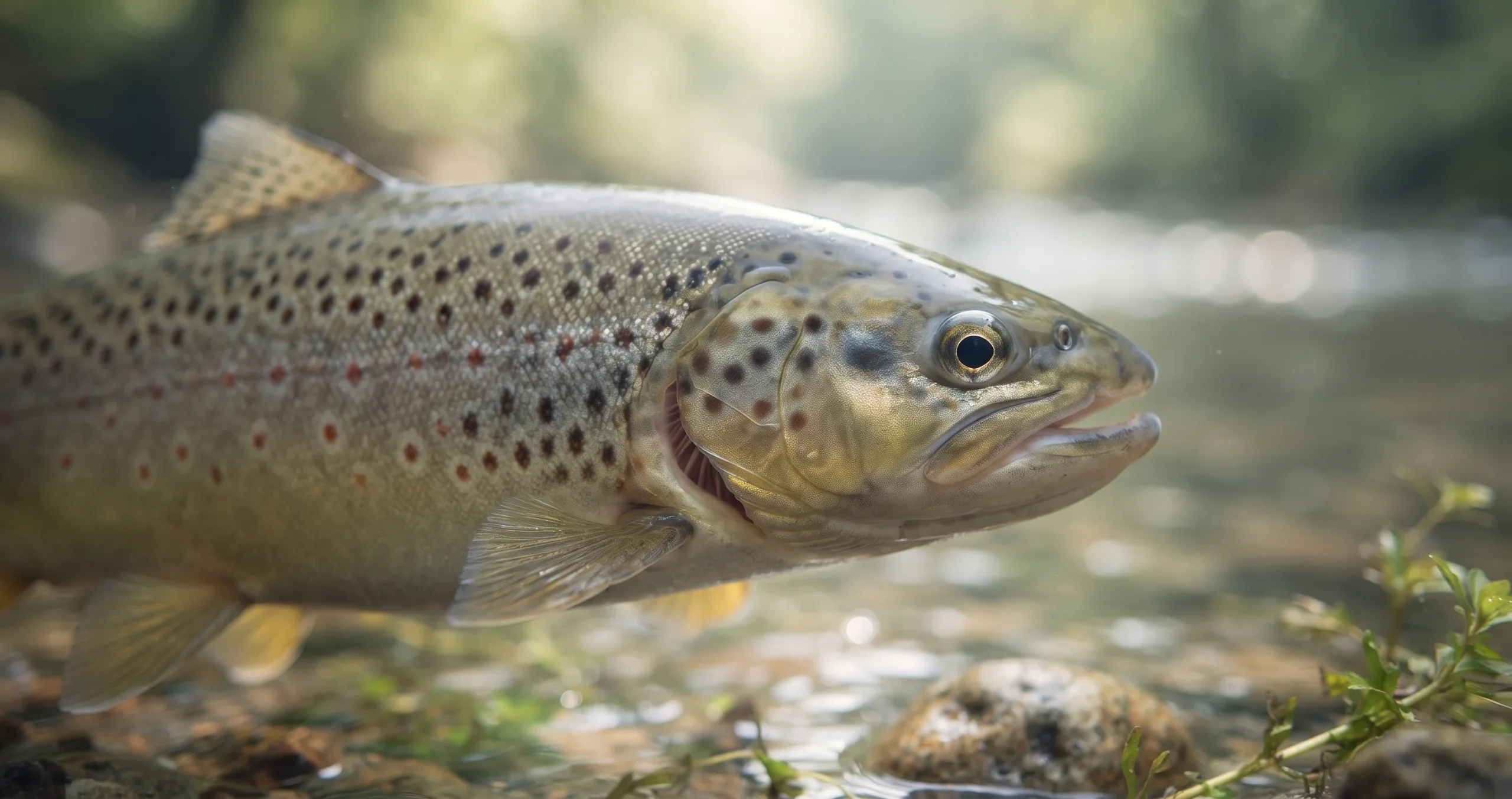
Fish live in an environment where breathing works very differently from breathing on land. Instead of filling lungs with air, most fish extract dissolved oxygen from the water surrounding them.
Understanding how fish breathe reveals one of nature’s most remarkable biological adaptations. Their specialized gills allow oxygen to enter the bloodstream while removing carbon dioxide, supporting everything from swimming and digestion to growth and reproduction.
For aquarium owners and garden pond enthusiasts, understanding this process is particularly important. Water that appears perfectly clear can still contain insufficient oxygen to support healthy fish.
Learning how gills function, how temperature influences oxygen availability, and how to maintain suitable water conditions can help create a healthier aquatic environment throughout the year.
Table of Contents
- How Fish Breathe Underwater
- Understanding the Structure of Fish Gills
- How Countercurrent Exchange Works
- Why Water Contains Less Oxygen Than Air
- How Water Temperature Affects Dissolved Oxygen
- Signs of Low Oxygen in Ponds and Aquariums
- How Aeration Helps Fish Breathe
- The Role of Aquatic Plants in Oxygen Production
- Winter Pond Care and Fish Survival
- Common Mistakes That Reduce Oxygen Levels
- Frequently Asked Questions
How Fish Breathe Underwater
Like most animals, fish require oxygen to support cellular respiration, the biological process that releases usable energy from nutrients.
However, instead of breathing atmospheric air, most fish obtain oxygen through specialized respiratory organs called gills.
These delicate structures continuously interact with surrounding water, allowing oxygen to move into the bloodstream.
Step 1: Water Enters the Mouth
Most bony fish draw water into their mouths through coordinated movements of the mouth and gill covers.
The water then travels through the gill chambers, where it passes over specialized respiratory surfaces.
This process continues while the fish swims or rests, ensuring that fresh water regularly reaches the gills.
Step 2: Oxygen Enters the Bloodstream
As water flows across the gills, dissolved oxygen moves through extremely thin tissues into tiny blood vessels.
This movement occurs through diffusion, a natural process in which substances move from areas of higher concentration toward areas of lower concentration.
The bloodstream then transports oxygen throughout the fish’s body.
Step 3: Carbon Dioxide Leaves the Body
At the same time, carbon dioxide produced by cellular activity moves from the bloodstream into the surrounding water.
The water exits through openings behind the gill covers, carrying carbon dioxide away.
Understanding how fish breathe begins with recognizing that this continuous exchange of gases is essential for survival.
Understanding the Structure of Fish Gills
Fish gills are much more complex than they appear from the outside.
Their structure maximizes contact between water and blood while keeping the distance between them extremely small.
Gill Arches
Gill arches provide structural support for the respiratory tissues.
In most bony fish, several pairs of gill arches are located on either side of the head.
These structures support the delicate filaments responsible for gas exchange.
Gill Filaments
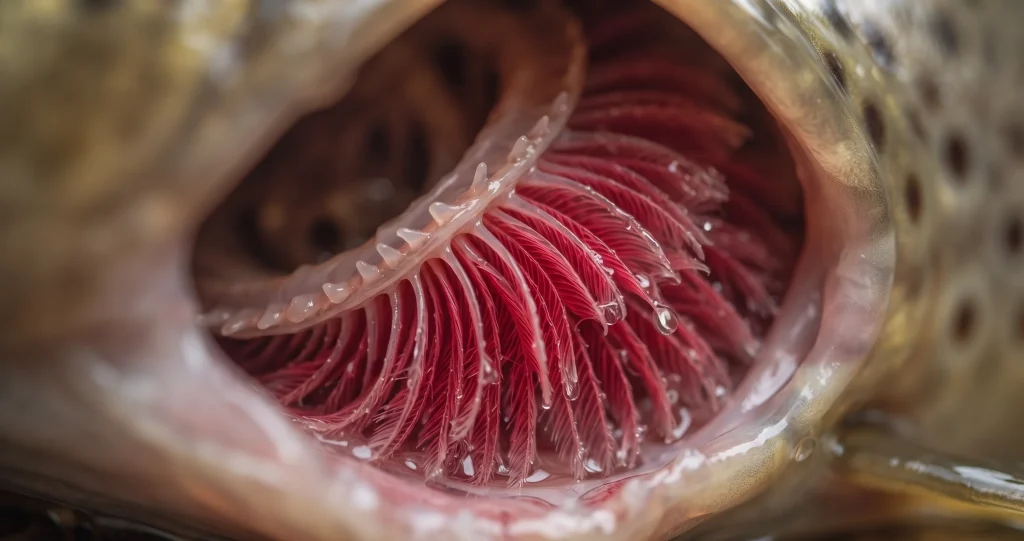
Gill filaments are thin, elongated structures extending from the gill arches.
Their numerous branches provide a large surface area for contact with flowing water.
Healthy gill tissues are generally reddish because they contain an extensive network of blood vessels.
Gill Lamellae
Gill filaments contain even smaller structures called secondary lamellae.
These microscopic, plate-like surfaces are major sites of oxygen and carbon dioxide exchange.
Their thin tissues allow gases to move efficiently between water and blood.
The Gill Cover
Most bony fish possess a protective structure called the operculum, commonly known as the gill cover.
It protects the delicate respiratory tissues and assists with moving water across the gills.
Sharks and rays have different gill arrangements, generally featuring separate gill openings rather than the same type of bony cover.
How Countercurrent Exchange Works
One of the most fascinating aspects of how fish breathe is a biological mechanism known as countercurrent exchange.
This system allows many fish to extract oxygen efficiently from water, even though water contains considerably less available oxygen than air.
Water and Blood Flow in Opposite Directions
Inside the gills, water generally flows across the respiratory surfaces in one direction while blood travels through nearby capillaries in the opposite direction.
This arrangement maintains a favorable oxygen concentration difference along much of the exchange surface.
As blood moves through the gills, it encounters water containing a higher oxygen concentration than the blood itself.
Oxygen can therefore continue entering the bloodstream along the respiratory surface.
Why This System Is So Effective
If water and blood flowed in the same direction, their oxygen concentrations would gradually approach equilibrium, limiting further oxygen transfer.
Countercurrent exchange helps maintain the concentration difference needed for diffusion.
This remarkable adaptation allows fish to obtain oxygen efficiently without requiring lungs like those of most terrestrial vertebrates.
However, even highly efficient gills cannot compensate indefinitely when dissolved oxygen levels become dangerously low.
Why Water Contains Less Oxygen Than Air
Although water contains oxygen atoms as part of its chemical composition, fish cannot normally extract the oxygen chemically bonded to hydrogen in water molecules.
Instead, they depend on dissolved oxygen, which consists of oxygen molecules present independently within the water.
Dissolved Oxygen Explained
Oxygen enters aquatic environments through contact with the atmosphere, water movement, and photosynthesis by aquatic plants and algae.
Air contains approximately 21% oxygen by volume, whereas water holds much smaller quantities of dissolved oxygen.
This difference helps explain why fish require specialized respiratory structures capable of extracting oxygen efficiently.
How Much Oxygen Do Fish Need?
Dissolved oxygen is commonly measured in milligrams per liter (mg/L).
Many freshwater fish benefit from oxygen concentrations above roughly 5–6 mg/L. However, requirements differ according to species, water temperature, activity, and other environmental conditions.
Cold-water species such as trout generally require more oxygen than many warm-water fish.
How Water Temperature Affects Dissolved Oxygen
Temperature is one of the most important environmental factors influencing how fish breathe.
Cold water can hold more dissolved oxygen than warm water under comparable conditions.
This relationship creates particular challenges during summer, when water temperatures rise while the oxygen requirements of many fish also increase.
Comparing Oxygen Availability at Different Temperatures
The following figures represent approximate oxygen saturation concentrations in freshwater at sea-level atmospheric pressure.
| Water temperature | Dissolved oxygen at saturation |
|---|---|
| 32°F (0°C) | 14.6 mg/L |
| 50°F (10°C) | 11.3 mg/L |
| 68°F (20°C) | 9.1 mg/L |
| 77°F (25°C) | 8.3 mg/L |
| 86°F (30°C) | 7.6 mg/L |
Actual oxygen concentrations may be considerably lower depending on biological activity, water movement, altitude, and other conditions.
Why Summer Heat Can Stress Fish
During prolonged hot weather, shallow ponds and aquariums may experience declining oxygen availability.
Overcrowding, decomposing organic matter, and excessive algae growth can make the problem worse.
Providing appropriate shade, maintaining water circulation, and monitoring dissolved oxygen can help reduce these risks.
Signs of Low Oxygen in Ponds and Aquariums
Understanding how fish breathe allows aquarium and pond owners to recognize possible respiratory distress.
Fish experiencing insufficient oxygen often display noticeable changes in behavior.
Common warning signs include:
- Repeated gasping at the water’s surface.
- Unusually rapid gill movements.
- Gathering near waterfalls or filter outlets.
- Reduced swimming activity.
- Loss of appetite.
- Unusual difficulty maintaining normal swimming behavior.
When several fish display these symptoms simultaneously, water quality should be investigated immediately.
Why Fish Gasp at the Surface
Water near the surface may contain more dissolved oxygen because it interacts directly with the atmosphere.
Some fish move toward this oxygen-rich area when conditions elsewhere become unfavorable.
However, surface breathing is normal for certain air-breathing species, including bettas and gouramis. Gasping can also result from ammonia poisoning, nitrite exposure, gill disease, or other problems.
What to Do When Fish Show Respiratory Distress
Increase appropriate aeration and surface movement promptly. Check water temperature, dissolved oxygen, ammonia, and nitrite levels, and confirm that filtration equipment is operating correctly.
In an aquarium, a partial water change using temperature-matched, properly conditioned water may help when water quality is poor.
Seek advice from an aquatic veterinarian or fish health specialist if breathing difficulties persist.
How Aeration Helps Fish Breathe
Aeration improves the exchange of gases between water and the surrounding atmosphere.
It is particularly valuable in enclosed aquatic environments where natural water movement may be limited.
Air Pumps and Air Stones
Aquarium air pumps deliver air through tubing to submerged air stones.
The rising bubbles promote water circulation and disturb the surface, encouraging oxygen transfer between air and water.
Some oxygen also dissolves directly from the bubbles as they rise.
Filters and Waterfalls
Aquarium filter outlets can create gentle surface movement that improves gas exchange.
In garden ponds, waterfalls and appropriately sized fountains can serve a similar function.
The amount of oxygen transferred depends on water circulation, equipment capacity, and the existing oxygen concentration.
Choosing Suitable Aeration
| Aeration method | Suitable environment |
|---|---|
| Air stone | Small and medium aquariums |
| Filter outlet | Filtered aquariums |
| Sponge filter | Small fish and breeding tanks |
| Waterfall | Ornamental garden ponds |
| Diffused aeration system | Larger ponds |
Aeration should be appropriate for the species being kept. Fish that prefer calm habitats still need adequate oxygen but may become stressed by excessively strong currents.
The Role of Aquatic Plants in Oxygen Production
Aquatic plants influence how fish breathe by contributing to the oxygen balance within their habitat.
During photosynthesis, submerged plants use light energy to produce sugars and release oxygen into the surrounding water.
However, plants also consume oxygen through respiration, both during the day and at night.
Why Oxygen Levels Can Fall Overnight
When darkness arrives, photosynthesis stops while respiration continues.
In heavily planted ponds or water containing dense algae populations, dissolved oxygen may reach its lowest point shortly before sunrise.
Decomposing leaves, uneaten food, and dead algae can increase oxygen consumption further as microorganisms break down these materials.
Maintaining a Balanced Aquatic Environment
Live aquatic plants can provide shelter, improve habitat complexity, and contribute to nutrient management.
Nevertheless, they should not be treated as a complete replacement for suitable filtration, aeration, and routine water-quality monitoring.
A balanced aquatic ecosystem depends on maintaining both healthy plant growth and appropriate fish populations.
Winter Pond Care and Fish Survival
Although cold water can hold more oxygen than warm water, winter introduces a different set of challenges.
When a pond freezes completely, the ice limits gas exchange between the water and atmosphere. Snow accumulation can also prevent sunlight from reaching submerged plants.
How Fish Breathe Beneath Ice
Most pond fish become less active as water temperatures decrease. Their metabolism slows, generally reducing their oxygen requirements.
However, they still need dissolved oxygen throughout winter. Prolonged ice and snow coverage can eventually cause dangerous oxygen depletion, sometimes resulting in a seasonal fish mortality event known as winterkill.
Protecting Pond Fish During Winter
Several practical maintenance measures can help:
- Remove excessive fallen leaves before the pond freezes.
- Use an appropriate pond de-icer to maintain an opening in the ice.
- Position winter aeration equipment according to the pond’s depth and design.
- Avoid unnecessary disturbance of overwintering fish.
- Monitor water quality whenever possible.
- Adjust feeding according to species and water temperature.
Avoid breaking thick ice by striking it forcefully. In ornamental fish ponds, also avoid excessive circulation that could disturb relatively warmer water near the bottom.
Common Mistakes That Reduce Oxygen Levels
Even experienced fish keepers can overlook conditions that contribute to oxygen depletion.
| Common mistake | Potential consequence |
|---|---|
| Overstocking fish | Increased oxygen demand |
| Excessive feeding | More decomposing organic waste |
| Poor water circulation | Reduced gas exchange |
| Excessive water temperature | Lower oxygen saturation |
| Neglected filtration | Deteriorating water quality |
| Sudden algae die-off | Increased microbial oxygen consumption |
| Prolonged winter ice coverage | Restricted atmospheric gas exchange |
Understanding how fish breathe helps explain why preventing these problems is generally easier than responding to an oxygen emergency.
Regular equipment checks, appropriate stocking levels, and consistent maintenance can significantly improve aquatic living conditions.
Frequently Asked Questions
Can fish breathe outside water?
Most fish cannot survive outside water for extended periods because their gill structures may collapse or dry out. Some species possess specialized adaptations that allow them to breathe atmospheric air.
Do fish breathe while sleeping?
Yes. Fish continue exchanging oxygen and carbon dioxide during periods of rest. Their respiratory rate may decrease as their activity slows.
Can fish survive without an air pump?
Some fish can live without a separate air pump if filtration, surface movement, and other oxygen sources provide adequate dissolved oxygen. Appropriate equipment depends on the aquarium’s size, stocking density, and inhabitants.
Why are my fish staying near the surface?
Persistent surface gasping may indicate insufficient oxygen, poor water quality, or respiratory illness. Test the water promptly and increase suitable aeration while investigating the cause.
Does cold water contain more oxygen?
Yes. Under comparable conditions, cold water can hold more dissolved oxygen than warm water. However, actual oxygen availability also depends on circulation, photosynthesis, and biological consumption.
Do aquatic plants produce oxygen at night?
Aquatic plants generally stop producing oxygen through photosynthesis in darkness. They continue consuming oxygen through cellular respiration.
Do fish drink the water they breathe?
Breathing and drinking are separate biological processes. Marine bony fish generally drink seawater to maintain their internal water balance, while freshwater fish absorb much of their required water through osmosis.
Conclusion
Understanding how fish breathe reveals the extraordinary relationship between aquatic animals and their environment.
Through specialized gill filaments, microscopic lamellae, and countercurrent exchange, fish efficiently extract dissolved oxygen from surrounding water.
However, their survival also depends on external conditions, including temperature, circulation, water quality, and seasonal changes.
Whether you maintain an indoor aquarium or a backyard fish pond, appropriate aeration, responsible feeding, and regular monitoring can help maintain suitable oxygen levels.
A healthy aquatic environment is not simply about clear water. It is about preserving the invisible balance that allows fish and other aquatic organisms to survive and thrive throughout the year.
External Sources
1. How Do Fish Breathe?
Covers water intake, gill filaments, oxygen absorption, carbon dioxide removal, and countercurrent exchange.
Washington State University. https://askdruniverse.wsu.edu/2018/01/07/how-do-fish-breathe/?utm_source
2. How Do Fish Gills Work?
Explains fish respiration, blood vessels, gas exchange, and differences between oxygen availability in water and air. University of Wisconsin–Madison. https://news.wisc.edu/curiosities-how-do-fish-gills-work/?utm_source
3. Under the Ice: What Winter Means for Your Pond
Explains winter oxygen depletion, water temperature, pond freezing, and fish survival beneath ice. University of Illinois Extension. https://extension.illinois.edu/news-releases/under-ice-what-winter-means-your-pond?utm_source