
Table of Contents
- What Is Hyperphagia?
- Why Black Bears Eat So Much in Late Summer
- The Biology Behind Hyperphagia
- Why Bear Sightings Increase in Late Summer and Fall
- What Attracts Bears to Residential Yards?
- How to Make Your Property Less Attractive to Bears
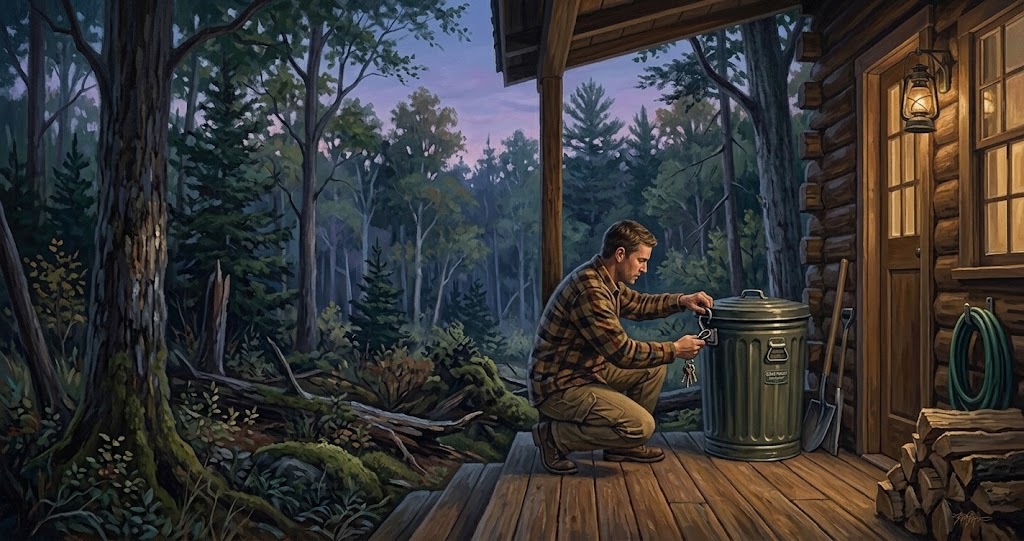
- Secure Garbage
- Remove Bird Feeders
- Clean Grills and Outdoor Cooking Areas
- Harvest Garden Crops Promptly
- What to Do If You See a Black Bear
- Practical Tips
- Common Mistakes
- Frequently Asked Questions
- Conclusion
Why Black Bears Eat Almost Nonstop in Late Summer (And What It Means for Your Yard)
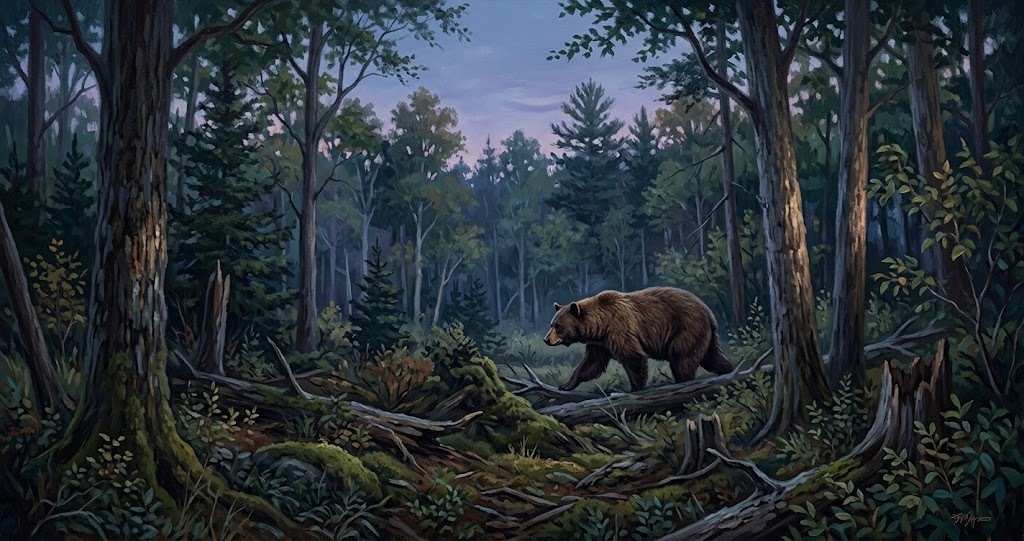
As summer begins to wind down, many people notice an increase in black bear sightings around neighborhoods, campgrounds, orchards, and even suburban backyards. This seasonal pattern isn’t random. It’s closely tied to black bear hyperphagia late summer, a natural biological process that drives bears to spend much of their day searching for food before winter arrives.
During this period, black bears dramatically increase their food intake as they prepare for the months ahead. Their behavior can make encounters with people more likely, especially where neighborhoods border forests or natural habitat. Fortunately, understanding why bears behave this way—and taking a few practical precautions—can greatly reduce conflicts while helping keep both people and wildlife safe.
What Is Hyperphagia?
Hyperphagia is a normal seasonal increase in appetite that occurs in several animal species, including black bears.
Rather than simply eating a little more, bears enter a period when finding food becomes one of their primary daily activities. Their bodies are preparing for winter by building fat reserves that will support them through denning, when food is unavailable or greatly reduced.
This is not a sign that a bear is unusually aggressive or starving. It is an expected part of the annual life cycle of healthy wild bears.
Why Black Bears Eat So Much in Late Summer
Unlike true hibernators that remain inactive throughout winter, black bears enter a state of winter dormancy during which they rely heavily on stored body fat.
To prepare, they must consume large amounts of calorie-rich foods during late summer and fall.
Natural foods commonly sought during this time include:
- Acorns
- Beechnuts
- Hickory nuts
- Wild berries
- Fruits
- Seeds
- Insects
- Grasses
- Other seasonal plant material
When natural foods are scarce—or when human food is easier to obtain—bears may investigate residential areas.
The Biology Behind Hyperphagia
Hyperphagia is controlled by seasonal biological changes rather than conscious planning.
As daylight gradually shortens and environmental conditions begin shifting toward autumn, hormonal and metabolic changes encourage bears to eat much more frequently.
These physiological changes allow bears to convert food efficiently into fat reserves that fuel their winter survival.
Wildlife biologists have long recognized hyperphagia as an essential adaptation for black bears across much of North America.
During this period, bears may spend many hours each day traveling between food sources.
Because energy conservation becomes increasingly important, bears are also attracted to foods that provide large amounts of calories with minimal effort.
This explains why unsecured garbage cans, pet food, fruit trees, compost piles, and bird feeders can become especially attractive.
Why Bear Sightings Increase in Late Summer and Fall
Many homeowners assume that increasing bear sightings mean bear populations have suddenly expanded.
In reality, changing seasonal behavior is often the primary reason.
Bears Cover More Ground
During hyperphagia, bears travel more extensively while searching for food.
A bear that remained deep in the forest during early summer may begin exploring orchards, neighborhoods, or rural properties if attractive food sources are available.
Natural Foods Vary from Year to Year
The availability of nuts, berries, and other wild foods changes annually depending on weather and local growing conditions.
When important natural foods are less abundant in a particular region, bears may spend more time investigating alternative food sources.
Human Food Is Highly Attractive
Garbage, bird seed, livestock feed, barbecue residue, compost containing food scraps, and fallen fruit all contain concentrated calories.
For a bear preparing for winter, these foods are often much easier to obtain than natural forage.
Because bears learn quickly, repeated access to these food sources may encourage them to return.
The U.S. Fish and Wildlife Service recommends preventing bears from obtaining human food whenever possible because food-conditioned bears are more likely to come into conflict with people:
https://www.fws.gov/
What Attracts Bears to Residential Yards?
Many common backyard items unintentionally attract bears.
The most frequent attractants include:
- Garbage stored outdoors
- Bird feeders
- Pet food left outside
- Greasy barbecue grills
- Fallen fruit beneath trees
- Accessible compost containing food waste
- Livestock or poultry feed
Even small amounts of food residue can produce odors that attract bears.
Removing these attractants is far more effective than attempting to scare bears away after they arrive.
How to Make Your Property Less Attractive to Bears
Wildlife agencies consistently emphasize prevention rather than confrontation.
Simple changes around your property can substantially reduce the likelihood of attracting bears.
Secure Garbage
Garbage is one of the strongest attractants for black bears.
Whenever possible:
- Store trash indoors until collection day.
- Use bear-resistant containers where available.
- Rinse food containers before disposal.
- Avoid leaving overflowing garbage outdoors overnight.
Reducing odors makes trash less appealing.
Remove Bird Feeders
Bird feeders provide concentrated, high-calorie food that bears readily exploit.
Many state wildlife agencies recommend removing bird feeders entirely during periods of high bear activity or whenever bears are active in the neighborhood.
If you choose to feed birds outside peak bear season, promptly clean spilled seed beneath feeders.
For more ideas on creating wildlife-friendly spaces safely, see our guide:
https://secretsofthegreengarden.com/how-to-create-a-wildlife-friendly-backyard/
Clean Grills and Outdoor Cooking Areas
Grease residue left on barbecue grills continues producing food odors long after cooking ends.
Clean grills thoroughly after each use and store them securely whenever practical.
Harvest Garden Crops Promptly
Vegetable gardens and fruit trees become increasingly attractive as produce ripens.
Harvest fruits and vegetables regularly rather than allowing them to remain on plants after reaching maturity.
Promptly remove fallen apples, pears, peaches, or other fruit from the ground.
Avoid Intentionally Feeding Bears
Never intentionally feed black bears.
Providing food may seem harmless, but it teaches bears to associate people with easy meals.
Food-conditioned bears are more likely to revisit neighborhoods, increasing the potential for dangerous encounters.
In addition, intentionally feeding bears is illegal in many U.S. states or subject to significant restrictions. Regulations vary by location, so always check guidance from your state wildlife agency before engaging in any activity that could attract bears.
What to Do If You See a Black Bear
Seeing a bear in your yard can be surprising, but remaining calm is important.
General wildlife agency recommendations include:
- Stay indoors or maintain a safe distance.
- Do not approach the bear.
- Do not attempt to feed it.
- Give the bear an opportunity to leave on its own.
- Keep pets under control.
- Follow guidance issued by your state wildlife agency.
If a bear repeatedly visits your property, removing food attractants is usually the most effective long-term solution.
Local wildlife agencies can also provide advice specific to your region.
Practical Tips
- Store garbage inside until pickup day whenever possible.
- Remove bird feeders during periods of bear activity.
- Harvest ripe fruit and vegetables promptly.
- Clean barbecue grills after every use.
- Keep pet food indoors.
- Secure compost that contains food scraps.
- Learn your state’s wildlife recommendations before bear season begins.
Common Mistakes
Leaving Bird Feeders Up During Peak Bear Activity
Bird seed is one of the easiest calorie sources for bears.
Assuming Bears Are Naturally Aggressive
Most black bears prefer avoiding people and are primarily searching for food.
Feeding Bears Intentionally
This increases the likelihood of future human-bear conflicts and may violate wildlife regulations.
Ignoring Small Food Sources
Even spilled seed, grease, or fallen fruit can repeatedly attract bears.
Frequently Asked Questions
Why do black bears eat so much in late summer?
They enter hyperphagia, a natural biological process that helps them build fat reserves before winter.
Are black bears always looking for meat?
No. Black bears are omnivores, and much of their diet consists of plant material, fruits, nuts, seeds, and insects.
Should I leave food out if a bear looks hungry?
No. Wildlife agencies strongly advise against intentionally feeding bears because it encourages dangerous habituation.
Is feeding bears illegal?
In many states, intentionally feeding bears is illegal or regulated. Always consult your state wildlife agency for current laws and recommendations.
Will removing bird feeders really help?
Yes. Bird seed is a highly attractive food source, and removing feeders is one of the most commonly recommended prevention measures.
Conclusion
Late summer hyperphagia is one of the most remarkable seasonal adaptations in North American wildlife. As black bears prepare for winter, their intense search for food naturally brings them into closer contact with human communities, especially where neighborhoods overlap with suitable bear habitat.
Fortunately, preventing problems is usually straightforward. Securing garbage, removing bird feeders during periods of bear activity, cleaning grills, harvesting garden produce promptly, and never intentionally feeding bears all help reduce the likelihood of encounters. By understanding the biology behind black bear hyperphagia rather than reacting out of fear, homeowners can protect their property while supporting responsible wildlife conservation and peaceful coexistence.