
Introduction
Most garden containers have a predictable lifespan. Plastic eventually becomes brittle under sunlight, untreated wood gradually decays, and metal may rust or overheat in summer. Concrete planters, however, follow a different path.
Rather than simply wearing out, concrete often develops more character as it ages. Rain, sunlight, moss, lichens, mineral deposits, and subtle weathering gradually transform a newly made planter into something that appears naturally integrated with the garden. Instead of looking older in a negative sense, well-made concrete containers often become more attractive over time.
Beyond their distinctive appearance, concrete planters offer practical advantages that make them a favorite among landscape designers, botanical gardens, and homeowners looking for durable, long-lasting containers.
What Makes Concrete Planters Different?
Concrete planters are made from cement mixed with sand, aggregates, and water to create an extremely durable container capable of lasting for decades.
Unlike lightweight plastic pots, concrete provides:
- Exceptional durability.
- Excellent stability.
- High resistance to weather.
- A timeless appearance.
- Good insulation for plant roots.
Perhaps their greatest distinction is how gracefully they age compared with many other container materials.
Why Concrete Looks Better Over Time
Most new concrete planters have a smooth, uniform appearance.
As the years pass, exposure to the elements gradually creates subtle changes that many gardeners consider desirable.
These changes include:
- Soft color variations.
- Natural patina.
- Moss growth in damp climates.
- Lichens on exposed surfaces.
- Mineral streaks from rainwater.
- Slight surface texture changes.
Rather than indicating damage, these features often add character and help the planter blend naturally into surrounding landscapes.
What Is a Patina?
A patina is the natural surface change that develops on materials after years of exposure to weather.
For concrete, this process may involve:
- Oxidation of minerals.
- Rainwater staining.
- Dust accumulation.
- Biological growth such as moss or lichens.
- Gentle surface weathering.
Many designers intentionally seek aged concrete because the patina creates a softer, more established appearance that complements both traditional and modern gardens.
Why Moss and Lichens Grow on Concrete
Concrete is slightly porous, allowing it to retain small amounts of moisture after rainfall.
In shaded or humid locations, this creates favorable conditions for mosses and lichens.
Although some gardeners prefer to remove these growths, others value them because they:
- Create a natural woodland appearance.
- Soften hard edges.
- Increase visual texture.
- Make new containers appear established.
These organisms usually grow only on the surface and generally do not damage structurally sound concrete.
Excellent Temperature Stability
One of concrete’s greatest horticultural advantages is its thermal mass.
Because concrete changes temperature slowly, it helps moderate root-zone temperatures.
Compared with thin plastic containers, concrete planters often:
- Warm more gradually during hot afternoons.
- Retain warmth longer during cool evenings.
- Reduce rapid temperature fluctuations.
- Provide a more stable environment for roots.
This stability can reduce plant stress during periods of extreme weather.
Heavy Enough to Stay Put
Large plants placed in lightweight containers may become unstable during strong winds.
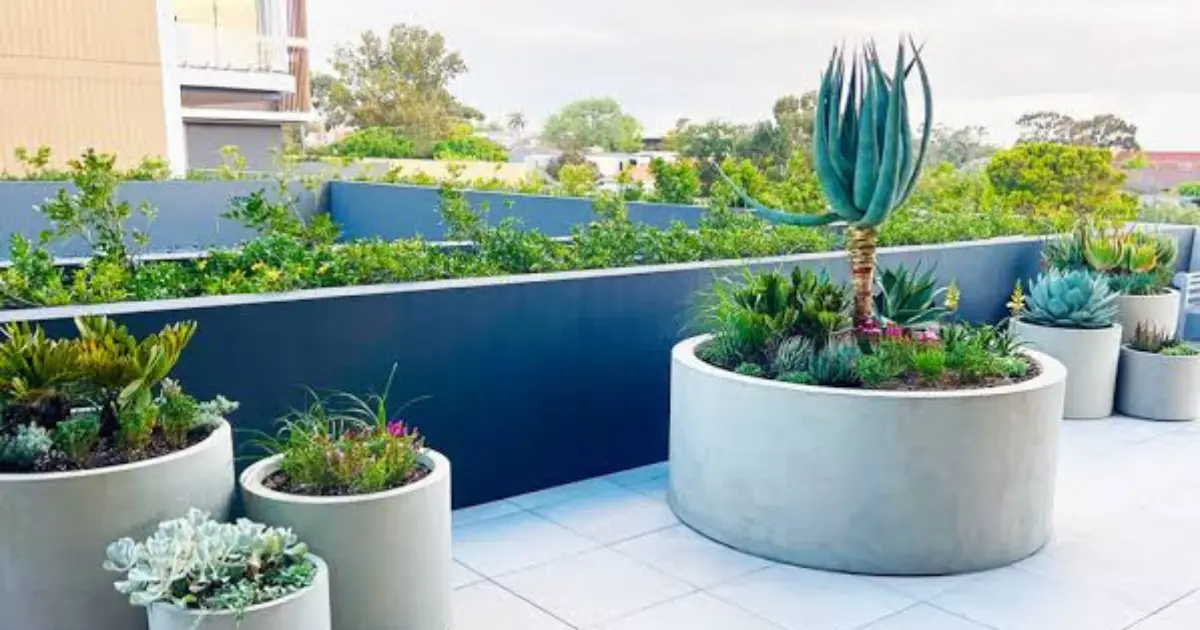
Concrete planters are much heavier, making them ideal for:
- Small trees.
- Tall ornamental grasses.
- Large shrubs.
- Architectural plants.
- Windy patios.
- Rooftop gardens where weight limits permit.
Their stability reduces the likelihood of containers tipping over during storms.
Long-Term Durability
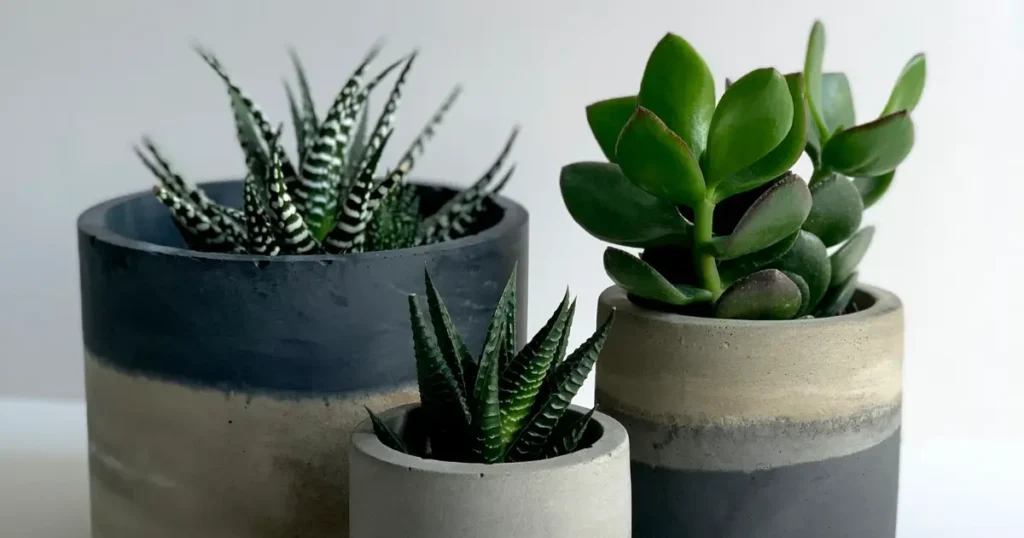
Properly manufactured concrete planters can remain functional for decades.
Many continue serving gardens for 30 years or more with minimal maintenance.
Their longevity depends on several factors, including:
- Quality of the concrete mix.
- Proper curing during manufacturing.
- Adequate drainage.
- Climate conditions.
- Winter freeze-thaw cycles.
High-quality reinforced concrete containers generally outlast many alternatives.
Do Concrete Planters Affect Soil?
Fresh concrete is naturally alkaline because it contains calcium compounds.
New planters may temporarily raise soil pH slightly during their first months of use.
Over time, weathering and repeated watering greatly reduce this effect.
For most ornamental plants, this is not a significant concern.
Gardeners growing strongly acid-loving plants, such as blueberries or some rhododendrons, may prefer lined containers or alternative materials if maintaining acidic soil is essential.
Drainage Is Still Essential
Regardless of the material, proper drainage remains critical.
Concrete planters should always include drainage holes to prevent waterlogging.
Standing water can lead to:
- Root rot.
- Poor oxygen availability.
- Fungal diseases.
- Freeze damage during winter.
Adding a well-draining potting mix is generally more important than placing gravel at the bottom, which research has shown does not improve drainage in most containers.
Best Plants for Concrete Planters
Concrete containers work particularly well for:
- Evergreen shrubs.
- Lavender.
- Rosemary.
- Boxwood.
- Ornamental grasses.
- Japanese maples.
- Small citrus trees in suitable climates.
- Perennial flowers.
- Succulents with excellent drainage.
Their stability also makes them ideal for large mixed container displays.
Caring for Concrete Planters
Maintenance is relatively simple.
To keep concrete planters in good condition:
- Clean gently with water and a soft brush.
- Avoid harsh acids that may damage the surface.
- Inspect drainage holes periodically.
- Elevate containers slightly so water drains freely.
- Protect empty containers from standing water during severe freezing conditions if recommended for your climate.
Many gardeners intentionally leave natural weathering untouched because it enhances the planter’s appearance.
Common Misconceptions
Concrete Always Cracks Quickly
Quality concrete planters are designed to withstand outdoor conditions.
Small surface cracks may occur with age, but properly manufactured containers often last for decades.
Moss Damages Concrete
Surface moss is usually cosmetic and rarely affects structural integrity.
Heavy Containers Cannot Be Moved
Although concrete is heavy, wheeled plant caddies and specialized lifting equipment make relocation much easier.
Older Means Worse
Unlike many garden materials, concrete often develops greater visual appeal as it ages naturally.
Practical Tips
- Choose reinforced concrete for large permanent containers.
- Ensure every planter has adequate drainage holes.
- Position heavy planters before filling them with soil.
- Allow natural weathering if you enjoy an established garden appearance.
- Use high-quality potting mix rather than garden soil.
- Raise containers slightly off the ground to improve drainage.
Common Mistakes
Forgetting Drainage
Even durable concrete cannot compensate for poorly drained soil.
Moving Filled Containers
Large concrete planters become extremely heavy once filled with soil and plants.
Cleaning with Strong Chemicals
Gentle cleaning preserves both the planter and its developing patina.
Ignoring Freeze-Thaw Conditions
Water trapped inside containers can expand during freezing weather and contribute to cracking if drainage is poor.
Frequently Asked Questions
Are concrete planters better than plastic?
They are generally more durable, stable, and better at moderating root temperatures, although they are significantly heavier.
Do concrete planters crack?
High-quality concrete planters can develop small cosmetic cracks over time, but many remain structurally sound for decades when properly maintained.
Why do concrete planters develop moss?
Their porous surface retains moisture, creating favorable conditions for moss and lichens in humid environments.
Can you grow vegetables in concrete planters?
Yes. Proper drainage and quality potting mix are usually more important than the planter material itself.
How long do concrete planters last?
Well-made concrete planters often remain usable for several decades and may last much longer under favorable conditions.
Conclusion
Concrete planters occupy a unique place in garden design because they improve with age rather than simply wearing out. While plastic fades and wood eventually decomposes, concrete gradually develops a natural patina that blends beautifully into the landscape.
Combined with exceptional durability, temperature stability, and resistance to weather, these qualities explain why concrete containers remain a favorite in public gardens, historic landscapes, and private homes around the world. Given proper drainage and minimal maintenance, a quality concrete planter can become a lasting feature that grows more attractive with every passing season.
Internal Linking
Learn how healthy soil supports stronger container plants:
https://secretsofthegreengarden.com/the-three-sisters-garden-method-why-corn-beans-and-squash-still-grow-better-together/
Discover which vegetables grow well in limited sunlight:
https://secretsofthegreengarden.com/best-vegetables-herbs-for-shaded-gardens/
Protect your container garden naturally from unwanted insects:
https://secretsofthegreengarden.com/homemade-insect-repellent-that-actually-works/
Recommended External Sources
- Royal Horticultural Society (RHS): https://www.rhs.org.uk
- Missouri Botanical Garden: https://www.missouribotanicalgarden.org
- Oregon State University Extension Service: https://extension.oregonstate.edu
Sau vài hôm dùng thử 188v nhà cái , mình thấy dùng khá ổn định và mượt. TONY07-20