
Discover the incredible journey of barn swallows, how they naturally control insects, why their nests are legally protected in many regions, and simple ways you can help these remarkable migratory birds thrive.
Every spring, barn swallows return from an extraordinary migration that spans thousands of miles. After crossing continents and oceans, many arrive at the very same nest they used the previous year, raising a new generation just inches from homes, barns, bridges, and outbuildings.
While their graceful flight is captivating, barn swallows provide something even more valuable: free, natural insect control. A single family can consume thousands of flying insects during the breeding season, making them one of nature’s most efficient allies for farmers and gardeners.
As traditional nesting sites disappear and insect populations decline, these birds face increasing challenges. Understanding their role in the ecosystem is the first step toward protecting them.
Meet the Barn Swallow
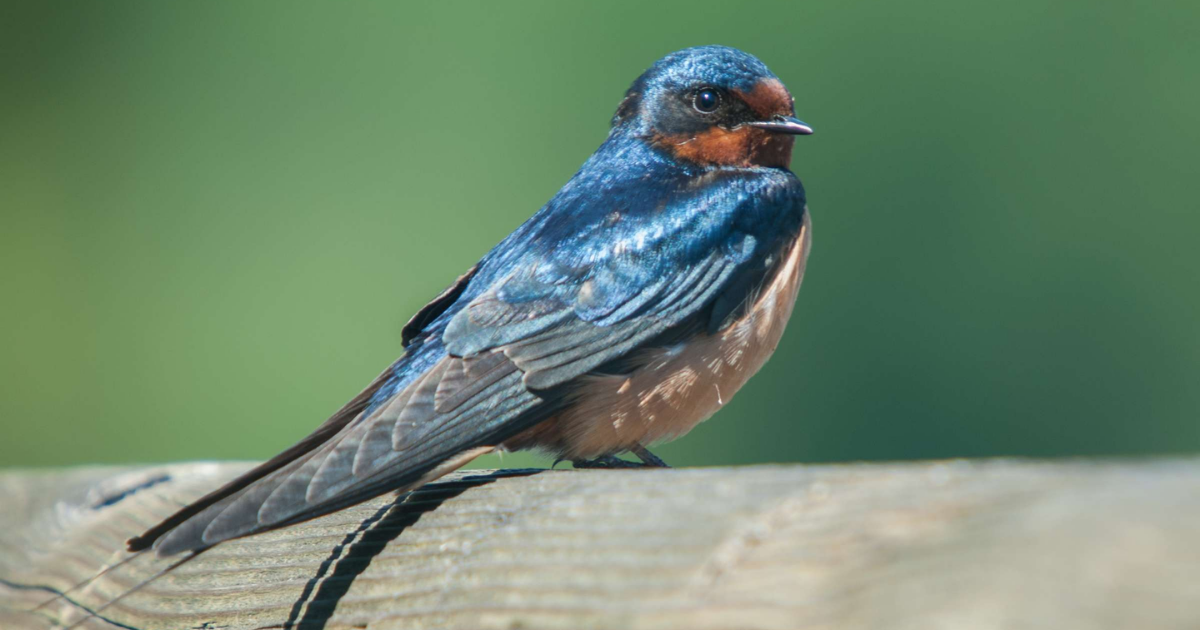
The barn swallow (Hirundo rustica) is one of the world’s most widespread migratory birds. It is easily recognized by its:
- Deeply forked tail
- Glossy blue-black upperparts
- Reddish throat and forehead
- Cream-colored underside
- Fast, agile flight
Barn swallows spend much of their day on the wing, catching insects in midair with remarkable precision.
An Incredible Migration
Barn swallows undertake one of the longest migrations of any familiar backyard bird.
Many populations breeding in North America travel thousands of miles to wintering grounds in Central and South America before returning each spring.
During this journey they must:
- Navigate changing weather patterns
- Cross large bodies of water
- Locate reliable food sources
- Return to successful nesting territories
Despite these challenges, many adults return to the same breeding area year after year.
Remarkable Nest Site Fidelity
One fascinating behavior of barn swallows is their loyalty to previous nesting locations.
If an old nest remains intact and suitable, many breeding pairs will reuse or repair it rather than build a completely new one.
Reusing nests offers several advantages:
- Saves time and energy
- Allows earlier egg-laying
- Increases breeding efficiency
- Conserves nesting materials
When an old nest cannot be reused, swallows construct a new cup-shaped nest from mud reinforced with grass and plant fibers.
Natural Insect Control
Barn swallows are aerial insect specialists.
They capture insects while flying, often just above fields, ponds, gardens, and meadows.
Common prey includes:
- Flies
- Mosquitoes
- Gnats
- Midges
- Flying ants
- Small beetles
- Winged termites
Because they hunt continuously throughout the day, a breeding pair feeding hungry nestlings removes an impressive number of insects from the surrounding landscape.
This natural pest control benefits:
- Home gardens
- Farms
- Livestock operations
- Orchards
- Wetland areas
Why Barn Swallows Nest Near People
Although they originally nested on cliffs and rock ledges, barn swallows have adapted remarkably well to human structures.
Today they commonly build nests beneath:
- Barn eaves
- Bridges
- Porches
- Garages
- Sheds
- Culverts
These locations offer protection from rain, predators, and direct sunlight while providing convenient access to open areas for hunting.
Challenges Facing Barn Swallows
Despite their adaptability, barn swallow populations have declined in several parts of their range.
Scientists attribute these declines to a combination of factors.
Loss of Nesting Sites
Modern construction often eliminates the open eaves and ledges that swallows traditionally use.
Renovations may also remove existing nests before birds return.
Declining Insect Populations
Flying insects are becoming less abundant in many regions because of:
- Habitat loss
- Intensive agriculture
- Climate change
- Widespread pesticide use
With fewer insects available, adult swallows must work harder to feed their young.
Habitat Changes
Urban expansion and changes in farming practices have reduced many of the open habitats that swallows depend on for hunting.
Legal Protection
In many countries, migratory birds and their active nests receive legal protection.
For example, in the United States, barn swallows are protected under the Migratory Bird Treaty Act, which generally prohibits disturbing active nests containing eggs or young without appropriate authorization.
Regulations vary by country, so always consult local wildlife authorities before removing or relocating nests.
The safest approach is to schedule building maintenance outside the breeding season whenever possible.
How You Can Help Barn Swallows
Supporting barn swallows doesn’t require a large property. Small actions can make a meaningful difference.
Preserve Suitable Nesting Areas
If practical, leave accessible eaves or sheltered ledges where swallows can build safely.
Reduce Insecticide Use
Avoid unnecessary broad-spectrum insecticides that reduce the flying insects swallows rely on for food.
Provide Mud During Dry Weather
Barn swallows need moist mud to construct and repair nests.
A shallow muddy patch can be especially valuable during dry springs.
Protect Existing Nests
If nests are inactive after the breeding season, consider leaving them in place for returning birds the following year.
Support Native Habitats
Native grasses, wildflowers, wetlands, and healthy meadows all contribute to abundant insect populations that benefit swallows.
Common Myths About Barn Swallows
Myth 1: Swallows Damage Buildings
Barn swallow nests are usually attached to surfaces with mud and rarely cause structural damage.
Minor mess beneath nests can often be managed with removable droppings boards installed below active nests.
Myth 2: Swallows Spread Large Numbers of Diseases
Healthy wild swallows generally pose very little risk to people when nests are left undisturbed and normal hygiene practices are followed.
Myth 3: They Only Live in Rural Areas
Although commonly associated with farms, barn swallows also breed in suburban and even some urban environments where suitable nesting sites remain available.
Frequently Asked Questions
How far do barn swallows migrate?
Migration distance varies depending on the breeding population, but many North American barn swallows travel thousands of miles between breeding and wintering grounds each year.
Do barn swallows return to the same nest?
Yes. Many pairs reuse or repair successful nests if they remain intact and safe.
What do barn swallows eat?
Their diet consists almost entirely of flying insects, including flies, mosquitoes, gnats, beetles, and other small aerial insects.
Can I remove a swallow nest?
In many countries, active nests containing eggs or chicks are legally protected. Always check local wildlife regulations before taking any action.
How can I attract barn swallows?
Providing open flying space, nearby water, mud for nest building, abundant insects, and suitable nesting locations can encourage barn swallows to return.
Final Thoughts
Barn swallows are among nature’s greatest travelers and one of the most effective natural insect controllers. Their annual migration, remarkable nest loyalty, and graceful aerial hunting make them an important part of healthy ecosystems across much of the world.
By preserving nesting sites, reducing unnecessary pesticide use, and protecting active nests, homeowners and land managers can help ensure these remarkable birds continue to return each spring. Welcoming barn swallows is not only a contribution to bird conservation—it also supports a healthier, more balanced environment for gardens, farms, and communities.
SEO Information
Primary Keyword: Barn swallows
Related Keywords:
- Barn swallow migration
- Swallow nest
- Migratory birds
- Natural insect control
- Barn swallow conservation
- Bird-friendly backyard
- Protecting swallow nests
- Backyard wildlife
Internal Linking Suggestions (secretsofthegreengarden.com)
- How to Create a Bird-Friendly Backyard Habitat
- Why Native Plants Support More Birds and Pollinators
- Natural Ways to Reduce Mosquitoes Without Harming Wildlife
External Linking Suggestions
- Cornell Lab of Ornithology – Barn Swallow Species Guide
- U.S. Fish & Wildlife Service – Migratory Bird Treaty Act
- BirdLife International – Barn Swallow Species Factsheet
Meta Description: Learn about barn swallows, their incredible migration, natural insect control benefits, nesting habits, legal protections, and practical ways to help these remarkable birds thrive around your home.