
Discover why ladybug larvae are among the most valuable beneficial insects in the garden, how they control aphids naturally, and why protecting them can dramatically reduce pest problems without chemicals.
Many gardeners are thrilled when they spot a bright red ladybug on a plant. However, few realize that the most effective aphid hunter isn’t the adult ladybug—it’s the larva. Because ladybug larvae look nothing like the familiar spotted beetles, they are often mistaken for pests and accidentally removed or sprayed.
In reality, these tiny predators are some of the hardest-working allies in the garden. A single larva can consume hundreds of aphids before reaching adulthood, making it one of nature’s most efficient forms of biological pest control.
Understanding the ladybug life cycle can help gardeners protect these beneficial insects and maintain a healthier, more balanced ecosystem.
What Are Ladybug Larvae?
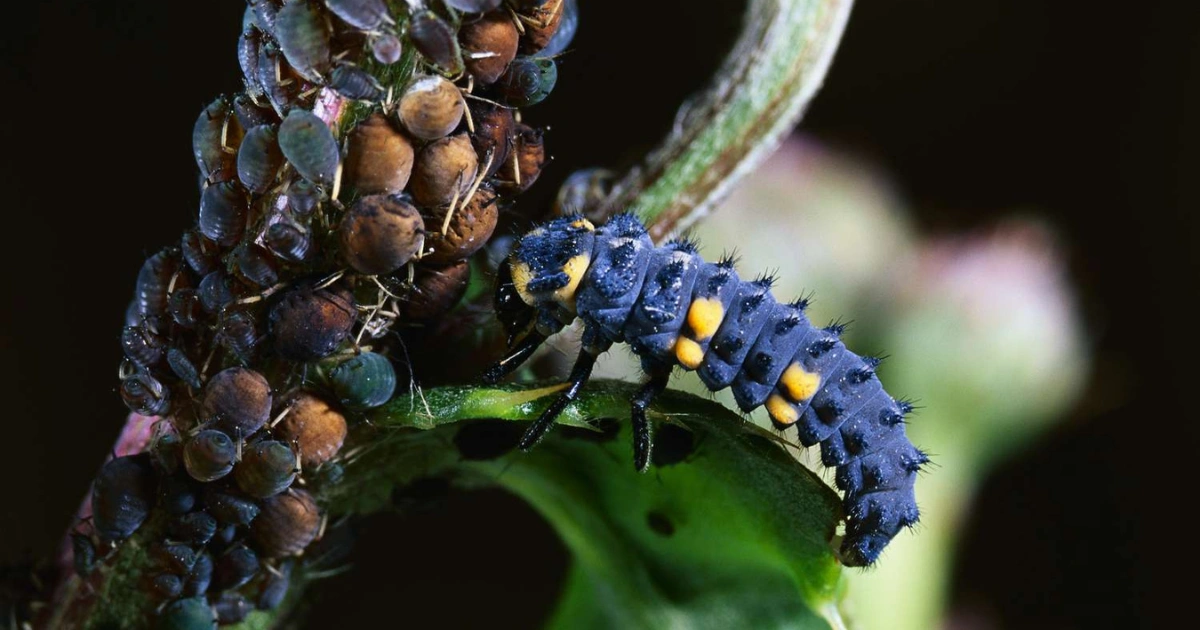
Ladybug larvae are the juvenile stage of lady beetles (family Coccinellidae). Unlike the round, colorful adults, larvae have elongated bodies covered with small spines or bumps.
They are often described as resembling:
- Tiny alligators
- Miniature dragons
- Small black and orange caterpillars
Because of their unusual appearance, many people fail to recognize them as beneficial insects.
Why Ladybug Larvae Are Important
Ladybug larvae spend nearly all their time searching for food.
Their favorite prey includes:
- Aphids
- Whiteflies
- Scale insects
- Mite eggs
- Small soft-bodied garden pests
Unlike many predators that occasionally feed on pests, ladybug larvae are highly specialized hunters that actively patrol plants in search of prey.
Aphid Control Champions
Aphids are among the most destructive garden pests.
They:
- Suck plant sap
- Distort leaves
- Spread plant diseases
- Weaken flowers and vegetables
Ladybug larvae help keep aphid populations under control before infestations become severe.
The Amazing Ladybug Life Cycle
Understanding the life cycle helps explain why ladybugs are so effective.
Stage 1: Eggs
Female ladybugs strategically lay clusters of yellow or orange eggs near aphid colonies.
This placement provides an immediate food source for newly hatched larvae.
Benefits of this strategy include:
- Increased survival rates
- Reduced travel distance
- Immediate access to prey
A gardener who notices yellow egg clusters near aphids should usually leave them undisturbed.
Stage 2: Larvae
Once hatched, larvae begin feeding almost immediately.
This stage is the most aggressive feeding period in the entire life cycle.
During several weeks of development, a single larva may consume hundreds of aphids.
Stage 3: Pupa
After reaching full size, the larva attaches itself to a leaf or stem and enters the pupal stage.
Inside the pupa, the insect undergoes a remarkable transformation.
Stage 4: Adult Ladybug
The familiar adult ladybug emerges from the pupa and continues feeding on aphids and other soft-bodied pests.
Adults also reproduce and begin the cycle again.
How Many Aphids Can a Ladybug Eat?
Ladybugs are famous for their appetite.
Although numbers vary by species and environmental conditions:
- Larvae can consume hundreds of aphids before pupation.
- Adults may eat dozens of aphids each day.
- Multiple generations can develop during a growing season.
A healthy population of ladybugs can significantly reduce aphid outbreaks without the need for chemical treatments.
Why Ladybugs Lay Eggs Near Aphids
Many gardeners wonder why ladybug eggs often appear directly beside pest colonies.
The answer is simple: food security.
Newly hatched larvae have limited mobility.
By placing eggs close to aphids, the female ensures her offspring have immediate access to prey.
This natural strategy increases survival rates and creates highly efficient pest-control teams exactly where they are needed most.
The Problem with Broad-Spectrum Insecticides
One of the biggest threats to ladybug larvae is accidental exposure to pesticides.
Broad-spectrum insecticides often kill:
- Aphids
- Ladybug larvae
- Adult ladybugs
- Pollinators
- Other beneficial insects
Unfortunately, eliminating beneficial predators can allow pest populations to rebound even more quickly.
How Chemical Sprays Can Backfire
When predators disappear:
- Aphid populations recover rapidly.
- Natural pest control declines.
- More spraying becomes necessary.
- Garden biodiversity decreases.
Protecting beneficial insects is often a more sustainable long-term solution.
How to Attract Ladybugs to Your Garden
Creating a welcoming environment encourages ladybugs to remain in your landscape.
Plant Nectar-Rich Flowers
Adult ladybugs benefit from nectar and pollen sources.
Good choices include:
- Dill
- Fennel
- Yarrow
- Calendula
- Alyssum
- Coneflowers
Avoid Unnecessary Sprays
Limiting pesticide use allows beneficial insect populations to thrive naturally.
Provide Diverse Habitat
A variety of plants creates shelter and hunting opportunities.
Include:
- Flowering annuals
- Native perennials
- Herbs
- Shrubs
Leave Some Aphids
A small aphid population can actually attract beneficial predators before a major infestation develops.
How to Identify Ladybug Eggs and Larvae
Ladybug Eggs
Characteristics:
- Yellow to orange
- Oval-shaped
- Laid in clusters
- Usually found near aphid colonies
Ladybug Larvae
Characteristics:
- Elongated body
- Black, gray, or dark coloration
- Orange or yellow markings
- Active movement across leaves and stems
Recognizing these stages can prevent accidental removal.
Common Garden Myths About Ladybug Larvae
Myth 1: They Are Harmful Caterpillars
Ladybug larvae are predators, not plant-eating pests.
Myth 2: All Insects on Infested Plants Are Bad
Beneficial predators are often found exactly where pests are present because that’s where their food source exists.
Myth 3: Chemical Sprays Are Always Necessary
In many cases, beneficial insects can provide effective natural control when given time to work.
Frequently Asked Questions
What do ladybug larvae eat?
Their primary food source is aphids, but they may also consume mites, whiteflies, insect eggs, and other small soft-bodied pests.
How long does the larval stage last?
Depending on temperature and species, the larval stage generally lasts several weeks before pupation.
Should I remove ladybug larvae from my plants?
No. Ladybug larvae are beneficial predators that help protect plants from pest infestations.
What do ladybug eggs look like?
Ladybug eggs are small, yellow to orange, and typically arranged in clusters on leaves or stems.
Are ladybug larvae safe for vegetable gardens?
Yes. They are highly beneficial and can help reduce aphid populations on vegetables, herbs, and fruit crops.
Final Thoughts
Ladybug larvae may not be as recognizable as adult ladybugs, but they are among the most effective natural pest controllers in the garden. Their ability to consume large numbers of aphids makes them invaluable allies for gardeners seeking healthier plants and reduced chemical use.
By learning to recognize ladybug eggs, larvae, pupae, and adults, gardeners can protect these beneficial insects and encourage a self-regulating ecosystem. Sometimes the tiny creature that looks like a pest is actually one of the best defenders your garden could have.
SEO Information
Primary Keyword: Ladybug larvae
Related Keywords:
- Beneficial garden insects
- Natural aphid control
- Ladybug life cycle
- Aphid predators
- Biological pest control
- Lady beetle larvae
- Organic gardening
- Beneficial insects in the garden
Internal Linking Suggestions (secretsofthegreengarden.com)
- Beneficial Garden Insects Every Gardener Should Know
- Natural Ways to Control Aphids Without Chemicals
- How to Create a Pollinator-Friendly Garden
External Linking Suggestions
- University of California Integrated Pest Management – Lady Beetles
- Cornell University Beneficial Insects Resources
- USDA Natural Resources Conservation Service Pollinator and Beneficial Insect Information
Meta Description: Learn why ladybug larvae are powerful natural aphid predators, how to identify them, and why protecting these beneficial insects can improve garden health while reducing the need for pesticides.