
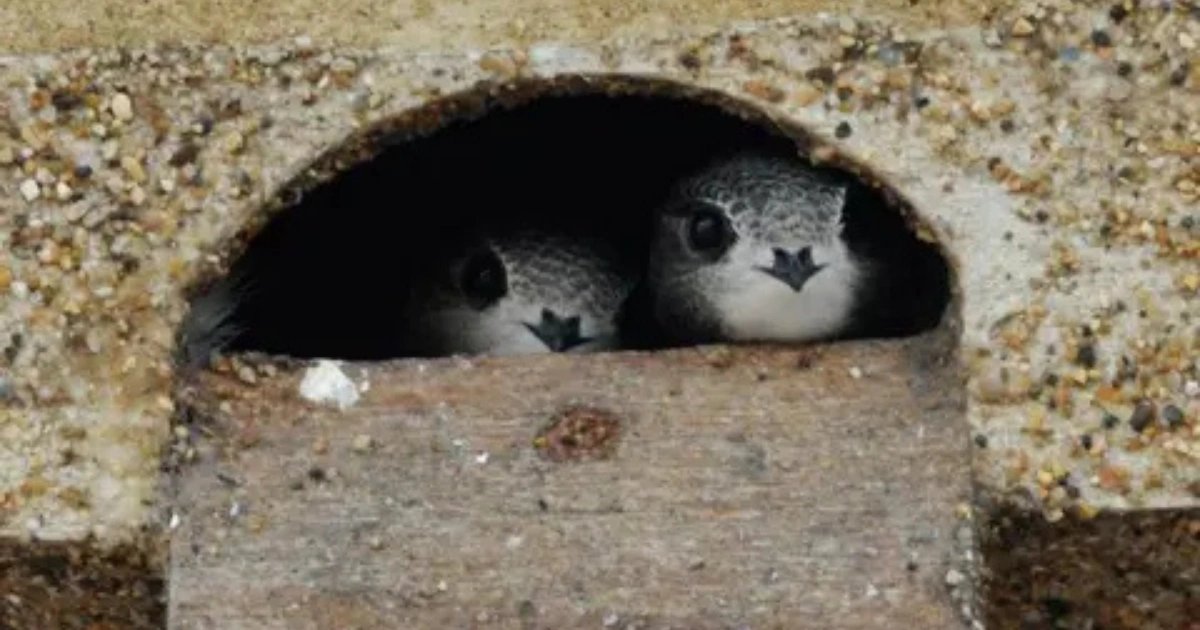
Learn how artificial swift nest boxes support declining swift populations, encourage colony nesting, and provide safe breeding sites for these extraordinary aerial birds.
Swifts are among the most fascinating birds on Earth. They spend almost their entire lives in the air, feeding, drinking, sleeping, and even mating while flying. Yet despite their incredible adaptations, many swift species face growing challenges as traditional nesting sites disappear from modern buildings.
Artificial nest boxes have become an important conservation tool, helping replace lost nesting cavities and giving swifts safe places to breed. Properly designed and installed nest boxes can support local colonies for decades while allowing homeowners, schools, churches, and community groups to contribute directly to bird conservation.
This guide explains how swift nest boxes work, why they matter, and how to install them successfully.
Why Swifts Need Artificial Nest Boxes
Historically, swifts nested in:
- Gaps beneath roof tiles
- Cavities in old buildings
- Church towers
- Stone walls
- Traditional barns
Modern construction methods have greatly reduced these opportunities.
Common causes of nesting habitat loss include:
- Building renovations
- Sealed roof spaces
- Demolition of older structures
- Modern energy-efficiency upgrades
- Loss of traditional architecture
As nesting sites disappear, swift populations can decline even when food remains available.
Artificial nest boxes help compensate for this loss.
Understanding Swift Behavior
Swifts differ significantly from many other birds.
Masters of the Air
Swifts are built for flight.
Key adaptations include:
- Extremely long wings
- Lightweight bodies
- Exceptional maneuverability
- High-speed aerial feeding
Many swifts spend months continuously airborne during migration and breeding seasons.
Colonial Nesters
Unlike solitary nesting birds, swifts often breed in colonies.
Benefits of colony nesting include:
- Increased breeding success
- Social communication
- Site fidelity
- Shared predator awareness
Because of this behavior, installing multiple nest boxes often produces better results than a single box.
Long-Term Site Loyalty
Once swifts establish a successful nesting site, they frequently return year after year.
Some breeding pairs may use the same location for many seasons.
This loyalty makes artificial nest boxes a long-term conservation investment.
Features of an Effective Swift Nest Box
Not all birdhouses are suitable for swifts.
Their unique biology requires specialized designs.
Correct Entrance Dimensions
Swift entrances are narrow horizontal openings rather than large round holes.
A typical entrance:
- Allows swift access
- Discourages larger competitors
- Provides protection from predators
The opening should be carefully sized for local swift species.
Deep Nest Chamber
Swifts require sufficient internal space for:
- Adults
- Chicks
- Nest material
- Safe movement within the cavity
The chamber should remain dark, sheltered, and protected from weather.
Nest Cup or Concave Base
Many successful designs include a shallow depression or nest cup.
This feature:
- Helps keep eggs secure
- Prevents rolling
- Mimics natural nesting conditions
Ventilation
Good airflow prevents excessive heat buildup during warm weather.
Ventilation openings should:
- Allow air circulation
- Exclude rain
- Avoid creating strong drafts
No Perches
Unlike many garden birds, swifts do not require perches.
In fact, external perches can create problems by attracting competing bird species.
Most conservation experts recommend perch-free designs.
Ideal Placement for Swift Nest Boxes
Location is often the most important factor affecting occupancy.
Height Above Ground
Swifts need sufficient height to enter and leave their nests easily.
Boxes are commonly installed:
- On buildings
- Under eaves
- On gable walls
- On towers or tall structures
Higher placements generally improve accessibility.
Clear Flight Path
Swifts approach nests at speed.
Avoid locations with:
- Dense tree cover
- Utility wires directly in front
- Obstacles near the entrance
An open flight corridor greatly improves success.
Orientation
In hotter climates, avoid prolonged direct afternoon sun whenever possible.
This helps prevent overheating during the breeding season.
When to Install a Swift Nest Box
The best time to install nest boxes is before swifts return from migration.
In many regions:
- Late winter
- Early spring
are ideal installation periods.
However, boxes can be installed at any time of year.
The earlier they are available, the greater the chance swifts will investigate them.
How Long Does It Take for Swifts to Move In?
Patience is important.
Some boxes attract occupants within the first season.
Others may take:
- Two years
- Three years
- Even longer
Factors affecting occupancy include:
- Local swift populations
- Box placement
- Availability of nearby nesting sites
- Use of attraction calls
Once a colony becomes established, occupancy rates often increase.
Using Swift Attraction Calls
Many conservation projects successfully use recorded swift calls to attract birds.
Playback systems can:
- Increase awareness of new nesting sites
- Encourage investigation
- Help establish new colonies
These recordings are typically used during the breeding season when swifts are actively searching for nesting locations.
Always follow local wildlife guidelines regarding playback use.
Benefits of Supporting Swift Populations
Installing swift nest boxes benefits both birds and communities.
Conservation Support
Nest boxes directly address one of the primary causes of swift decline: habitat loss.
Natural Insect Control
Swifts consume large quantities of airborne insects.
Their diet includes:
- Flying insects
- Small aerial invertebrates
- Seasonal insect swarms
Educational Value
Swift colonies offer opportunities to observe fascinating wildlife behavior and teach people about urban biodiversity.
Long-Term Impact
A well-designed nest box may support generations of breeding birds.
Common Mistakes to Avoid
Installing Boxes Too Low
Low placements can reduce accessibility and increase disturbance.
Adding Perches
Perches are unnecessary and may encourage competing species.
Blocking Flight Access
Trees and structures directly in front of the entrance can discourage occupancy.
Expecting Immediate Results
Swifts may take several seasons to discover and adopt new nesting sites.
Frequently Asked Questions
Why do swifts need nest boxes?
Many traditional nesting cavities have disappeared due to modern building practices. Nest boxes help replace lost breeding habitat.
Do swifts use regular birdhouses?
Generally no. Swifts require specialized nest boxes with specific dimensions and entrance designs.
How high should a swift nest box be installed?
Higher locations on buildings are generally preferred, provided there is a clear flight path to the entrance.
Should swift boxes have perches?
No. Swifts do not need perches, and adding them may encourage other species to occupy the box.
How long do swifts live?
Many swift species are surprisingly long-lived, with individuals capable of surviving for well over a decade under favorable conditions.
Final Thoughts
Artificial swift nest boxes are a simple but powerful conservation tool. As traditional nesting sites continue to disappear, these specially designed structures provide safe breeding opportunities for one of nature’s most extraordinary aerial specialists.
By installing appropriate nest boxes, maintaining clear flight access, and supporting colony formation, homeowners and communities can help protect swift populations while contributing to urban and rural biodiversity. A single nest box may seem small, but over time it can become part of a thriving colony that returns year after year.
SEO Information
Primary Keyword: Swift nest box
Related Keywords:
- Artificial swift nest box
- Swift conservation
- Nest boxes for swifts
- Bird nesting habitat
- Colony nesting birds
- Urban bird conservation
- Swift house design
- Wildlife-friendly buildings
Internal Linking Suggestions (secretsofthegreengarden.com)
- How to Create a Bird-Friendly Backyard Habitat
- The Best Nest Boxes for Different Garden Birds
- Why Native Plants Are Essential for Wildlife Gardens
External Linking Suggestions
- Swift Conservation – Nest Box Guidance
- British Trust for Ornithology Swift Resources
- Cornell Lab of Ornithology Bird Conservation Resources
Meta Description: Learn how a swift nest box helps protect declining swift populations. Discover design features, installation tips, colony behavior, and conservation benefits for these remarkable aerial birds.