
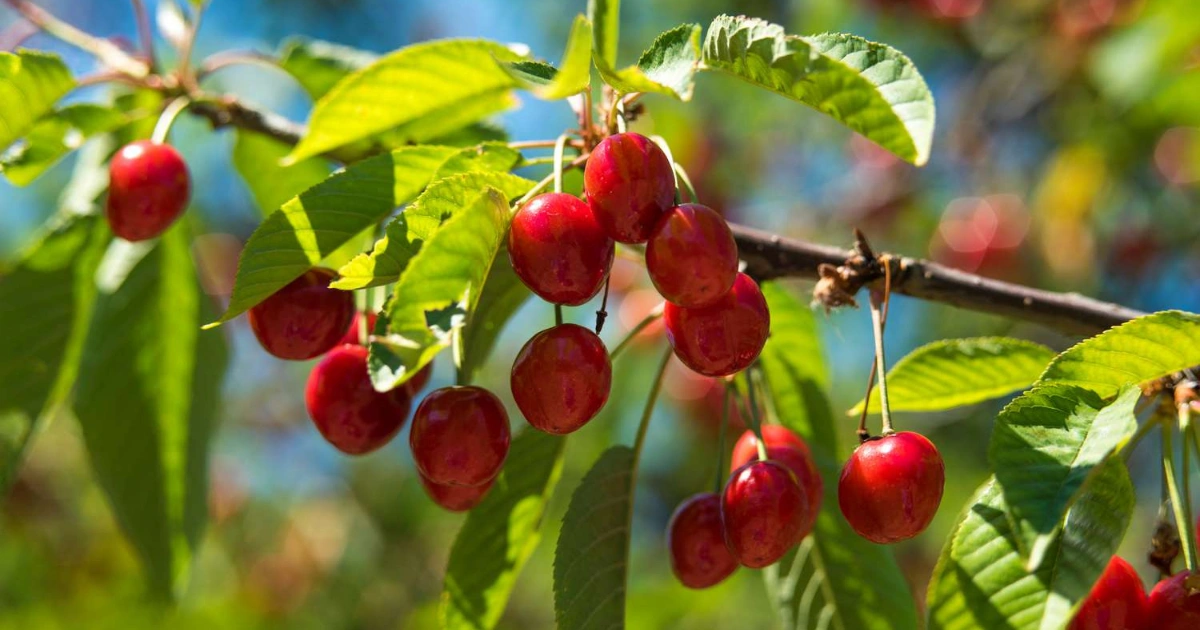
Many gardeners are surprised to learn that some fruit tree seeds need a period of cold weather before they can sprout. In nature, these seeds fall to the ground in autumn, spend winter in cool, moist soil, and germinate when temperatures rise in spring.
This natural process, known as cold stratification, can be replicated at home using a refrigerator. With patience and proper preparation, seeds from cherries, peaches, apricots, nectarines, and persimmons can be encouraged to germinate and begin their journey toward becoming young trees.
Primary Keyword: cold stratification
What Is Cold Stratification?
Cold stratification is a seed treatment that mimics winter conditions.
Many temperate fruit trees have evolved a built-in dormancy mechanism that prevents seeds from sprouting immediately after falling from the tree. This adaptation helps protect young seedlings from emerging during autumn and being damaged by winter weather.
During cold stratification, seeds are exposed to:
- Cool temperatures
- Consistent moisture
- Darkness
- Time
Once dormancy is broken, the seed becomes capable of germinating when conditions improve.
Why Some Fruit Tree Seeds Need Cold Treatment
Fruit trees from regions with cold winters often require a chilling period before germination can occur.
Without this cold exposure:
- Germination may be delayed
- Seeds may remain dormant
- Sprouting rates may decrease
Cold stratification helps signal that winter has passed and spring has arrived.
Fruit Seeds That Commonly Benefit From Cold Stratification
Several popular stone fruits respond well to refrigerator stratification.
Cherry Seeds
Cherry pits often require approximately:
- 6 to 10 weeks of cold treatment
Germination rates can vary significantly between varieties.
Peach Seeds
Peach pits generally benefit from:
- 8 to 12 weeks of cold exposure
Peaches are among the most commonly grown fruit trees from seed.
Nectarine Seeds
Because nectarines are closely related to peaches, they typically require:
- 8 to 12 weeks of stratification
Apricot Seeds
Apricot pits often need:
- 2 to 3 months of chilling
Results vary depending on variety and seed quality.
Persimmon Seeds
Many persimmon varieties also respond well to:
- Approximately 2 to 3 months of cold treatment
How Cold Stratification Works
The process is relatively simple.
Step 1: Clean the Seeds
After removing seeds from ripe fruit:
- Remove all fruit residue
- Rinse thoroughly
- Allow excess moisture to drain
Clean seeds are less likely to develop mold during storage.
Step 2: Soak the Seeds
Many gardeners soak seeds for a short period before stratification.
This may help:
- Rehydrate the seed
- Encourage dormancy release
- Improve moisture absorption
Step 3: Prepare a Moist Medium
Seeds are typically placed in a lightly moist medium such as:
- Peat moss
- Coconut coir
- Vermiculite
- Moist paper towels
The material should be damp but not waterlogged.
Step 4: Refrigerate
Store the seeds in a sealed container or bag in the refrigerator.
Most fruit tree seeds stratify successfully at temperatures between 34°F and 41°F (1°C to 5°C).
Step 5: Monitor Regularly
Check periodically for:
- Mold
- Excess moisture
- Early root emergence
Some seeds begin sprouting before the chilling period ends.
Planting Stratified Seeds
Once roots emerge or the chilling period is complete, seeds can be planted.
Planting Depth
A common guideline is to plant seeds approximately:
- One inch (2.5 cm) deep
Depth may vary depending on seed size and species.
Growing Conditions
Young seedlings generally perform best with:
- Bright light
- Consistent moisture
- Good drainage
- Protection from extreme temperatures
Will a Seed-Grown Tree Produce Identical Fruit?
One of the most important considerations when growing fruit trees from seed is genetic variability.
Expect Differences
Unlike grafted trees, seed-grown trees may not produce fruit identical to the parent tree.
Possible differences include:
- Fruit size
- Flavor
- Yield
- Disease resistance
- Growth habit
For many gardeners, the reward lies in the experience of growing a tree from a discarded seed rather than reproducing a specific cultivar.
Advantages of Growing Trees From Seed
Although grafted nursery trees offer predictability, growing from seed provides unique benefits.
Educational Value
Watching a seed develop into a tree offers valuable insight into plant biology and seasonal growth cycles.
Low Cost
Seeds from consumed fruit are often readily available.
Gardening Satisfaction
Many gardeners enjoy the challenge and reward of nurturing a tree from its earliest stages.
Genetic Diversity
Seed-grown trees contribute genetic variation that can be beneficial in some growing environments.
Common Cold Stratification Mistakes
Allowing Seeds to Dry Out
Dormancy-breaking processes require consistent moisture.
Excessive Moisture
Overly wet conditions can encourage mold and rot.
Insufficient Chilling Time
Some species need extended periods of cold exposure before germination becomes possible.
Freezing the Seeds
Refrigeration is generally preferred over freezing for most stratification projects.
Frequently Asked Questions
What is cold stratification?
Cold stratification is a process that exposes seeds to cool, moist conditions to simulate winter and break dormancy.
Can I grow a peach tree from a peach pit?
Yes. Peach pits can often germinate after an appropriate period of cold stratification.
How long should seeds stay in the refrigerator?
The required time varies by species, but many stone fruits need between 6 and 12 weeks of chilling.
Will fruit from a seed-grown tree taste the same?
Not necessarily. Seed-grown trees often differ genetically from the parent tree.
Do all fruit seeds require cold stratification?
No. Many tropical and subtropical fruit species do not require chilling periods.
Conclusion
Cold stratification is a simple but fascinating technique that allows gardeners to mimic nature’s winter cycle and encourage the germination of many fruit tree seeds. By providing moisture, cool temperatures, and patience, it is possible to grow cherries, peaches, nectarines, apricots, and persimmons from seeds that might otherwise be discarded.
While seed-grown trees may not produce identical fruit to their parent plants, they offer a rewarding gardening experience and a unique opportunity to witness the entire life cycle of a tree from the very beginning.
Suggested Internal Links for SecretsoftheGreenGarden.com
Consider linking to:
- How to Grow Fruit Trees in Small Gardens
- Best Fruit Trees for Beginner Gardeners
- Starting Plants From Seed: Essential Tips for Success
Suggested External Resources
For science-based information on seed dormancy and germination, consider referencing:
- USDA Plant Propagation Resources
- University of California Agriculture and Natural Resources Seed Propagation Guides
- Missouri Botanical Garden Plant Science Resources
Related Keywords: fruit tree seeds, seed germination, refrigerator stratification, stone fruit propagation, growing fruit trees from seed, peach pit germination, cherry seed planting, seed dormancy, home orchard gardening.