
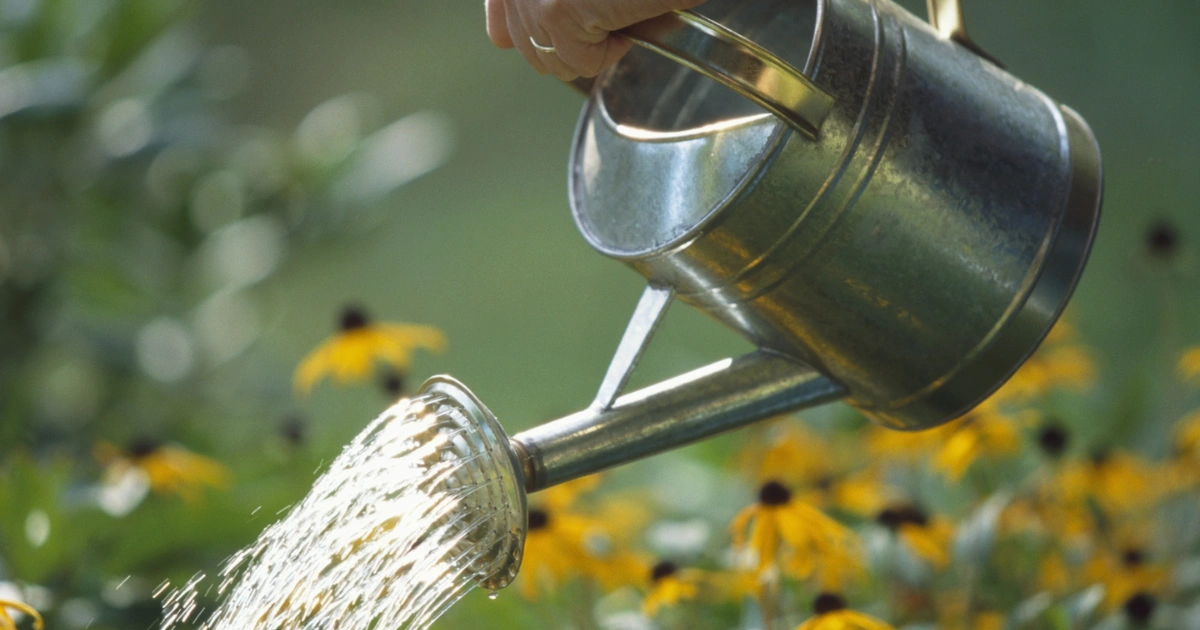
Water is one of the most important resources in any garden, but more water does not always mean healthier plants. In fact, many common gardening problems can be traced back to improper watering habits. From shallow root systems to fungal diseases and wasted water, simple mistakes can reduce plant growth and make gardens more vulnerable to stress.
Learning the right watering techniques can help plants develop stronger roots, improve drought resistance, and produce healthier flowers, fruits, and foliage throughout the growing season.
Primary Keyword: garden watering mistakes
Why Proper Watering Matters
Water supports nearly every aspect of plant growth, including:
- Nutrient uptake
- Photosynthesis
- Root development
- Flower and fruit production
- Temperature regulation
However, watering incorrectly can be just as harmful as underwatering. Understanding common garden watering mistakes can save time, reduce water waste, and improve overall plant health.
1. Watering During the Hottest Part of the Day
Many gardeners reach for the hose when they notice plants wilting under the midday sun. Unfortunately, this is often the least efficient time to water.
Why It’s a Problem
During the hottest hours:
- Water evaporates more quickly
- Less moisture reaches plant roots
- Plants may experience additional stress
Better Solution
Water during:
- Early morning
- Late afternoon
- Early evening
Morning watering is generally considered the best option because it allows plants to absorb moisture before temperatures rise.
2. Watering the Leaves Instead of the Soil
Spraying foliage may seem effective, but most plants absorb water through their roots rather than their leaves.
Why It’s a Problem
Wet foliage can encourage:
- Fungal diseases
- Powdery mildew
- Leaf spot diseases
- Increased moisture-related problems
Better Solution
Direct water toward the soil at the base of the plant.
Methods such as:
- Soaker hoses
- Drip irrigation
- Targeted hand watering
help deliver moisture exactly where plants need it.
3. Watering Shallowly Every Day
Frequent light watering is one of the most common garden watering mistakes.
Why It’s a Problem
Shallow watering encourages roots to remain near the surface where soil dries quickly.
This can make plants:
- Less drought tolerant
- More dependent on frequent irrigation
- More vulnerable during heat waves
Better Solution
Provide deeper, less frequent watering.
Deep watering encourages roots to grow downward in search of moisture, resulting in stronger and more resilient plants.
For many gardens, watering deeply two or three times per week is more effective than daily surface watering.
4. Using the Same Watering Schedule Year-Round
Plants do not require identical amounts of water throughout the year.
Why It’s a Problem
Water needs vary according to:
- Temperature
- Rainfall
- Humidity
- Plant growth stage
- Seasonal conditions
Following a fixed schedule can lead to overwatering or underwatering.
Better Solution
Adjust watering practices based on:
- Current weather
- Seasonal changes
- Soil conditions
- Plant performance
Flexible watering is more effective than rigid routines.
5. Ignoring Soil Moisture Levels
Many gardeners water according to the calendar rather than actual soil conditions.
Why It’s a Problem
Watering without checking soil moisture can result in:
- Waterlogged roots
- Root rot
- Nutrient loss
- Unnecessary water use
Better Solution
Check the soil before watering.
A simple method is to insert a finger approximately two inches into the soil.
If the soil feels moist at that depth, additional watering may not be necessary.
Moisture meters can also provide useful guidance.
6. Using Very Cold Water on Extremely Hot Days
Temperature shock is not always discussed, but it can affect sensitive plants.
Why It’s a Problem
Water that is significantly colder than the surrounding soil may temporarily stress roots.
This is particularly noticeable in:
- Container gardens
- Young seedlings
- Heat-sensitive plants
Better Solution
Allow water to warm naturally before use whenever practical.
Rain barrels and watering cans often provide water closer to ambient temperature than freshly drawn cold tap water.
7. Applying Fertilizer Without Proper Water Management
Water and fertilizer work together, but timing matters.
Why It’s a Problem
Improper watering around fertilizer applications may:
- Burn roots
- Reduce nutrient absorption
- Cause nutrient runoff
Better Solution
Follow fertilizer instructions carefully.
In many situations:
- Lightly moisten soil before fertilizing
- Water appropriately after application if recommended
Always follow product-specific guidance.
8. Skipping Mulch
Many gardeners focus on watering frequency while overlooking one of the most effective moisture-conservation tools available.
Why It’s a Problem
Bare soil loses moisture quickly through evaporation.
Without mulch, gardens often require more frequent irrigation.
Better Solution
Apply a mulch layer approximately 2 to 3 inches deep around plants.
Benefits include:
- Reduced evaporation
- Improved soil temperature stability
- Weed suppression
- Better soil health
Organic mulches such as shredded leaves, bark, straw, or compost are excellent choices for many gardens.
Signs Your Garden May Be Overwatered
Many people worry about underwatering, but overwatering is equally common.
Watch for:
- Yellow leaves
- Wilting despite wet soil
- Root rot
- Mold growth
- Slow growth
- Mushrooms appearing in soil
These symptoms may indicate excessive moisture rather than drought.
Signs Your Garden Needs More Water
Plants experiencing water stress may show:
- Dry soil
- Leaf curling
- Wilting
- Brown leaf edges
- Reduced flowering
- Stunted growth
Monitoring plants regularly helps identify problems before serious damage occurs.
Creating a Smarter Watering Routine
A successful watering strategy typically includes:
Observe Weather Conditions
Rainfall should always be considered before irrigating.
Water Deeply
Encourage deeper root development whenever possible.
Focus on Soil Moisture
Water based on actual need rather than a fixed schedule.
Mulch Generously
Mulch remains one of the easiest ways to improve water efficiency.
Choose Appropriate Irrigation Methods
Drip systems and soaker hoses often deliver water more efficiently than overhead sprinklers.
Frequently Asked Questions
What is the best time of day to water a garden?
Early morning is generally considered the best time because temperatures are cooler and plants have time to absorb moisture before midday heat.
How often should I water my garden?
The answer depends on soil type, weather, plant species, and rainfall. Deep watering several times per week is often more effective than daily shallow watering.
Is it bad to water plant leaves?
Occasionally watering leaves is not always harmful, but consistently wet foliage can encourage fungal diseases. Watering the soil is usually preferable.
How can I tell if my soil needs water?
Insert a finger about two inches into the soil. If it feels dry at that depth, watering may be needed.
Does mulch really reduce watering needs?
Yes. Mulch helps reduce evaporation, maintain soil moisture, and improve water efficiency throughout the growing season.
Conclusion
Avoiding common garden watering mistakes can dramatically improve plant health while conserving water and reducing maintenance. Watering at the right time, focusing on the root zone, checking soil moisture, and using mulch effectively can help create stronger plants and more resilient gardens.
Rather than following a rigid watering schedule, successful gardeners learn to respond to changing weather conditions, soil moisture levels, and plant needs. With a few simple adjustments, it is possible to grow healthier plants while using less water throughout the season.
Suggested Internal Links for SecretsoftheGreenGarden.com
Consider linking to:
- How to Improve Garden Soil Naturally
- Best Mulches for Vegetable and Flower Gardens
- Drought-Tolerant Plants for Low-Maintenance Gardens
Suggested External Resources
For research-based gardening advice, consider referencing:
- USDA Natural Resources Conservation Service Water Conservation Resources
- University of California Agriculture and Natural Resources Irrigation Guides
- Cornell Cooperative Extension Gardening Resources
Related Keywords: watering plants, irrigation tips, soil moisture, deep watering, garden maintenance, drought-resistant gardening, mulch benefits, healthy plant growth, water conservation gardening.