
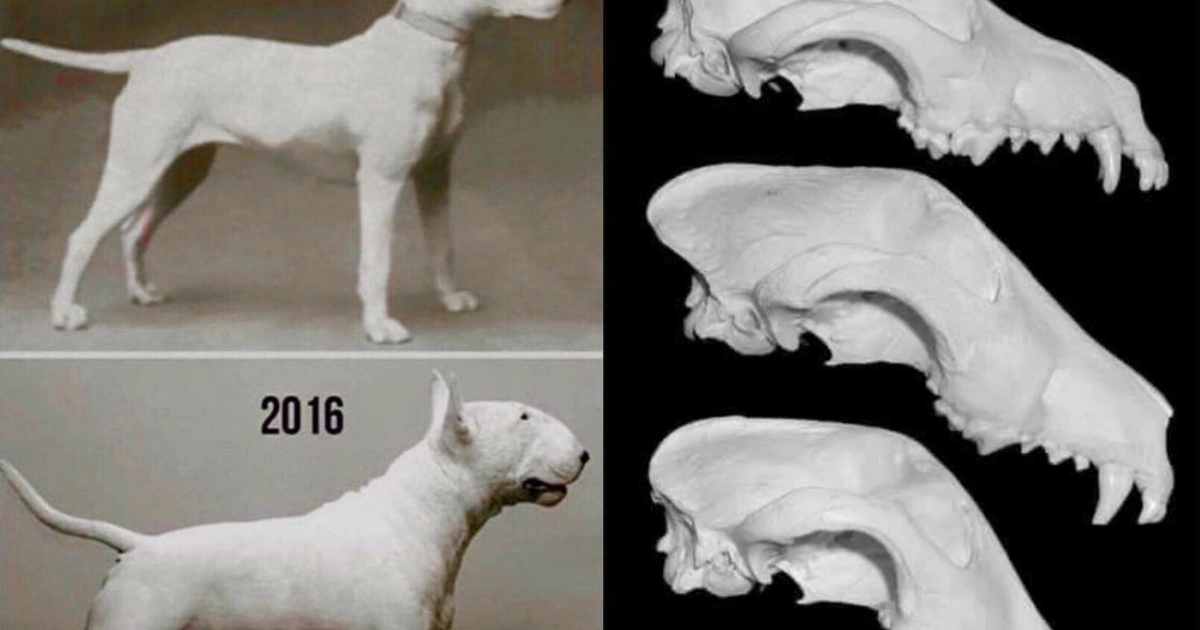
Dogs are among the most physically diverse mammals on Earth. From the long, narrow muzzle of a Greyhound to the compact face of a Bulldog, centuries of selective breeding have dramatically altered canine anatomy. One of the most noticeable changes can be seen in the shape of the skull, particularly the length and structure of the muzzle.
While these changes have helped create the wide variety of dog breeds we know today, they have also raised important questions about health, function, and responsible breeding practices.
Primary Keyword: dog skull evolution
Understanding Dog Skull Evolution
Modern dogs (Canis lupus familiaris) descended from wolves thousands of years ago. Over generations, humans selectively bred dogs for specific traits such as hunting ability, guarding instincts, companionship, appearance, and working performance.
Unlike natural evolution, which is driven by environmental pressures, selective breeding allows humans to favor particular physical characteristics. As a result, many breeds have developed skull shapes that differ significantly from their ancestors.
Dog skull evolution is therefore a combination of natural adaptation and human-directed breeding.
The Three Main Dog Skull Types
Canine skulls are commonly grouped into three categories.
Dolichocephalic (Long-Snouted)
Breeds with long, narrow skulls include:
- Greyhound
- Borzoi
- Afghan Hound
- Collie
Characteristics:
- Extended muzzle
- Narrow head shape
- Large nasal passages
- Efficient airflow
These breeds often excel at endurance and scent detection.
Mesocephalic (Moderate-Snouted)
These breeds have balanced skull proportions.
Examples include:
- Labrador Retriever
- Beagle
- German Shepherd
- Golden Retriever
Characteristics:
- Moderate muzzle length
- Balanced facial structure
- Fewer breathing-related issues
Many veterinary specialists consider this shape closer to the natural canine form.
Brachycephalic (Short-Snouted)
Short-faced breeds include:
- Bulldog
- Pug
- French Bulldog
- Boston Terrier
Characteristics:
- Shortened muzzle
- Rounded skull
- Compressed facial anatomy
These breeds have become increasingly popular, but their distinctive appearance can be associated with health concerns.
How Selective Breeding Changed Canine Anatomy
Over the last century, breed standards have influenced the appearance of many dogs.
In some breeds, breeders favored:
- Shorter muzzles
- Larger eyes
- Rounder heads
- More compact facial features
As these traits became desirable in show rings and breeding programs, they became increasingly common within certain populations.
The result is a noticeable shift in skull shape compared with earlier examples of the same breeds.
The Functional Role of a Longer Muzzle
A longer muzzle provides more than just a different appearance.
Improved Airflow
Longer nasal passages help:
- Cool inhaled air
- Improve oxygen intake
- Support efficient breathing
Better Temperature Regulation
Dogs regulate body temperature largely through panting.
A longer snout provides greater surface area for heat exchange, helping dogs cool themselves more effectively.
Dental Space
Extended jaws provide more room for teeth, reducing overcrowding and certain dental problems.
The Rise of Short-Snouted Breeds
Many brachycephalic breeds became increasingly popular because of their distinctive appearance and companion-friendly personalities.
Owners are often attracted to:
- Large expressive eyes
- Rounded faces
- Infant-like features
- Compact size
These characteristics can trigger nurturing responses in humans, contributing to their popularity.
However, appearance alone does not always reflect functional health.
Health Challenges Associated With Extreme Skull Shapes
Veterinary researchers have identified several health concerns linked to extreme brachycephalic anatomy.
Breathing Difficulties
Shortened skull structures may contribute to:
- Narrow nostrils
- Elongated soft palate
- Restricted airways
These factors can make breathing more difficult, especially during exercise or hot weather.
Heat Sensitivity
Because cooling depends heavily on airflow through the nasal passages, some short-faced breeds may be more vulnerable to overheating.
Dental Crowding
A shortened jaw may result in:
- Overlapping teeth
- Increased tartar buildup
- Higher risk of periodontal disease
Eye Problems
Prominent eyes may be more susceptible to:
- Injury
- Dryness
- Corneal ulcers
These issues vary significantly between individuals and breeds.
What Modern Research Says
Scientists studying canine anatomy increasingly emphasize the importance of balancing appearance with function.
Recent research highlights the need for breeding programs that prioritize:
- Respiratory health
- Skeletal structure
- Mobility
- Longevity
- Overall welfare
Many breed organizations and veterinary groups now advocate for healthier breed standards that reduce the risk of inherited anatomical problems.
Why Genetic Diversity Matters
Healthy breeding programs focus on more than appearance.
Genetic diversity helps support:
- Disease resistance
- Reproductive health
- Structural soundness
- Long-term population stability
Responsible breeding seeks to maintain breed characteristics while minimizing avoidable health issues.
The Future of Dog Breeding
There is growing awareness among breeders, veterinarians, and dog owners that physical traits should not compromise quality of life.
Many organizations are encouraging breeding practices that emphasize:
- Functional breathing
- Healthy movement
- Sound anatomy
- Reduced inherited disease risk
The goal is not to eliminate breed diversity but to ensure that dogs can live comfortable and healthy lives.
Dog Skull Evolution and Human Influence
Few animals demonstrate the impact of human selection as clearly as dogs.
Within a relatively short evolutionary timeframe, humans have shaped an extraordinary range of body types, coat patterns, sizes, and skull structures.
This diversity is a testament to the strong relationship between people and dogs, but it also carries a responsibility to prioritize animal welfare.
Understanding dog skull evolution helps owners appreciate both the remarkable adaptability of dogs and the importance of responsible breeding decisions.
Frequently Asked Questions
Why do some dog breeds have shorter snouts?
Shorter snouts developed through selective breeding, as humans favored specific facial features over many generations.
Are long-snouted dogs healthier than short-snouted dogs?
Not necessarily in every case, but longer muzzles generally provide anatomical advantages for breathing, cooling, and dental alignment.
What is a brachycephalic dog?
A brachycephalic dog is a breed with a shortened skull and muzzle, such as a Bulldog, Pug, or French Bulldog.
Can short-snouted dogs live healthy lives?
Many do. However, some individuals may experience breathing, eye, or dental issues related to their skull structure and should receive regular veterinary care.
Why is canine skull diversity so extreme?
Thousands of years of selective breeding for different functions and appearances have produced greater skull variation in dogs than in almost any other domesticated species.
Conclusion
The story of dog skull evolution is a fascinating example of how human preferences can shape animal anatomy over time. Selective breeding has created an extraordinary range of canine appearances, from long-faced sighthounds to compact brachycephalic companions.
While this diversity is one of the reasons dogs are so beloved worldwide, modern understanding increasingly emphasizes the importance of balancing appearance with health and function. By supporting responsible breeding practices and prioritizing canine welfare, dog lovers can help ensure that future generations enjoy both the beauty and well-being of these remarkable animals.
Suggested Internal Links for SecretsoftheGreenGarden.com
Consider linking to related articles using anchor text such as:
- 6 Fascinating Facts About Dogs Backed by Science
- Why Dogs Eat Grass and What It Means
- How Dogs Understand Human Emotions
Suggested External Resources
For evidence-based information, consider referencing:
- American Veterinary Medical Association Dog Health Resources
- Royal Veterinary College Research on Canine Health
- National Institutes of Health Animal Genetics Research
Related Keywords: canine anatomy, dog breeds, brachycephalic dogs, canine evolution, selective breeding, dog health, skull morphology, veterinary science, genetic diversity in dogs.