
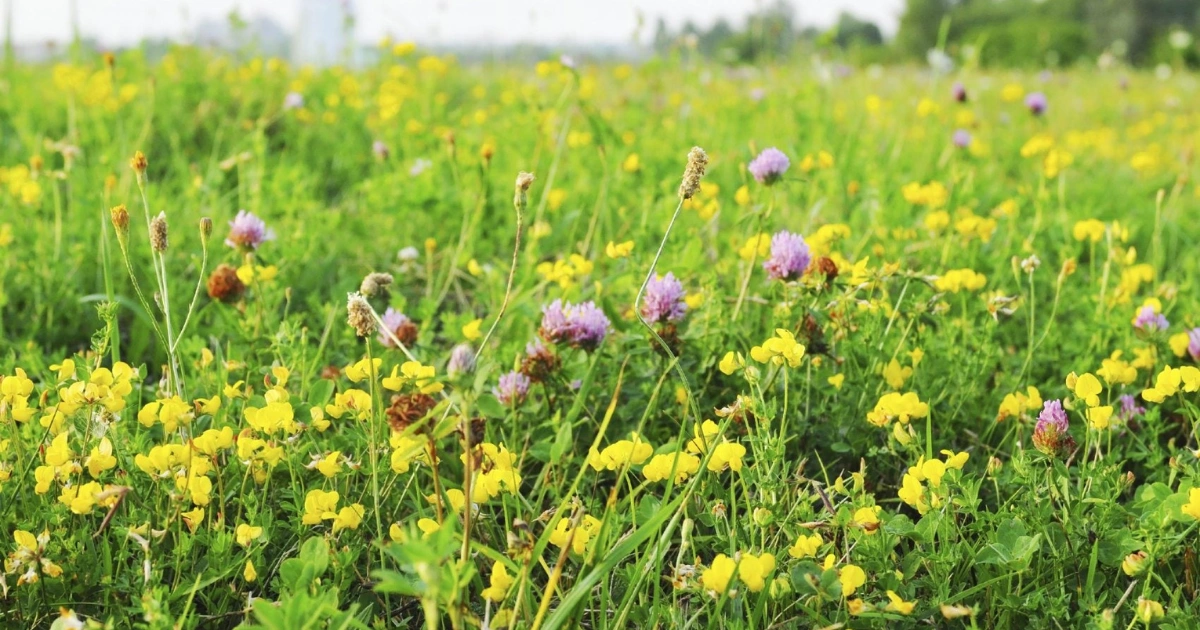
For decades, the traditional green lawn has been considered the standard for residential landscapes. While neatly trimmed turf can look attractive, many homeowners are now discovering that converting part of their lawn into a native meadow offers significant environmental, economic, and ecological benefits.
A growing number of gardeners are replacing sections of conventional grass with diverse plantings of native wildflowers and grasses. The result is often a landscape that requires less maintenance, supports more wildlife, and provides year-round visual interest.
This guide explores how a lawn-to-meadow transformation works, what benefits it can provide, and what homeowners should realistically expect during the process.
Primary Keyword: lawn to meadow transformation
Why More Homeowners Are Replacing Traditional Lawns
Conventional lawns often require regular mowing, irrigation, fertilization, and weed control to maintain a uniform appearance. While they serve certain purposes, large expanses of turfgrass generally provide limited habitat value for wildlife.
In contrast, native meadows support a wide variety of beneficial organisms, including:
- Pollinators
- Songbirds
- Butterflies
- Native bees
- Beneficial insects
- Small mammals
A lawn to meadow transformation can turn an underutilized area into a thriving ecosystem.
What Is a Meadow Garden?
A meadow garden is a planting designed to mimic natural grassland ecosystems. It typically combines native grasses with flowering plants that bloom throughout the growing season.
Unlike formal flower beds, meadow plantings are intended to look natural and dynamic.
Common meadow plants may include:
- Coneflowers
- Black-eyed Susans
- Bee balm
- Goldenrod
- Native asters
- Milkweed
- Switchgrass
- Little bluestem
The specific species should always be selected based on local climate and regional ecology.
The Environmental Benefits of a Lawn to Meadow Transformation
1. Increased Pollinator Habitat
One of the most important benefits of meadow creation is supporting pollinators.
Many pollinator populations face pressure from:
- Habitat loss
- Urban development
- Pesticide exposure
- Reduced floral diversity
Native flowering plants provide essential nectar and pollen resources throughout the growing season.
2. Greater Biodiversity
Traditional turfgrass typically supports relatively few species.
A diverse meadow can attract:
- Native bees
- Butterflies
- Moths
- Beetles
- Birds
- Amphibians
Higher biodiversity contributes to healthier and more resilient ecosystems.
3. Reduced Water Use
Once established, many native meadow plants are remarkably drought tolerant.
Deep root systems allow these plants to access moisture far below the soil surface, reducing the need for supplemental irrigation.
In many regions, established meadows require significantly less water than conventional lawns.
4. Improved Soil Health
Native plants often develop extensive root systems that:
- Reduce soil erosion
- Improve soil structure
- Increase organic matter
- Enhance water infiltration
Healthy soil benefits both wildlife and surrounding plant communities.
The Typical Meadow Establishment Timeline
Many homeowners expect immediate results, but meadow creation is a long-term project.
Year 1: Establishment Phase
The first year can appear messy compared to a traditional lawn.
During this period:
- Seeds germinate
- Root systems develop
- Young plants compete with weeds
- Growth focuses below ground
Many native perennials invest heavily in root development before producing abundant flowers.
Year 2: Expansion Phase
During the second growing season, the landscape begins to change dramatically.
Homeowners often notice:
- Increased flowering
- Greater plant diversity
- More pollinator activity
- Improved visual density
This is typically when the meadow starts to resemble the vision shown on seed package photographs.
Year 3 and Beyond
Most native meadows continue improving for several years.
As plants mature, the habitat becomes increasingly stable and self-sustaining.
Maintenance Requirements Compared to Traditional Lawns
One reason many people consider meadow conversion is reduced maintenance.
Traditional Lawn Maintenance
A conventional lawn may require:
- Weekly mowing
- Seasonal fertilization
- Irrigation
- Weed treatments
- Pest management
Meadow Maintenance
Once established, meadow areas often require:
- Occasional invasive plant removal
- Annual or periodic mowing
- Monitoring for undesirable species
Maintenance needs vary by region, but many meadow systems require substantially less ongoing work than turfgrass.
Common Wildlife Visitors to Meadow Gardens
A successful lawn to meadow transformation often attracts an impressive range of wildlife.
Pollinators
Flower-rich meadows support:
- Native bees
- Bumblebees
- Butterflies
- Hoverflies
These insects play critical roles in plant reproduction.
Birds
Seed-producing plants provide valuable food sources for many bird species.
Meadows may attract:
- Goldfinches
- Sparrows
- Wrens
- Migratory songbirds
Beneficial Insects
Predatory insects help control pest populations naturally.
Examples include:
- Lady beetles
- Lacewings
- Ground beetles
- Parasitic wasps
Potential Challenges of Meadow Conversion
Although the benefits are significant, homeowners should be aware of potential obstacles.
Patience Is Required
Meadows rarely achieve their full appearance during the first growing season.
The process takes time.
Local Regulations
Some municipalities have landscaping ordinances that regulate vegetation height.
Always check local requirements before beginning a project.
Weed Management
Early-stage weed control is often the most important maintenance task during establishment.
Proper site preparation greatly improves success rates.
How to Start a Lawn to Meadow Transformation
Step 1: Evaluate the Site
Consider:
- Sun exposure
- Soil conditions
- Drainage
- Existing vegetation
Step 2: Choose Native Species
Native plants generally provide the greatest ecological benefits.
Select species adapted to your region’s climate and soil.
Step 3: Prepare the Ground
Removing existing turf is often necessary for successful seed establishment.
Common methods include:
- Sheet mulching
- Solarization
- Sod removal
- Repeated shallow cultivation
Step 4: Sow Seeds or Plant Plugs
Both approaches can be successful.
Seed is often less expensive, while plugs provide faster visual results.
Step 5: Manage During Establishment
Monitor the area regularly during the first two years and remove problematic weeds before they spread.
Frequently Asked Questions
How long does a lawn to meadow transformation take?
Most meadow projects require two to three years before reaching their full visual potential. Significant improvements often become noticeable during the second growing season.
Does a meadow require less mowing?
Yes. Many established meadows require only one annual mowing or periodic maintenance cuts, depending on local conditions and management goals.
Are meadows better for pollinators than lawns?
In general, native meadows provide substantially more nectar, pollen, shelter, and breeding habitat for pollinators than conventional turfgrass.
Can I convert only part of my lawn?
Absolutely. Many homeowners begin with a small section and expand gradually as they gain experience.
Do meadow gardens attract unwanted pests?
Healthy meadows typically support balanced ecosystems that include both predators and prey. Increased biodiversity often improves natural pest control rather than creating problems.
Conclusion
A lawn to meadow transformation is more than a landscaping trend. It represents a shift toward creating outdoor spaces that support biodiversity, conserve resources, and provide long-term ecological value.
While the process requires patience during the establishment phase, the rewards can be substantial. Native meadows often reduce maintenance demands, improve habitat quality, attract pollinators, and create beautiful seasonal displays that change throughout the year.
For homeowners seeking a more sustainable landscape, replacing even a portion of traditional turf with native meadow plants can make a meaningful difference for local wildlife and the environment.
Suggested Internal Links for SecretsoftheGreenGarden.com
Consider linking to related articles using anchor text such as:
- Best Native Flowers for Pollinators
- How to Create a Wildlife-Friendly Backyard
- Why Bees and Butterflies Need Native Plants
Suggested External Resources
For additional guidance and research-based information, consider referencing:
- U.S. Forest Service Native Plant Resources
- Xerces Society for Pollinator Conservation
- Lady Bird Johnson Wildflower Center at The University of Texas at Austin
Related Keywords: native meadow garden, pollinator habitat, wildlife-friendly landscaping, native plants, sustainable gardening, meadow restoration, lawn alternatives, biodiversity gardening.